5 Common Home Defects Found During Montreal Home Inspections

When you are buying, selling, or maintaining a home in the Greater Montreal area, understanding common property issues can help you plan with more confidence.

At Mose Home Inspection, our goal is to help homeowners, buyers, and sellers better understand the visible condition of a property so they can make informed decisions, prioritize maintenance, and plan future repairs with clarity.

After reviewing recurring observations from residential inspections in the Montreal area, our team identified several common defects that appear frequently in local homes. These issues are often manageable when addressed early, but they can become more costly when left unattended.
Below are five common home defects, why they matter, and what homeowners can do next.

Repair Cost Guide

To make the list easier to understand, we’ve included a general cost guide:

$ = Budget-friendly

Usually under $1,000

$$ = Moderate

Often between $2,000 and $10,000

$$$ = Major expense

Often $10,000 or more

These are general ranges only. Actual costs can vary based on the property, materials, accessibility, labour, and the extent of the work required.
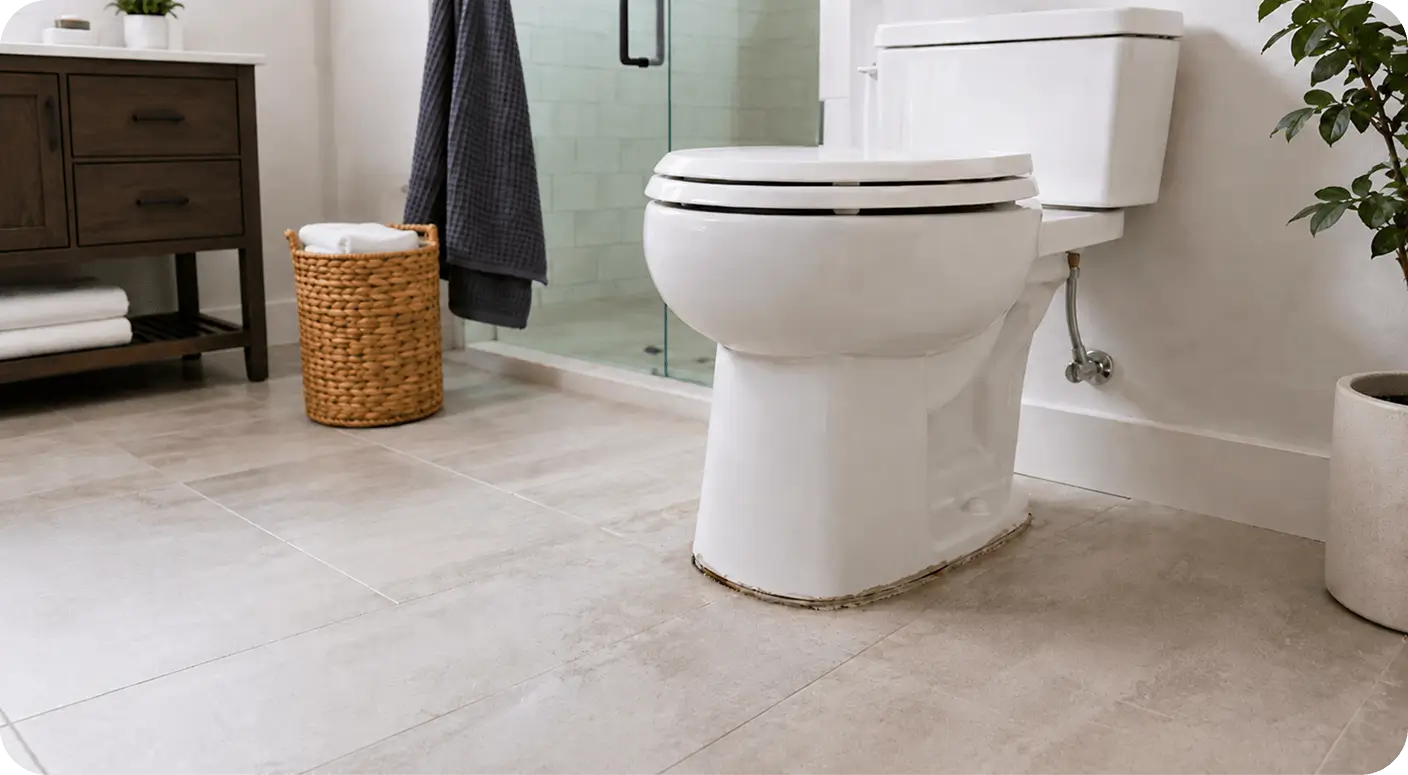
1. Missing Caulking Around the Toilet Base

Frequency: Found in 39% of inspections

Estimated Cost: $

Why It Matters

Missing caulking around the toilet base may seem minor, but it can allow bathroom moisture to reach the flooring or subfloor around the toilet. Over time, this may contribute to deterioration of finishes or materials near the base.
Proper caulking helps protect the surrounding floor area from moisture exposure during normal bathroom use.

What Homeowners Can Do

Missing caulking around the toilet base may seem minor, but it can allow bathroom moisture to reach the flooring or subfloor around the toilet. Over time, this may contribute to deterioration of finishes or materials near the base.
Proper caulking helps protect the surrounding floor area from moisture exposure during normal bathroom use.

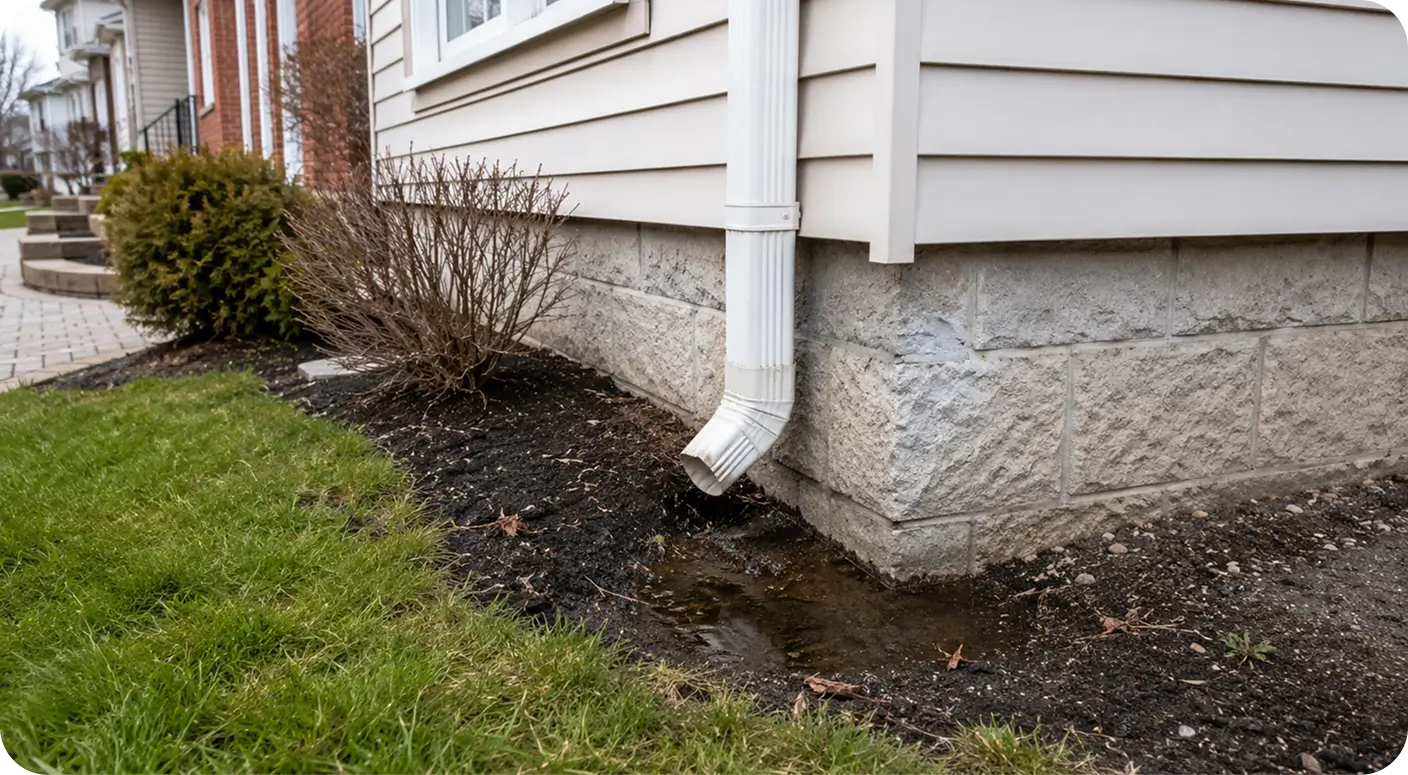
2. Downspouts Discharging Too Close to the Foundation

Frequency: Found in 39% of inspections

Estimated Cost: $

Why It Matters

In Quebec, roof drainage systems manage large amounts of water from rain, snowmelt, and spring thaw. When downspouts discharge too close to the foundation, water can collect near the base of the home.

Over time, this may increase the risk of basement moisture, foundation stress, and water infiltration concerns.

This is especially important in Montreal, where freeze-thaw cycles can affect soil conditions and exterior drainage performance.

What Homeowners Can Do

Downspouts should generally extend at least 6 feet, or approximately 2 metres, away from the foundation when possible.

A shorter extension may be acceptable if the water discharges onto a hard, sloped surface, such as asphalt or concrete, where it naturally drains away from the building.

Homeowners should also check that the grading around the property slopes away from the foundation. Simple exterior drainage improvements can often help reduce moisture around the home and support better long-term maintenance.

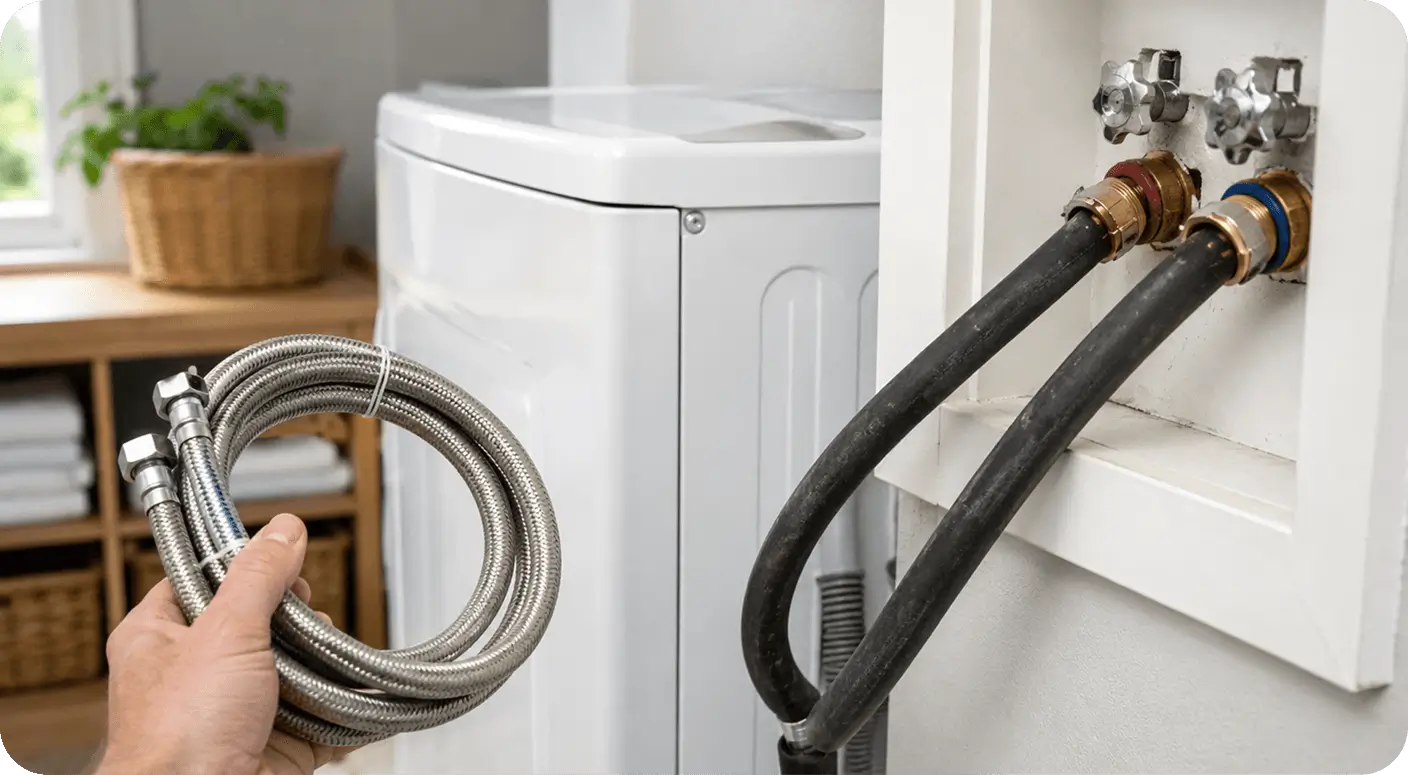
3. Standard Rubber Washing Machine Water Hoses

Frequency: Found in 36% of inspections

Estimated Cost: $

Why It Matters

Standard rubber washing machine hoses can deteriorate over time because they remain under constant water pressure. As they age, they may become brittle, blistered, cracked, or more vulnerable to failure.

Washing machine supply hoses are a common source of preventable water damage in residential properties, especially when older hoses remain in use for many years.

What Homeowners Can Do

Replacing standard rubber hoses with high-quality braided stainless steel hoses is a simple and affordable maintenance upgrade.

Braided stainless steel hoses are generally more resistant to kinks and pressure-related wear. Homeowners should also inspect hoses regularly and replace them if there are signs of bulging, cracking, corrosion, or wear.

As an additional maintenance habit, consider turning off the washing machine water supply valves when the appliance is not in use for extended periods.

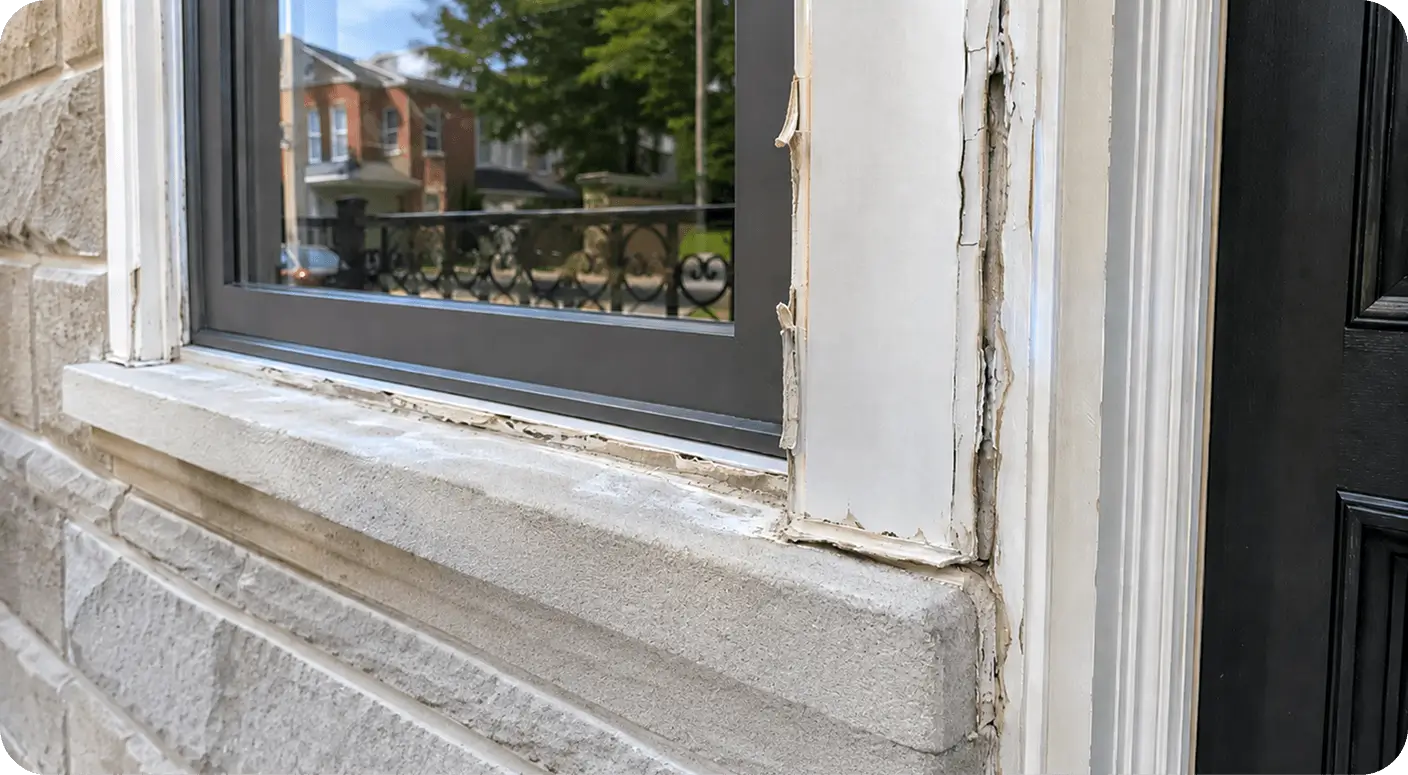
4. Deteriorated Caulking Around Windows and Doors

Frequency: Found in 34% of inspections

Estimated Cost: $–$$

Why It Matters

Exterior caulking plays an important role in helping protect the building envelope around windows and doors. In Quebec’s climate, caulking is exposed to UV rays, rain, snow, ice, and repeated freeze-thaw cycles.

Over time, exterior caulking can harden, shrink, crack, or pull away from the surrounding surfaces. When this happens, moisture may reach areas around the window or door openings and contribute to material deterioration.

What Homeowners Can Do

A caulking gun is one of the most useful tools for regular home maintenance, but the preparation is just as important as the application.
For a proper repair, old and deteriorated caulking should be removed before new exterior-grade sealant is applied. The surface should be cleaned, dried, and prepared so the new sealant can adhere properly.

Applying new caulking directly over old material is not recommended because the joint may fail sooner.

Homeowners should visually review caulking around windows, doors, wall penetrations, and exterior joints at least once a year, especially after winter.

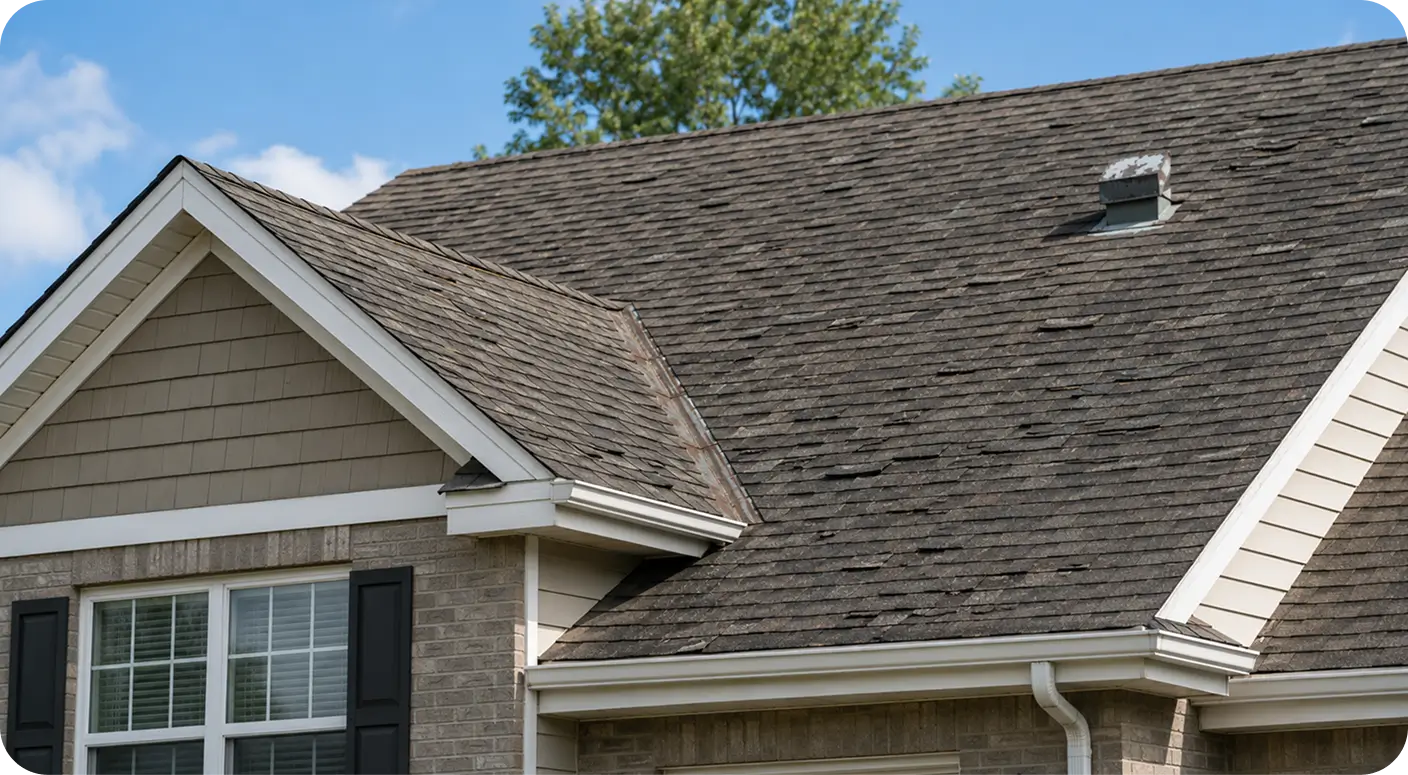
5. Roof Covering Near or Past Its Expected Lifespan

Frequency: Found in 33% of inspections

Estimated Cost: $$–$$$

Why It Matters

The roof covering is one of the home’s main lines of protection against water entry. As roofing materials age, they can lose performance and become more vulnerable to weather-related wear.

For asphalt shingles, common visible signs of aging may include curling edges, cracking, missing granules, damaged flashing, or lifted shingles.
When roof covering issues are addressed early, homeowners may be able to plan repairs or replacement more strategically.

What Homeowners Can Do

Roofing materials vary widely in expected lifespan.

Standard asphalt shingles often last around 15 to 35 years, depending on material quality, installation, weather exposure, maintenance, and attic conditions.

Premium materials such as metal, slate, or copper can last much longer when properly installed and maintained.

When buying a home, it is helpful to ask the seller for:

  • The roof replacement date
  • The type of roofing material used
  • Warranty information
  • Installer details, if available
  • Documentation for previous roof repairs

During a home inspection, the inspector can review visible roof conditions from accessible and safe vantage points and note signs that may require maintenance, repair, or further evaluation by a roofing specialist.

Why These Common Defects Matter

Not every defect is urgent, and not every observation means a major repair is needed. However, these common issues are important because they can help homeowners understand where maintenance may be required.

In many cases, small improvements such as extending downspouts, replacing old washing machine hoses, or renewing exterior caulking can support better long-term property care.

For buyers, these observations help create a clearer picture of the home before purchase.

For sellers, addressing simple maintenance items before listing can help present the property more transparently.

For homeowners, regular maintenance can help protect the property and reduce avoidable repair costs over time.

The Role of a Professional Home Inspection

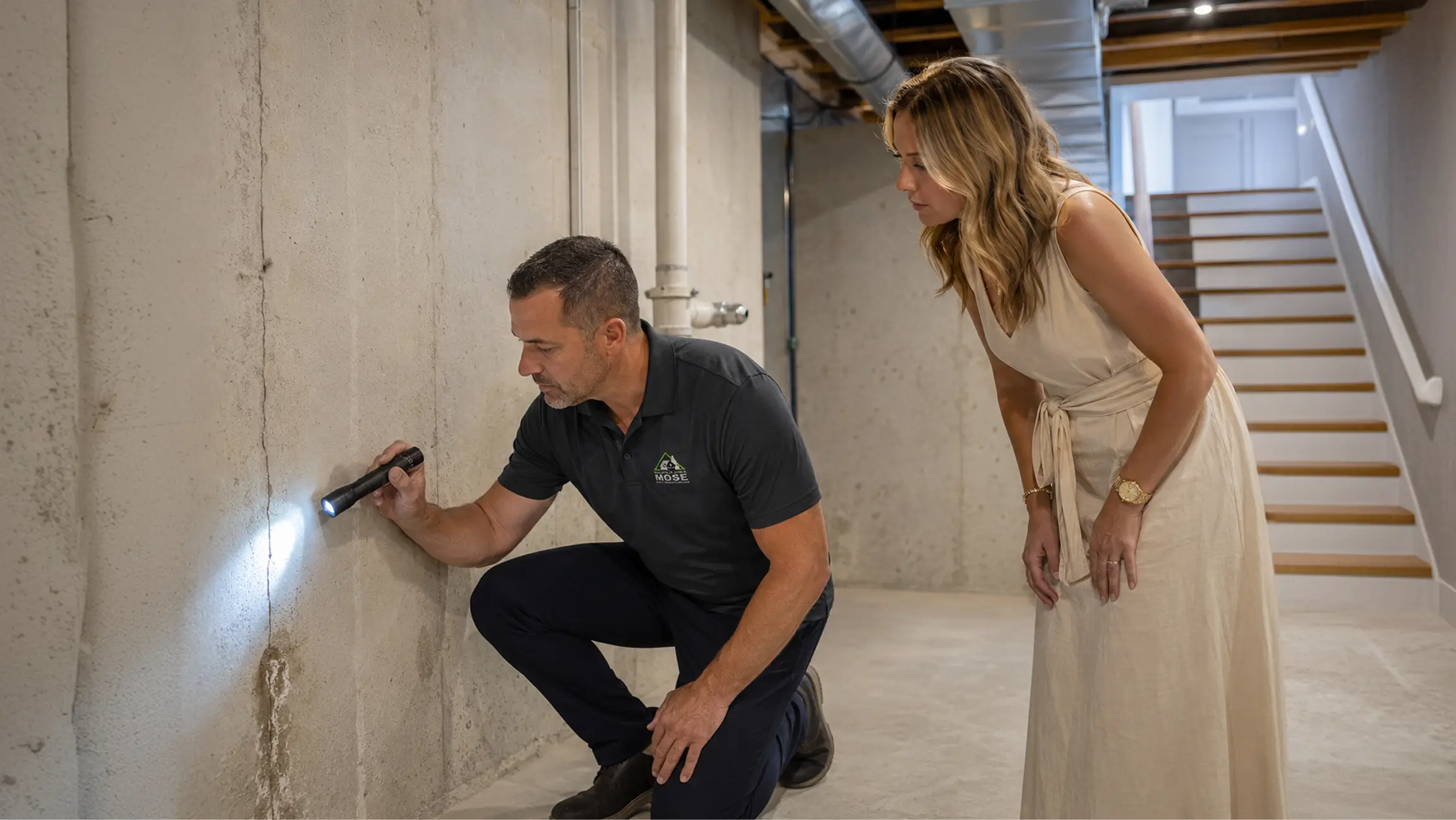
A professional home inspection is a visual, non-invasive evaluation of accessible components of the property. It helps identify visible defects, maintenance concerns, safety observations, and areas that may require further evaluation.

A home inspection does not replace specialist testing or destructive investigation, but it can provide valuable information about the property’s condition at the time of the inspection.
At Mose Home Inspection, our inspectors provide clear, objective reports designed to help clients understand what was observed, why it matters, and what next steps may be appropriate.
Book a Home Inspection in Montreal

Whether you are buying, selling, or planning maintenance, Mose Home Inspection can help you better understand the visible condition of your property.

online or contact our team to choose a convenient time.

Frequently Asked Questions (FAQ)

A standard pre-purchase or pre-listing home inspection is a visual, non-invasive evaluation of accessible components. Inspectors do not open finished walls, remove flooring, or dismantle building materials.
However, an experienced inspector can look for visible clues such as moisture staining, surface deterioration, unusual odours, damaged finishes, or elevated moisture readings where accessible.
When observations suggest a concern behind finished surfaces, the inspector may recommend further evaluation by a qualified specialist.

Montreal homes experience heavy rain, snow accumulation, spring thaw, and freeze-thaw cycles. When downspouts are too short or the grading slopes toward the home, water may collect near the foundation.
Improving drainage around the property can help reduce moisture exposure near the foundation and support better long-term maintenance.

From a safe vantage point, homeowners may notice visible signs such as curled shingles, missing granules, lifted edges, damaged flashing, or areas of uneven wear.
If asphalt shingles are approaching or past their expected lifespan, it is helpful to have the roof reviewed during a professional inspection or by a qualified roofing contractor.

No. Many common defects are relatively affordable to address when identified early. For example, replacing washing machine hoses, improving downspout extensions, or renewing caulking can often be completed at a modest cost.
More significant repairs, such as roof replacement or foundation-related work, may require larger budgets and specialist evaluation.

In many cases, addressing simple maintenance items before listing can help the property show better and reduce questions during the transaction.
A pre-listing inspection can help sellers understand which items may be worth addressing before the home goes on the market.

Insights & Tips for
Smart Homeowners