Burnt Toast Made You Disable Your Smoke Detector?

Ivan Mose
Founder and CEO, Certified
Master Inspector
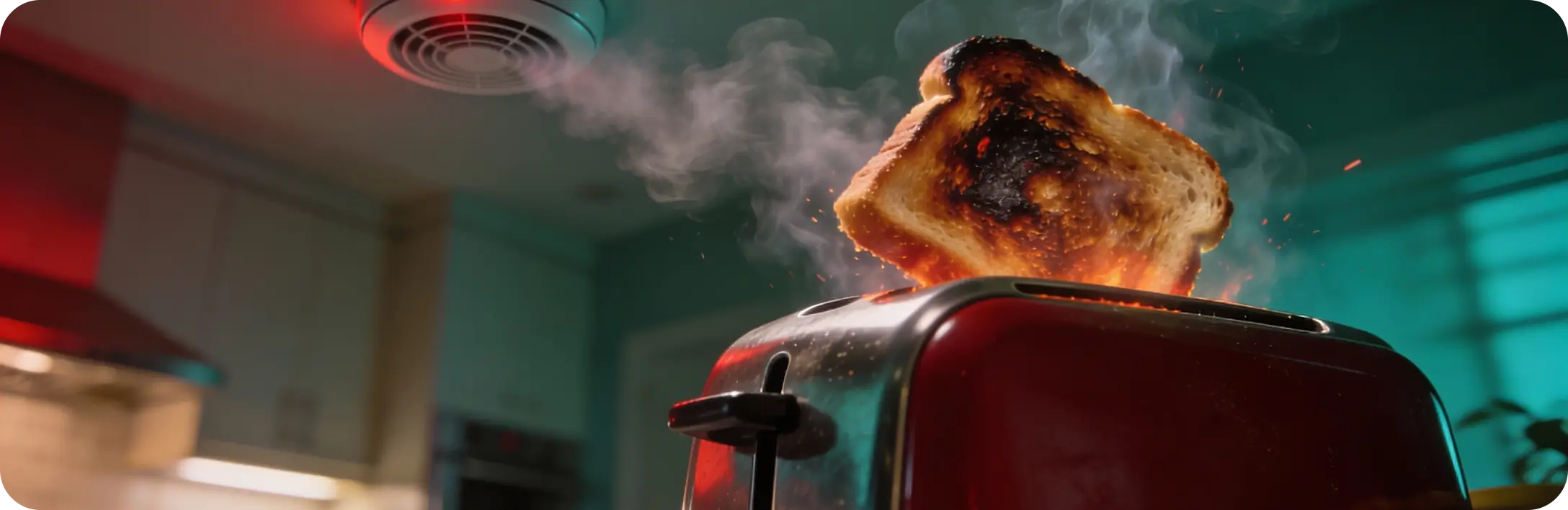
Burnt toast smoking out of a red toaster with a smoke detector visible on the ceiling above

You May Have the Wrong Type

Few things are more frustrating than a smoke detector that goes off every time you cook or burn toast. Unfortunately, this annoyance often leads homeowners to remove the batteries or disable the alarm altogether — a decision that significantly reduces home safety.

At Mose Home Inspection, we regularly encounter disabled or missing smoke detectors during residential inspections. In many cases, the issue isn’t homeowner negligence, but simply the wrong type of smoke detector installed in the wrong location.

Understanding how different smoke detectors work can help reduce nuisance alarms without compromising safety.
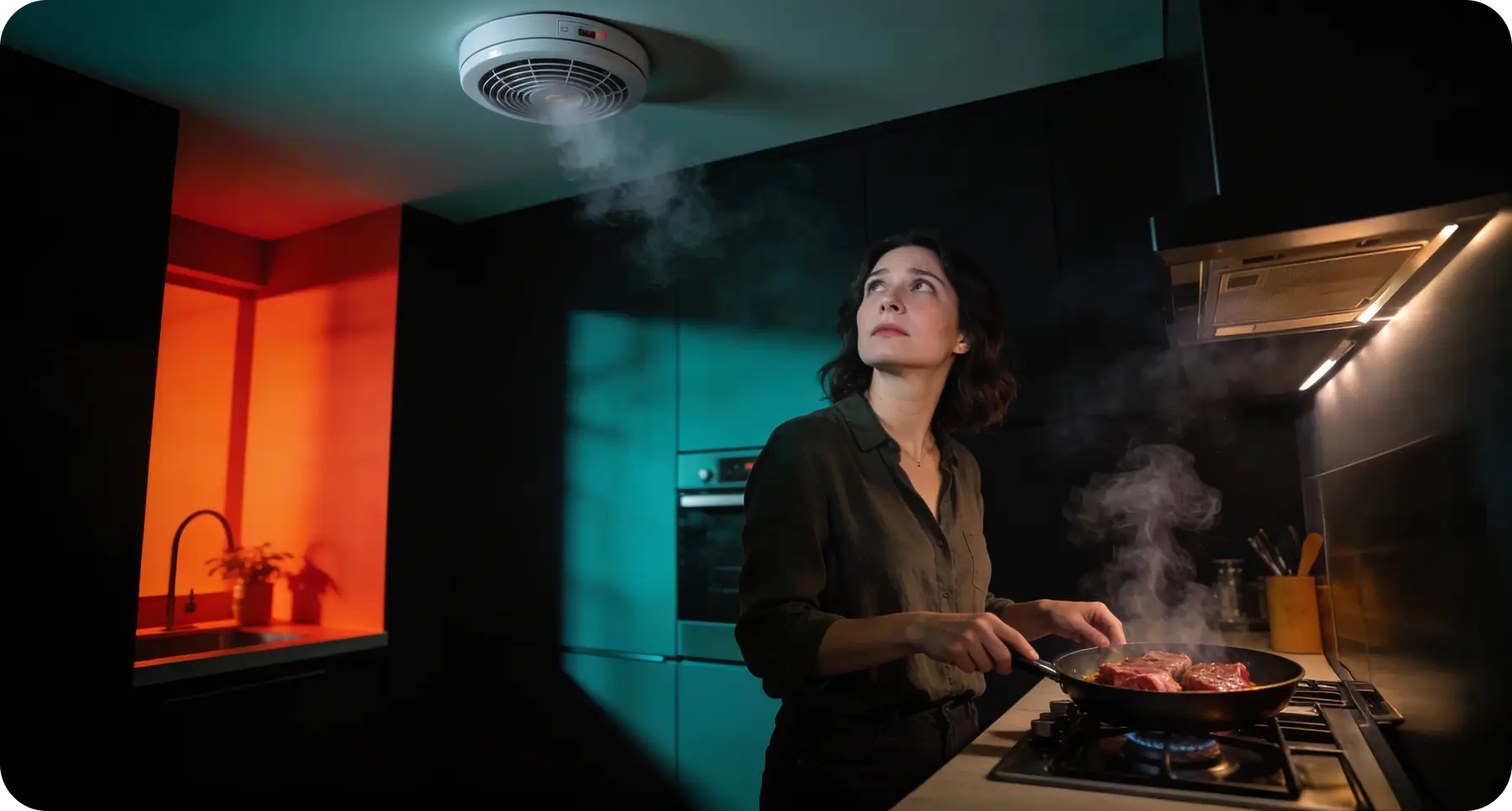
Woman cooking in a kitchen with smoke rising from a frying pan while looking up at the smoke detector on the ceiling
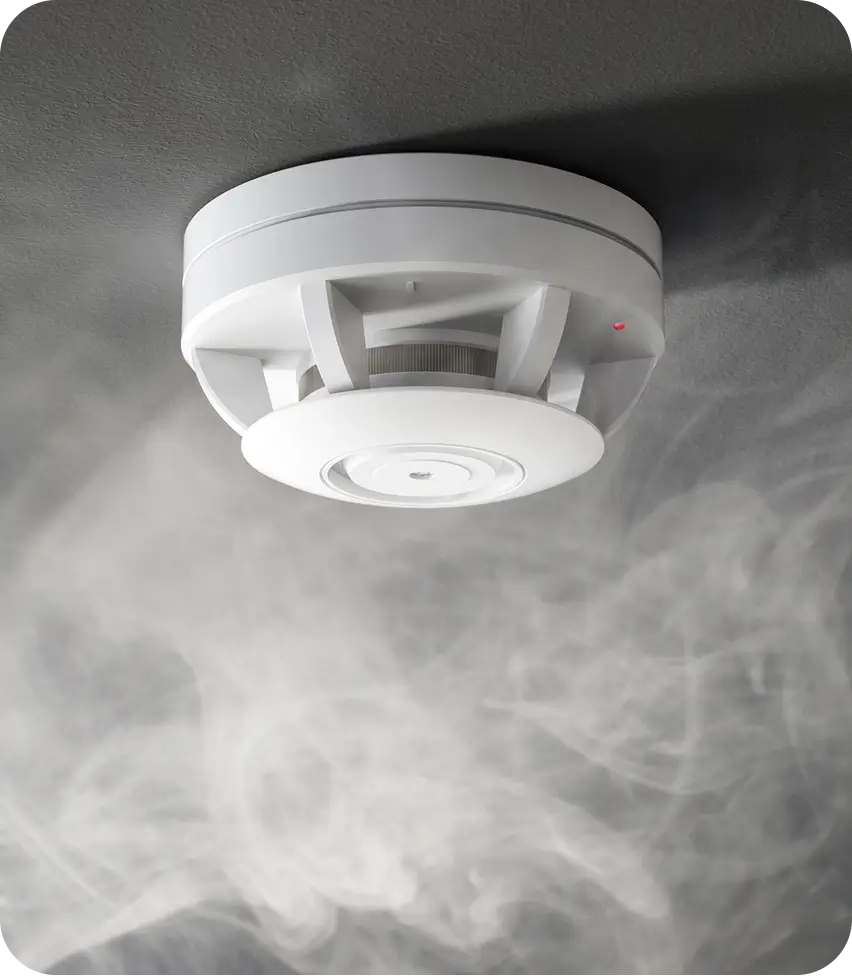
Close-up of a smoke detector mounted on a ceiling with smoke visible in the background

Why Smoke Detectors Go Off During Cooking

Smoke detectors are designed to sense airborne particles produced by combustion. Some types are especially sensitive to small particles, such as those generated by cooking, toasters, or ovens.

If your alarm frequently sounds while cooking, the solution is usually choosing the right detector technology, not disabling the alarm.
The 3 Main Types of Smoke Detectors in Residential Homes

1- Ionization Smoke Detectors

Ionization smoke alarms are the most common and affordable type found in many homes.

How they work

They contain a very small amount of radioactive material that ionizes the air between two electrically charged plates. When smoke enters the chamber, it disrupts the electrical current, triggering the alarm.

Pros

  • Fast response to flaming fires
  • Lower cost

Cons

  • Highly sensitive to cooking smoke
  • More prone to nuisance alarms

The amount of radioactive material used is extremely small and does not pose a health risk under normal use.

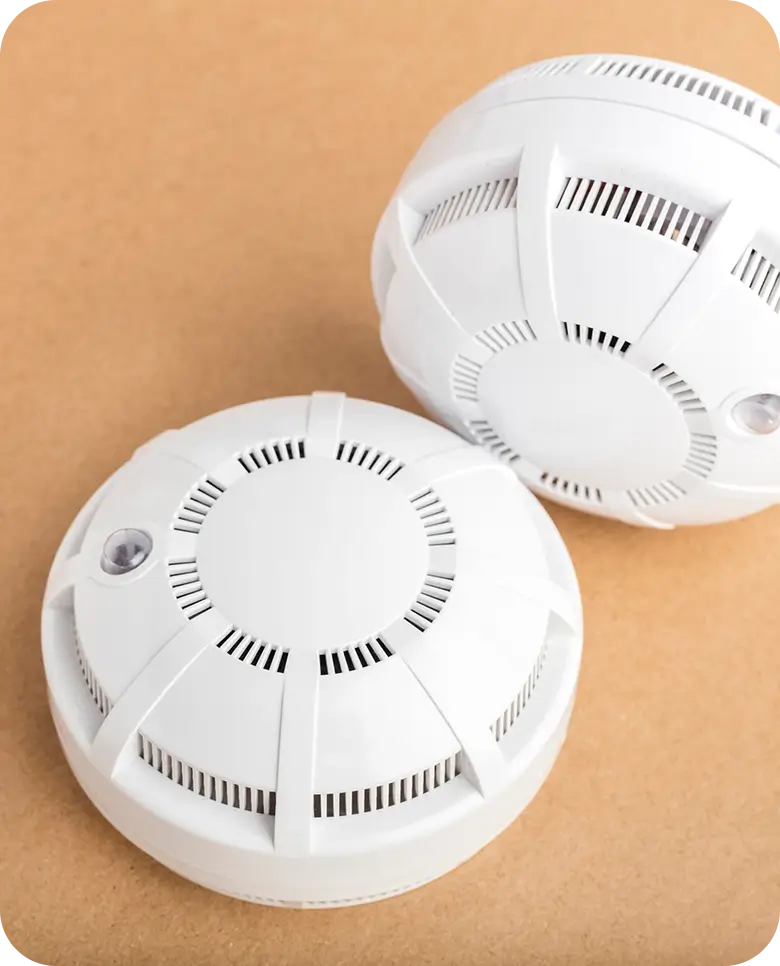
Three white smoke detectors viewed from above on a brown background
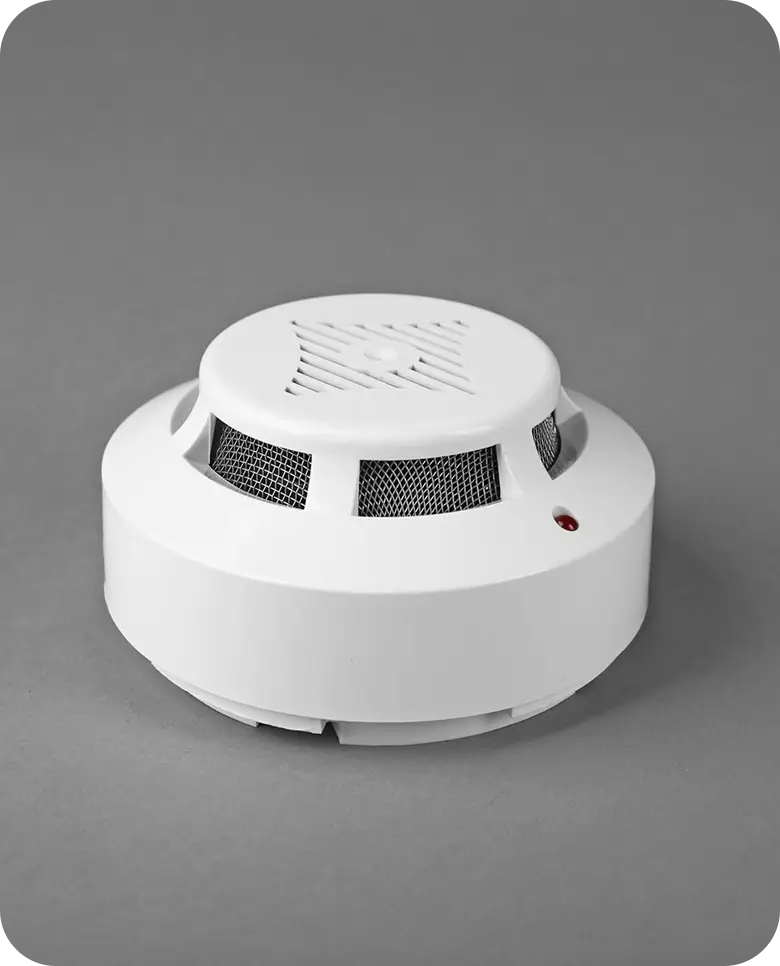
Close-up of a single white smoke detector on a grey background with a red LED indicator light

2- Photoelectric (Optical) Smoke Detectors

Photoelectric smoke alarms use a light beam to detect smoke particles.

How they work

When smoke enters the sensing chamber, the light is scattered toward a sensor, triggering the alarm.

Pros

  • Better at detecting slow, smoldering fires
  • Fewer false alarms from cooking
  • Often recommended near kitchens

Cons

  • Higher initial cost

3- Dual-Sensor Smoke Detectors

Dual-sensor alarms combine ionization and photoelectric technologies.

Pros

  • Detect both fast-flaming and slow-smoldering fires
  • More comprehensive residential protection

Cons

  • Higher cost

At Mose, dual-sensor alarms are often considered a well-balanced option for whole-home protection.

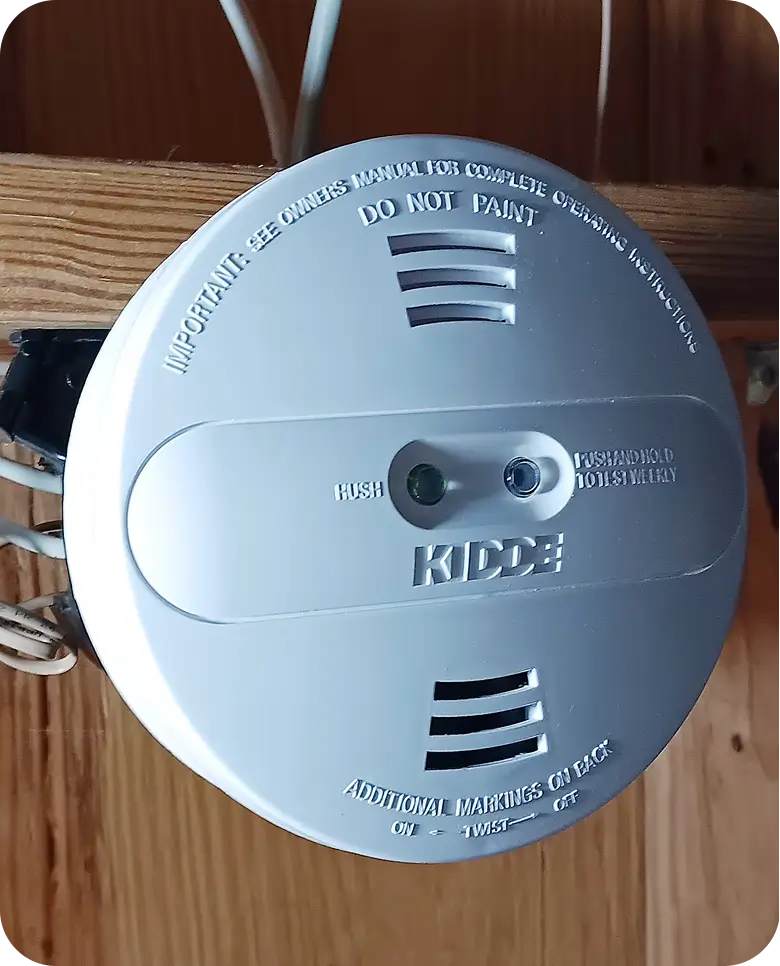
Close-up of the bottom of a Kidde smoke detector showing the Do Not Paint warning label and hush and test buttons
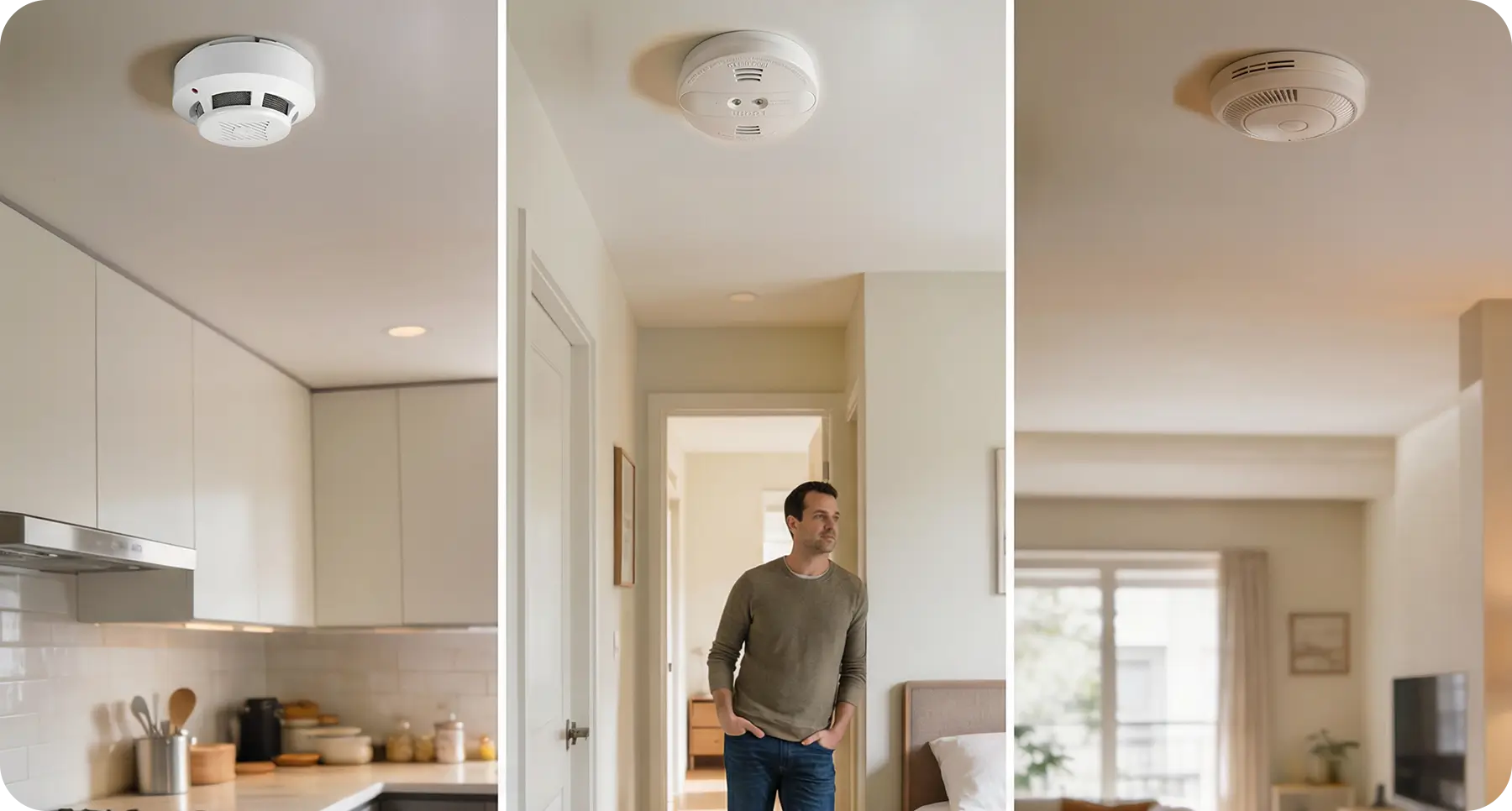
Three-panel collage of home interiors each showing a smoke detector mounted on the ceiling in a kitchen, hallway, and living area

Which Smoke Detector Is Best for Your Home? Which Smoke Detector Is Best for Your Home?

There is no single “perfect” alarm for every situation, but general guidance includes:

  • Near kitchens: Photoelectric smoke detectors
  • Bedrooms and hallways: Dual-sensor smoke detectors
  • Overall safety: Multiple alarms placed throughout the home

The key is the right detector in the right location, not disabling alarms.
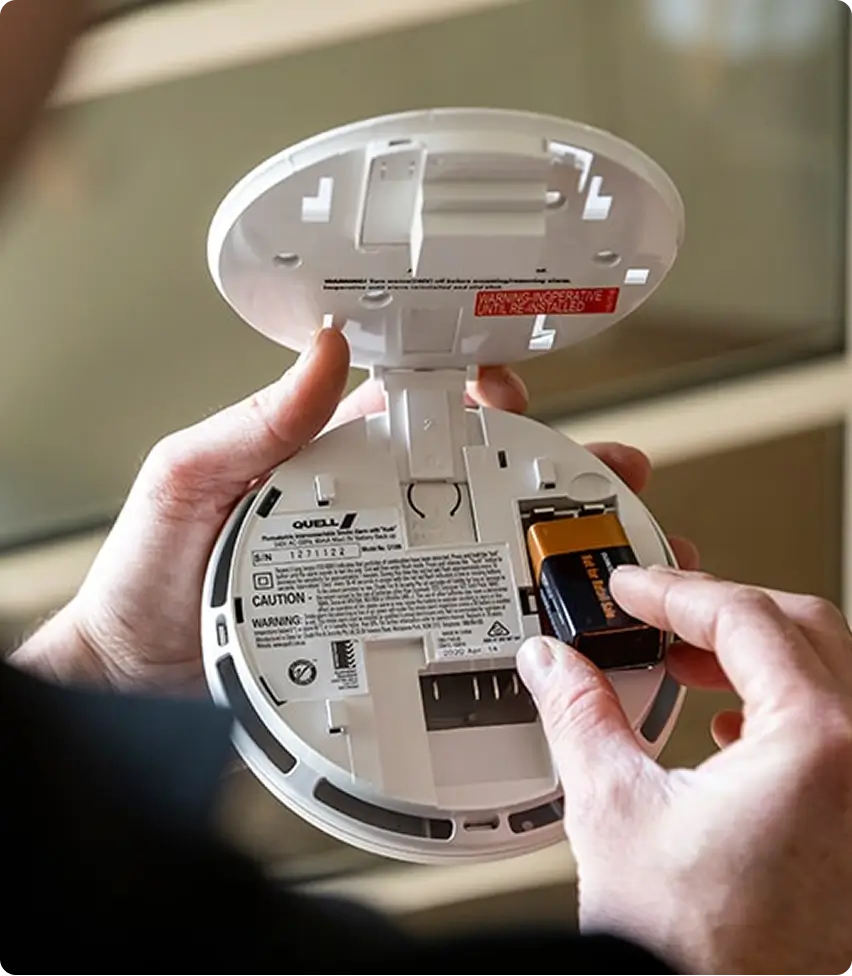
Hands replacing the 9-volt battery in a smoke detector with the battery compartment open

Why Disabling a Smoke Detector Is Dangerous

Removing batteries or disabling a smoke detector eliminates one of the most important safety systems in your home.
Smoke detectors are designed to:

  • Provide early warning
  • Allow time to evacuate
  • Reduce the risk of injury and property damage

Even a short period without a functioning alarm increases risk.

What Home Inspectors Look For

During a home inspection, Mose inspectors perform a visual, non-invasive assessment of smoke detectors.
Inspectors typically note:

  • Presence of required smoke detectors
  • General placement
  • Apparent condition and age
  • Signs of missing or disabled units

Inspectors do not test sensitivity levels or certify performance, but they document visible deficiencies.
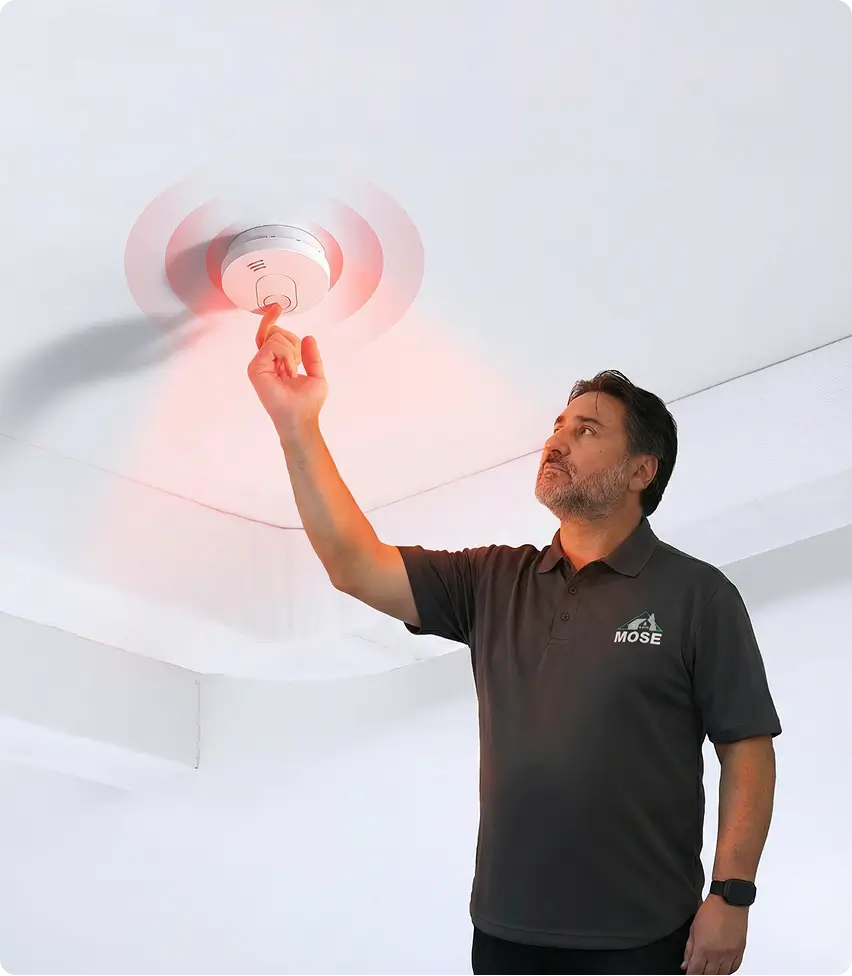
Man pressing the test button on a smoke detector mounted on the ceiling with red alarm waves radiating from it
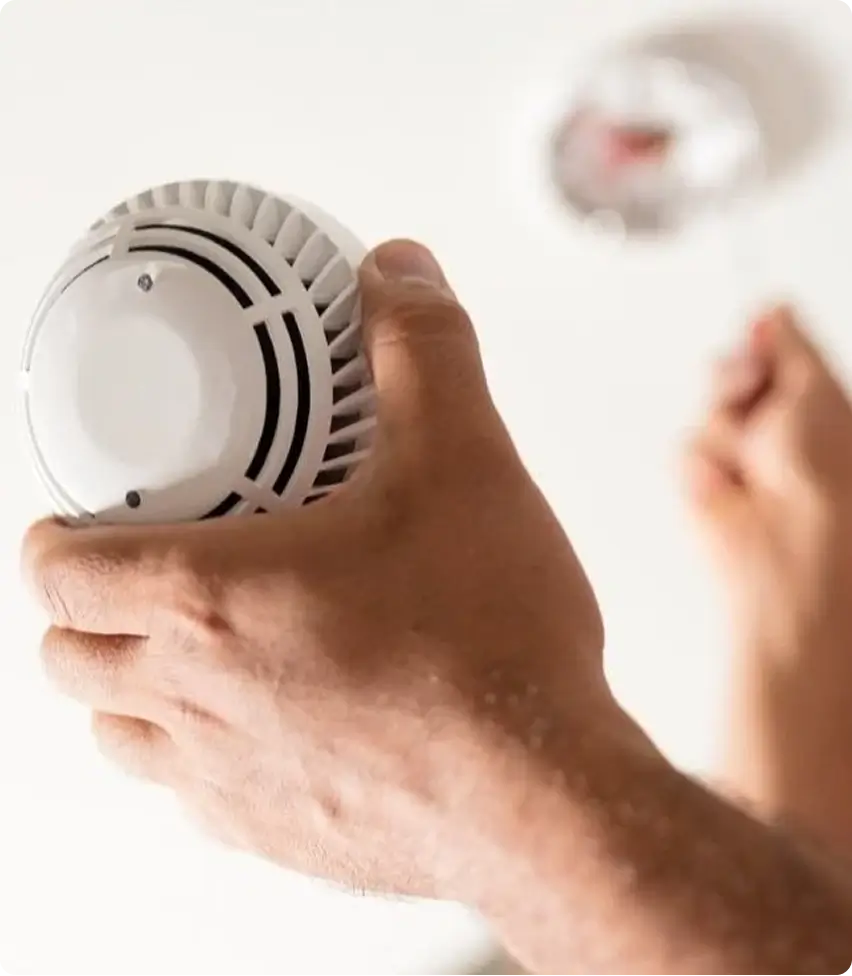
Hands holding a smoke detector being removed or installed from the ceiling

Maintenance Tips for Homeowners

  • Test smoke detectors regularly
  • Replace batteries at least once a year
  • Replace smoke detectors every 10 years
  • Keep alarms clean and free of dust
  • Never paint over a smoke detector

A good reminder: check your smoke detectors when you change the clocks.
Frequently Asked Questions (FAQ)

Some smoke detectors, especially ionization models, are very sensitive to small particles produced by cooking, which can lead to nuisance alarms.

No. Removing the batteries disables the alarm and significantly reduces fire safety in the home.

The three main types are ionization smoke detectors, photoelectric smoke detectors, and dual-sensor smoke detectors.

Photoelectric smoke detectors are generally less prone to nuisance alarms caused by cooking smoke.

Dual-sensor smoke detectors provide broader protection against different types of fires and are commonly recommended for homes.

Smoke detectors should be tested monthly and batteries checked or replaced at least once a year.

Most smoke detectors should be replaced every 10 years, even if they still appear to work.

Final Thoughts

If your smoke detector goes off every time you cook, the solution isn’t to disable it — it’s to choose the right type of alarm for the right location.
Understanding the differences between ionization, photoelectric, and dual-sensor smoke detectors allows you to reduce false alarms while maintaining proper home safety.

At Mose Home Inspection, our role is to help homeowners and buyers understand their home’s safety systems so they can make informed decisions.

for a clear, professional evaluation of your property.