
Spring Basement Leaks in Montreal: What Homeowners Should Check First

Ivan Mose
Founder and CEO, Certified
Master Inspector
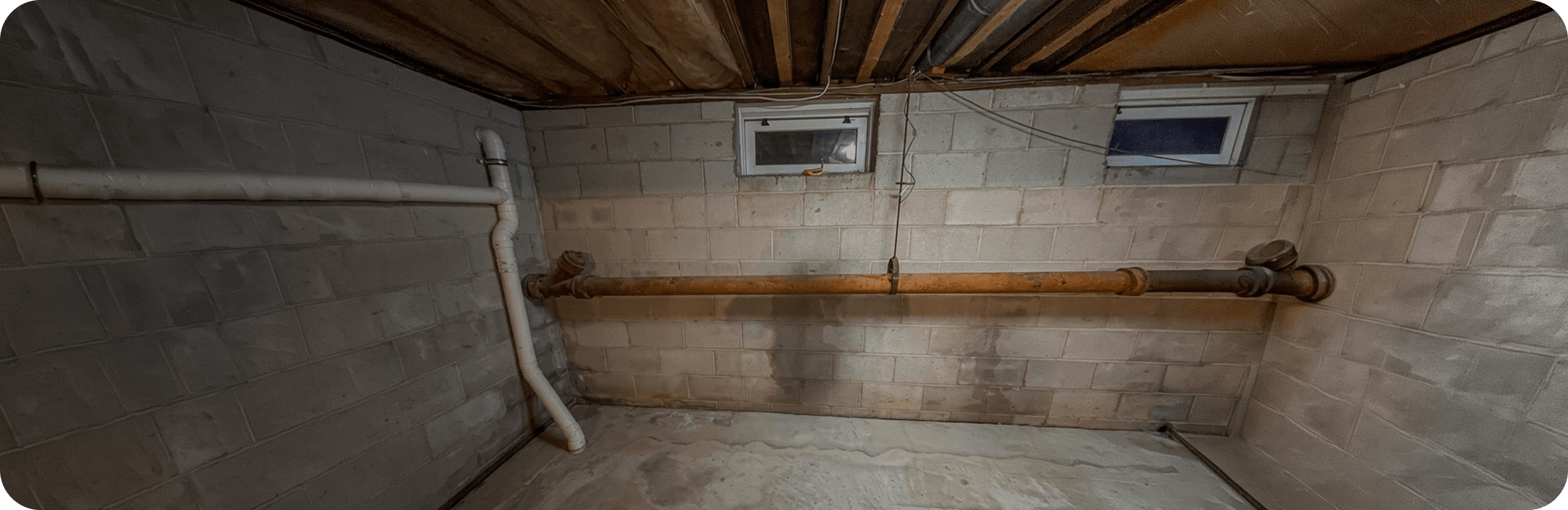
Spring in Montreal often brings more than melting snow and warmer temperatures. It also brings one of the most common seasonal concerns for homeowners: basement moisture.
If you notice a musty smell, dampness, or signs of moisture in the basement or crawl space during spring, it may be time to take a closer look at how water is moving around your home.
At Mose Home Inspection, we often remind homeowners that basement moisture problems are especially common during the spring thaw. As snow melts, the ground becomes saturated, surface drainage changes, and the risk of water collecting near the foundation increases.
The good news is that many spring basement issues can be better understood—and sometimes improved—by starting with the right exterior checks.
Why Basement Leaks Often Appear in Spring
Spring creates ideal conditions for moisture problems around the home.
As temperatures rise:
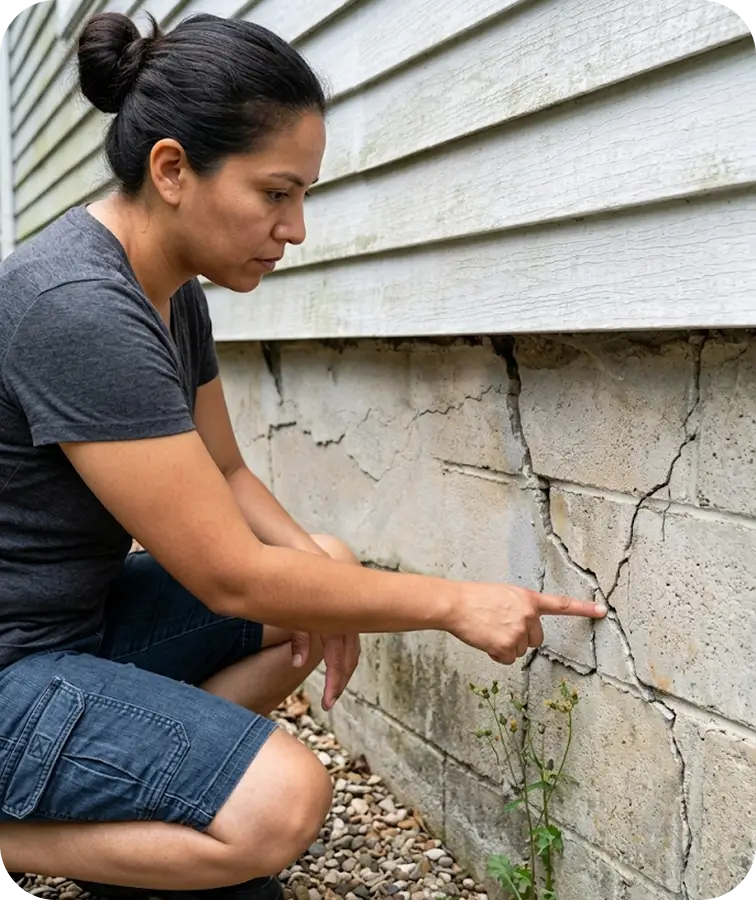
In many cases, basement dampness is not caused by a single dramatic issue, but by a combination of surface water, grading, drainage, and seasonal moisture conditions.
Musty Smells in the Basement: What They May Mean
If your basement smells musty, sour, or stale in the spring, moisture is often part of the picture.
That does not automatically mean there is major mold growth, but it may suggest that the space has elevated humidity, poor ventilation, or a moisture source that deserves attention.
In some cases, simply opening basement windows may not improve the situation. When outdoor spring air is warm and humid, bringing that air into a cool basement can sometimes add more moisture rather than reduce it.
Helpful first steps
When Moisture May Be a Sign of a Bigger Problem
Some basement moisture issues are minor and seasonal. Others may point to conditions that deserve closer evaluation.
These may include:
If the same problem keeps returning each spring, it may be time to move beyond short-term solutions and investigate the cause more closely.
Why Early Action Matters
Basement moisture can be easier to manage when it is identified early.
A small drainage problem in spring can become a more costly repair later if water continues to affect finishes, stored items, insulation, or structural components.
Even when the issue seems minor, understanding where the water is coming from is usually more useful than simply trying to dry the area out temporarily.
How a Home Inspection Can Help
A home inspection cannot see through walls or guarantee the source of every leak, but it can help identify visible conditions that may be contributing to basement moisture.
At Mose Home Inspection, an inspection may help highlight:
This gives homeowners a clearer starting point for deciding what to monitor, what to maintain, and when additional evaluation may be needed.
Final Thoughts
Spring basement leaks in Montreal are often linked to the way water moves around the outside of the home.
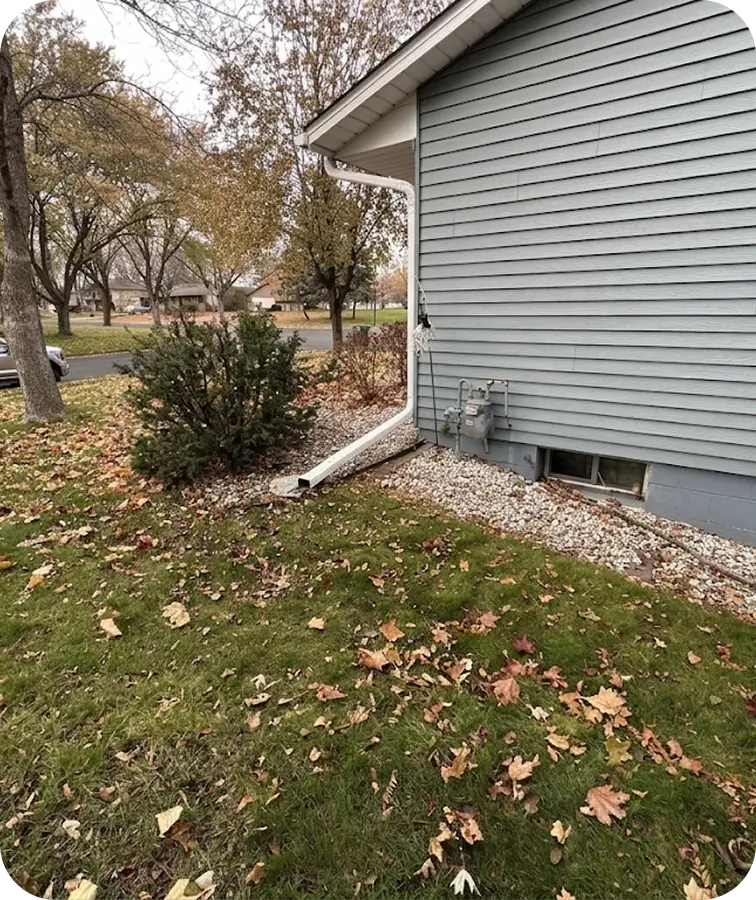
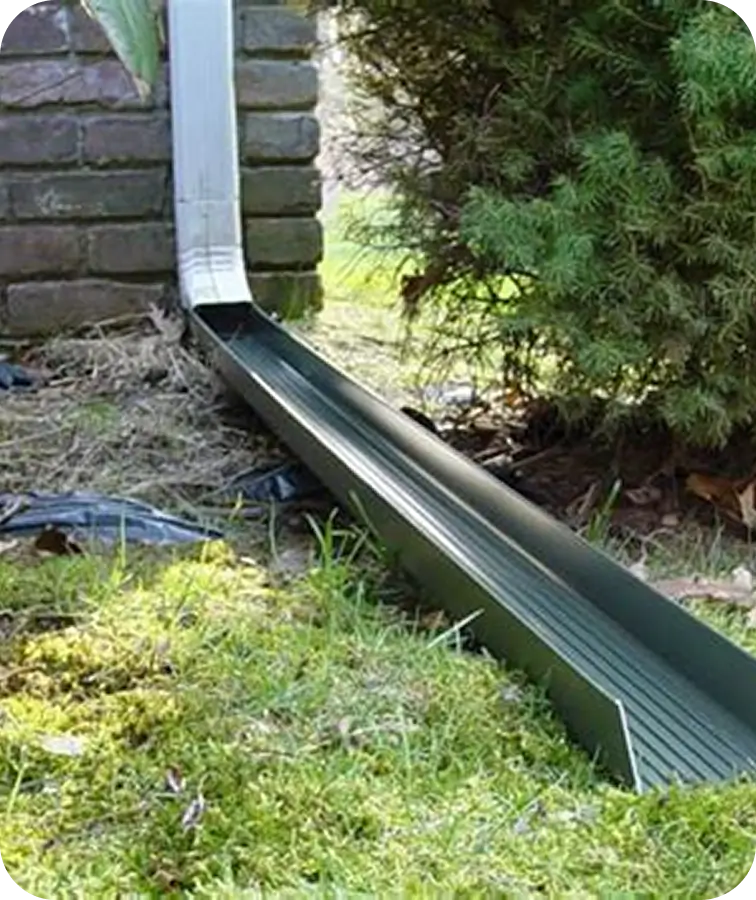
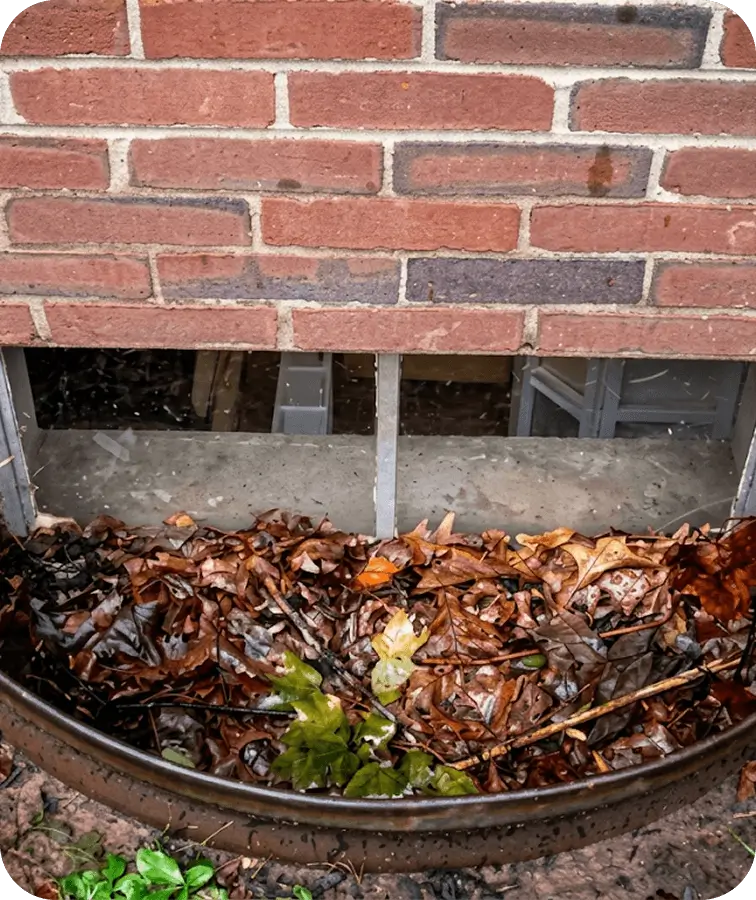
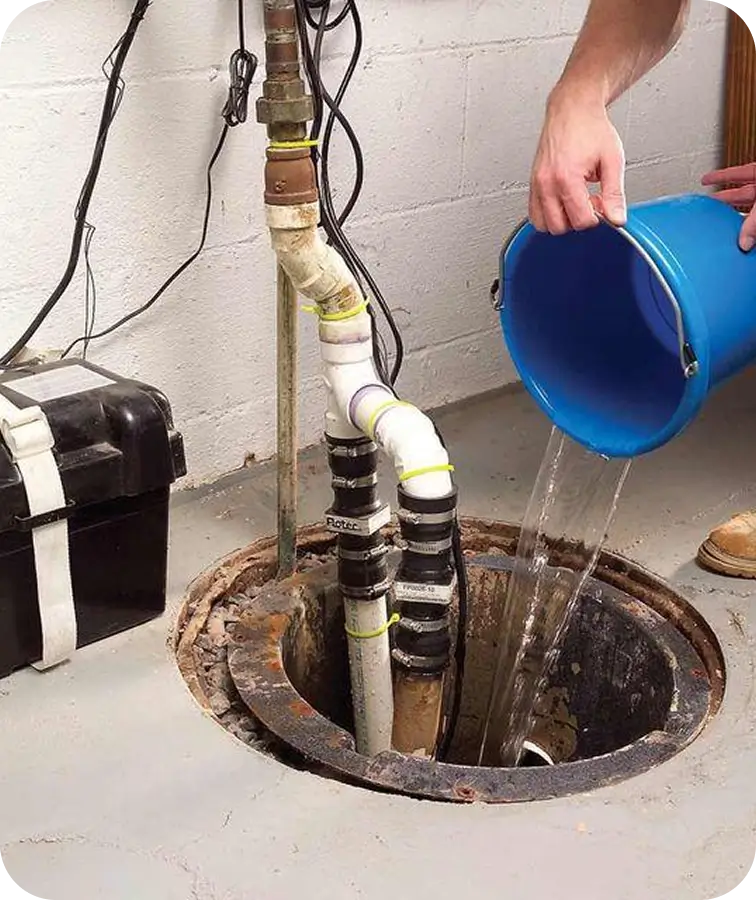
Before assuming the solution is major drainage work, it usually makes sense to start with the basics: grading, gutters, downspouts, window wells, and sump pump function.
Understanding these conditions early can help you make better decisions and reduce the risk of ongoing moisture problems in the months ahead.
If you are noticing dampness, musty odours, or signs of moisture in your basement this spring, a professional inspection can help you better understand what to check next.
with Mose Home Inspection and get clearer insight into your home’s spring moisture conditions.