Why Test Your Home for Radon in Montreal and Across Quebec

Ivan Mose
Founder and CEO, Certified
Master Inspector
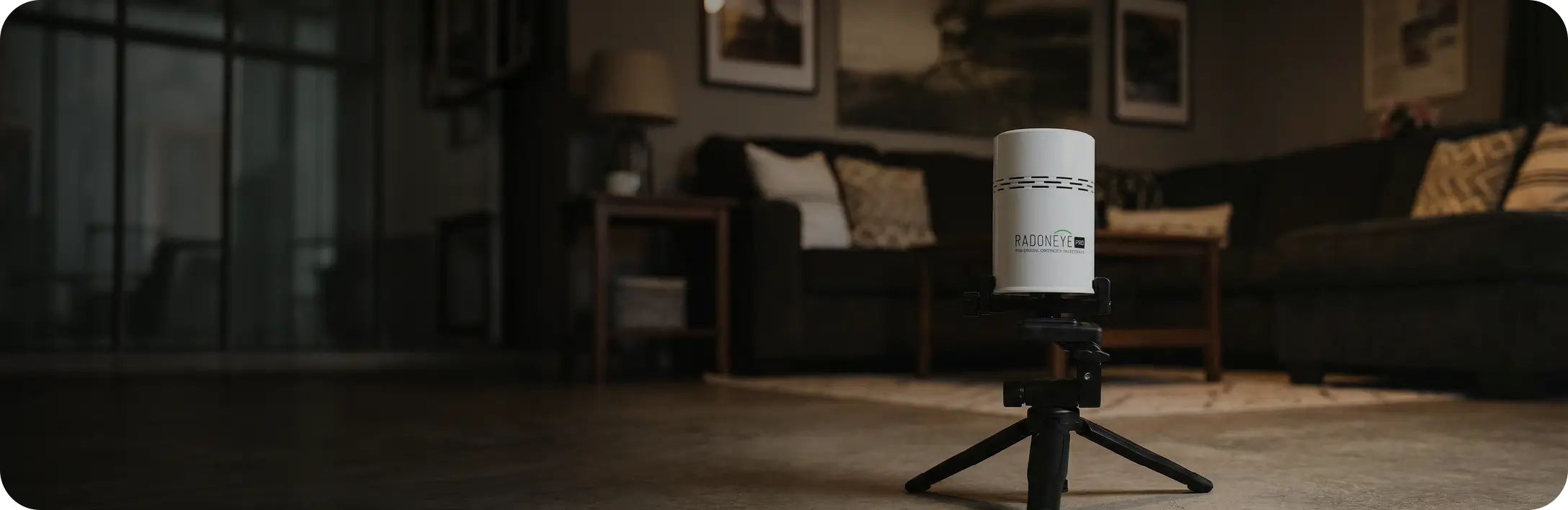
A RadonEye radon detector on a tripod placed in a dimly lit home living room

Radon is a naturally occurring radioactive gas found in the soil beneath our dwellings.

In Quebec—where long winters keep us indoors and basements are commonly used as living areas—testing for radon is essential for protecting your family’s long-term health.

To understand how radon fits into your overall home health, learn more about the professional inspection services offered by Mose.
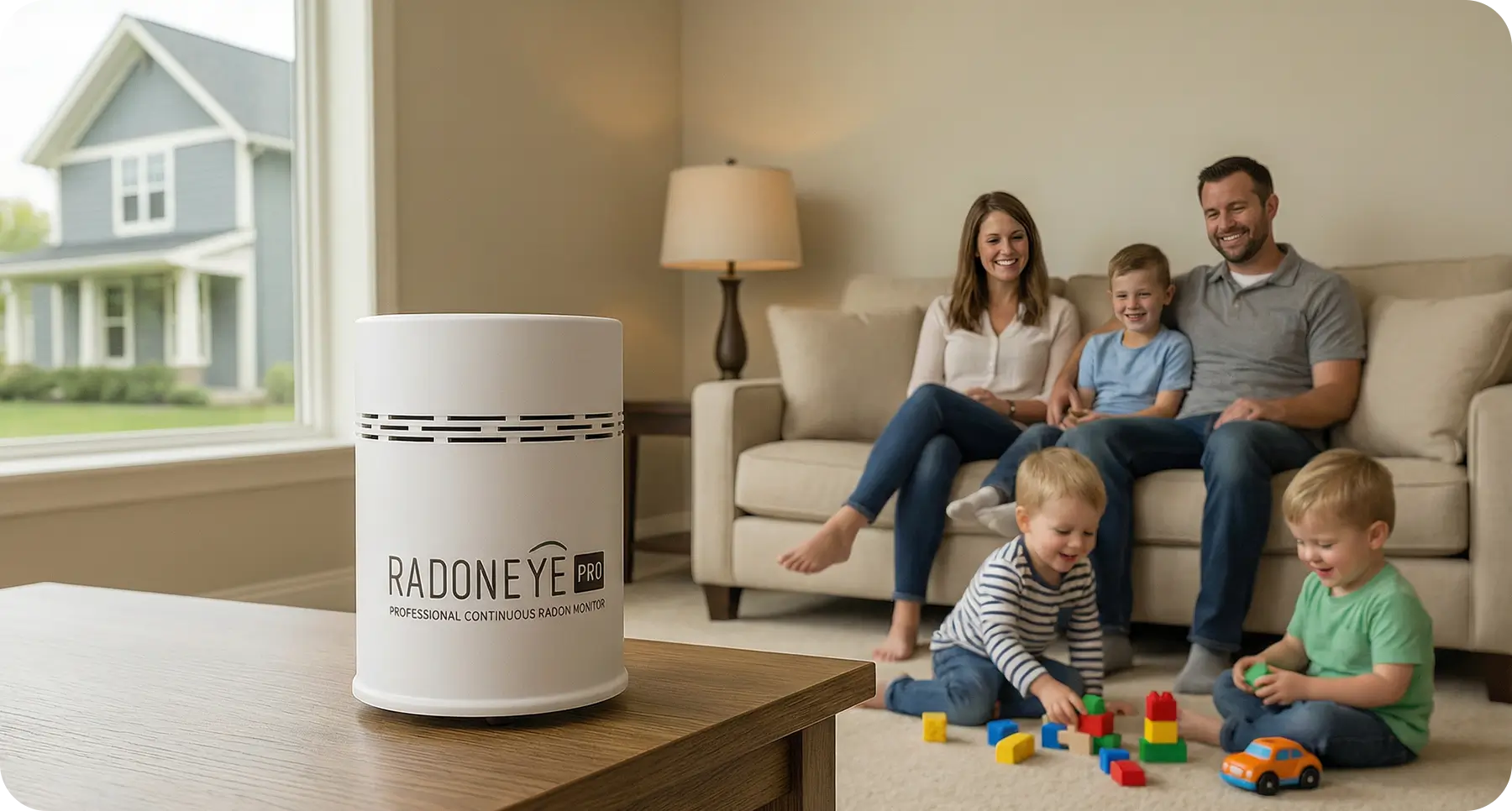
A RadonEye Pro continuous radon monitor in the foreground with a smiling family sitting on a couch at home in the background

1. A Leading Cause of Lung Cancer

Radon is the #1 cause of lung cancer among non-smokers, and the risk increases significantly with long-term indoor exposure.

Illustrated x-ray of human lungs showing cancerous growths and smoke, representing radon as a leading cause of lung cancer
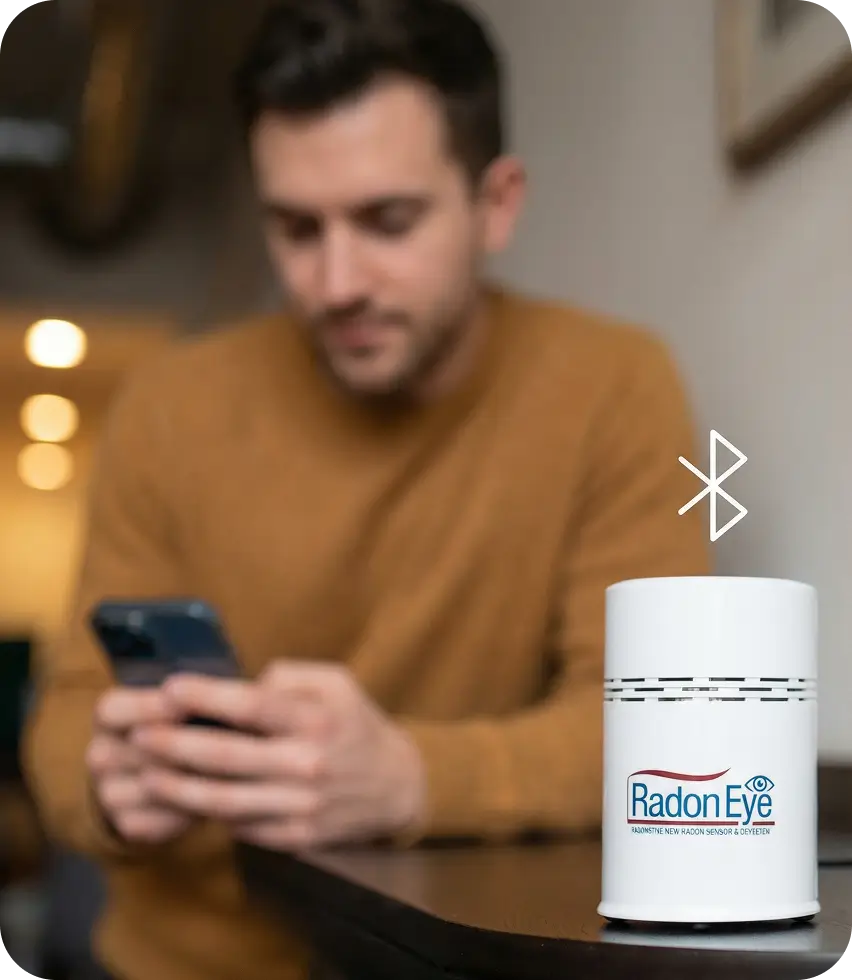
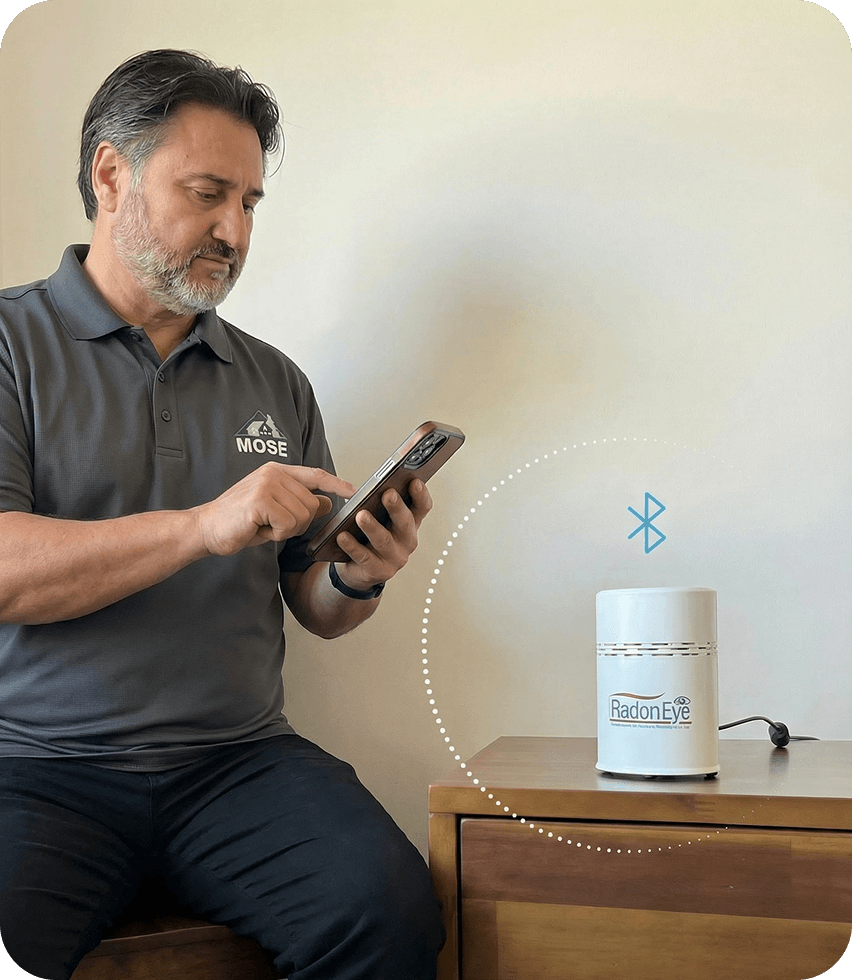
A man checking his phone beside a RadonEye Bluetooth radon monitor on a table, illustrating that radon is undetectable without testing equipment

2. Impossible to Detect Without Testing

Radon has no smell, colour, or taste. A certified radon test is the only reliable way to know if your home is affected.

3. Higher-Risk Zones Near Montreal

Neighbourhoods such as the West Island, South Shore, Laval, and the Laurentians have soil conditions that increase radon potential.

Red map pin markers on a map representing higher-risk radon zones near Montreal
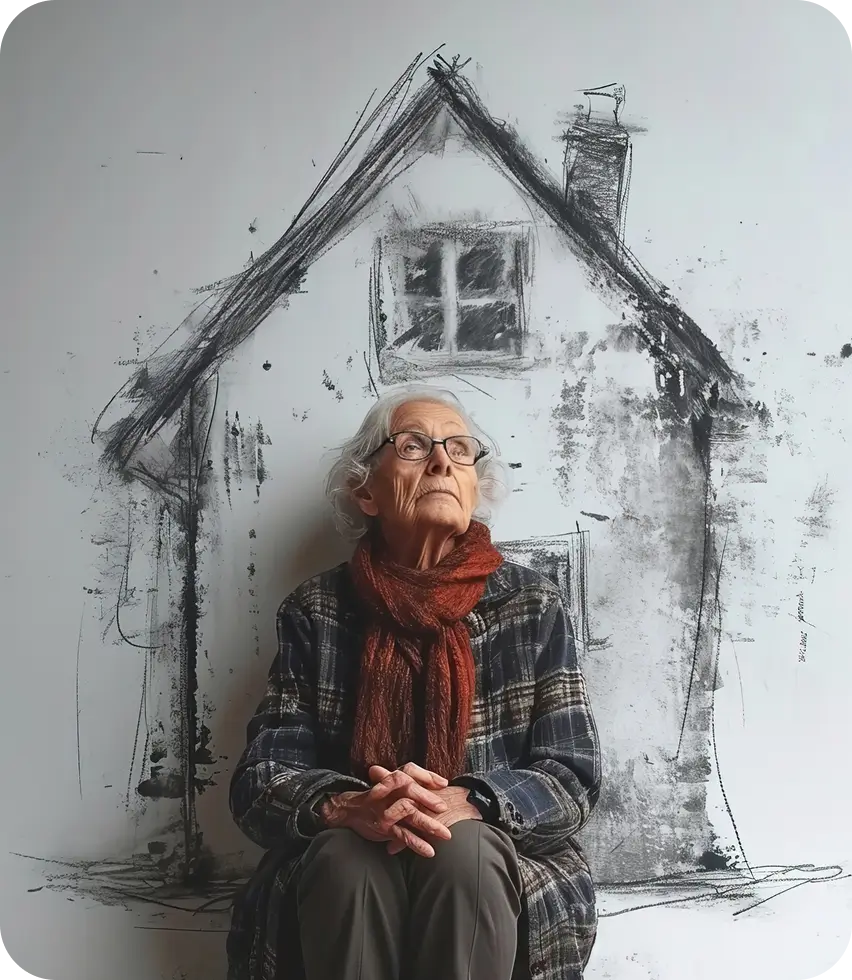
An elderly woman standing in front of a sketch illustration of an old house, representing older foundations being vulnerable to radon entry

4. Older Foundations Are Vulnerable

Many Montreal homes with stone or concrete-block foundations allow radon to seep through cracks and structural joints.
If you own an older property, you may also be interested in our article on The Hidden Challenges of Older Homes.

5. Basements Used as Living Space

Basements used as bedrooms, offices, playrooms, or home gyms result in greater exposure to radon—where levels naturally tend to be higher.
If this applies to your home, you can book a certified radon test in minutes.

A couple relaxing together on a couch in a dimly lit basement living space, holding mugs
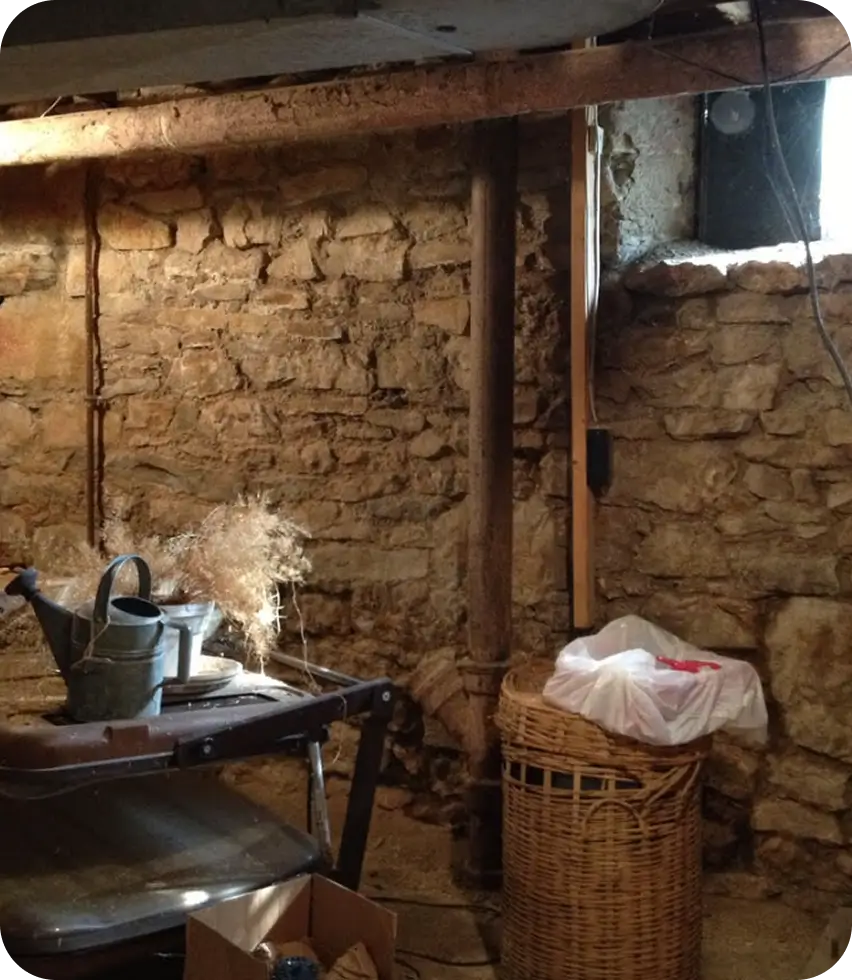
An old stone foundation basement with exposed wooden beams and pipes, representing how long heating seasons trap radon indoors

6. Long Heating Seasons Trap Radon Indoors

Closed windows during long winter periods in Quebec reduce ventilation and allow radon to accumulate.

7. All Housing Types Can Be Affected

Condos, duplexes, triplexes, townhomes, and single-family dwellings can all show elevated radon test results.

Château Frontenac castle-hotel in Quebec City at golden hour, representing that all housing types in Quebec can be affected by radon
A Mose home inspector using a smartphone app via Bluetooth to connect to a radon monitor, showing that radon testing is simple and affordable

8. Testing Is Simple and Affordable

Radon testing is simple and affordable when performed by certified professionals.
Learn more about our radon testing service and what to expect.

9. Mitigation Works in Quebec Climate

Professional radon mitigation systems can reliably reduce radon to levels below Health Canada’s 200 Bq/m³ guideline.
Improving home ventilation can also help—read our article 10 Ways to Make Your Home More Energy Efficient.
For more information, see Health Canada’s guide.
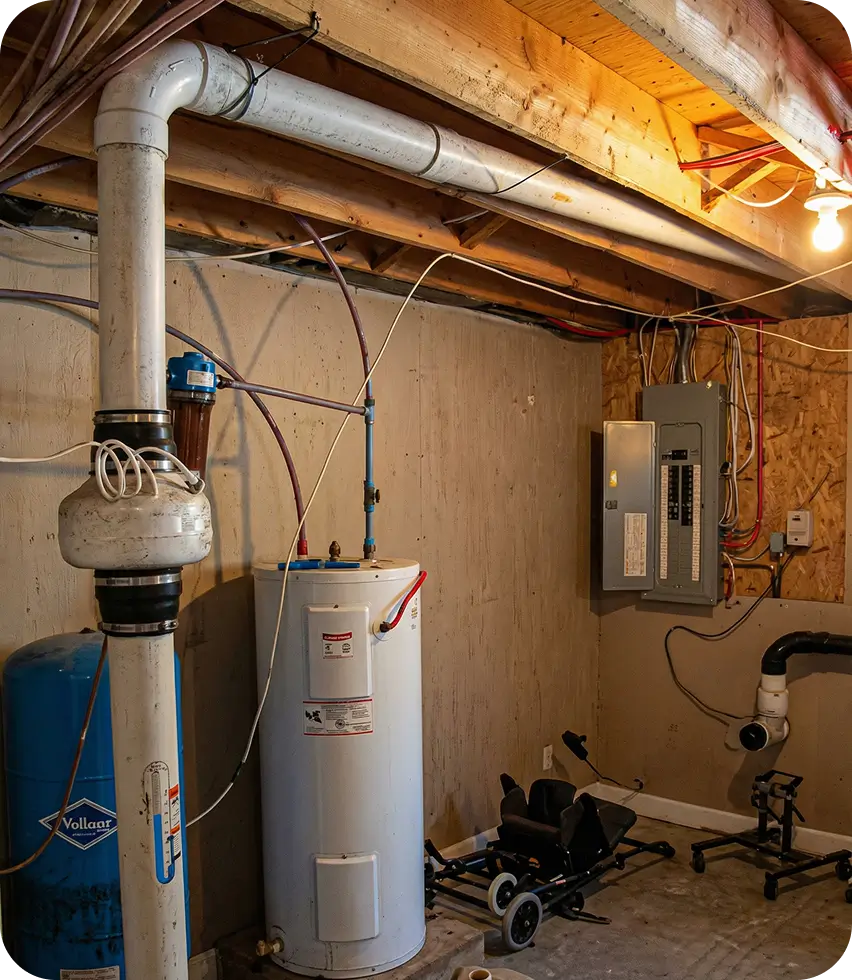

Basement utility area with PVC pipes, electrical panel, and a radon mitigation fan system, showing effective radon mitigation in Quebec homes
A businessman in a suit holding a glowing city skyline model in his hands, representing real estate confidence provided by radon testing

10. Valuable for Real-Estate Confidence

Documented radon results help reduce uncertainty for buyers and sellers while improving trust during real estate transactions.

A smiling woman wearing a headset ready to assist customers getting started with radon testing

How to Get Started

Mose Home Inspection provides certified radon testing in the lowest occupied area of your dwelling. Once the long-term results are analyzed, you’ll receive clear guidance and recommendations—without pressure or upselling.

Radon is invisible

Odorless and more common in Quebec homes than most people realize—especially in finished basements, older foundations, and homes closed up during winter.

Testing is simple and affordable and the only way to know your level. Whether buying, selling, or seeking peace of mind, now is a great time to test.

Frequently Asked Questions (FAQ)

Yes. Certain regions around Montreal show naturally higher radon potential due to soil composition and building age.
Health Canada recommends taking corrective action at 200 Bq/m³ or higher.
A long-term test (minimum 91 days) provides the most accurate results and is the method recommended by Health Canada and used by Mose inspectors.
Yes. Even new builds or upper-level condos can show elevated results depending on building structure and ventilation systems.

Certified professionals like Mose Home Inspection Services ensure accurate, legally recognized results.

Related Insights & Tips.

  • Labour Day Weekend 2026: A Guide to Greater Montreal, Region by Region

    Labour Day Weekend 2026: A Guide to Greater Montreal, Region by Region

  • Beware the Soft & the Alarmist Inspector Alike: How to Choose an Unbiased Home Inspector in Montreal

    Beware the Soft & the Alarmist Inspector Alike: How to Choose an Unbiased Home Inspector in Montreal

  • Mose home inspector reviewing inspection report on tablet with homebuying couple in Montreal

    How to Choose an Unbiased Home Inspector in Montreal

Context