10 Ways to Make Your Home More Energy Efficient In 2025

Ivan Mose
Founder and CEO, Certified
Master Inspector

A man replacing a light bulb in a ceiling pendant lamp, representing simple energy-efficient home upgrades

Reducing your home’s energy consumption isn’t just good for your wallet — it’s essential for comfort, health, and sustainability. Whether you’re planning upgrades or just getting started, here are 10 smart ways to boost your home’s efficiency this year.
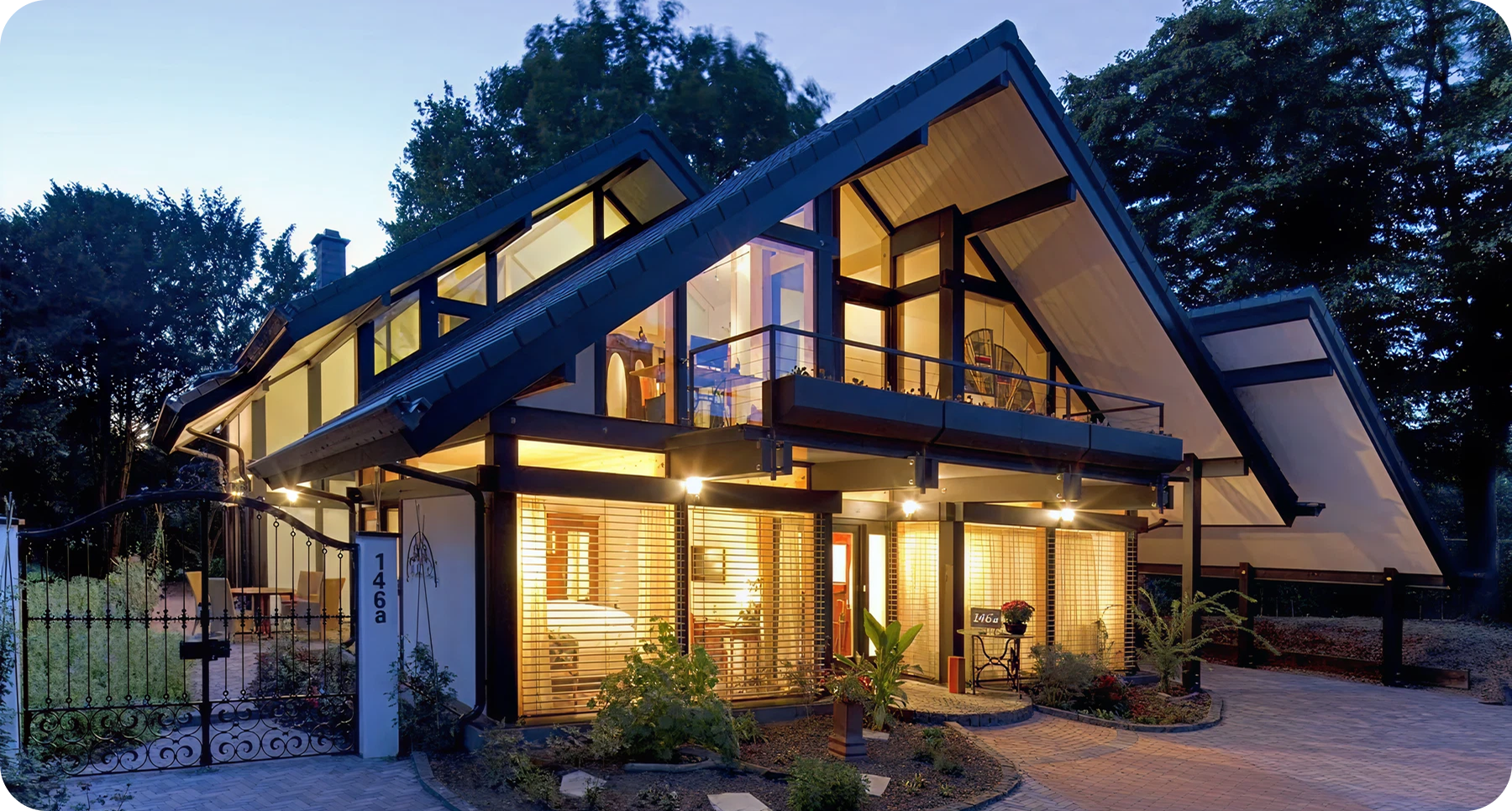
A modern A-frame house with large windows glowing with warm interior light at dusk, surrounded by trees, representing an energy-efficient home

1. Upgrade Heating & Cooling Practices

Heating and cooling account for up to 50% of home energy use. You can cut costs by:

  • Installing ceiling fans to improve air circulation in summer.
  • Replacing filters in your furnace and air conditioning systems.
  • Turning your thermostat down at night or when away. Lowering it by just oC reduce your heating bill by up to 10%.
  • Using programmable thermostats to manage temperatures more efficiently.
  • 🔗 Consider linking to: “How to prepare your home for seasonal changes” or “Thermostat usage tips.”
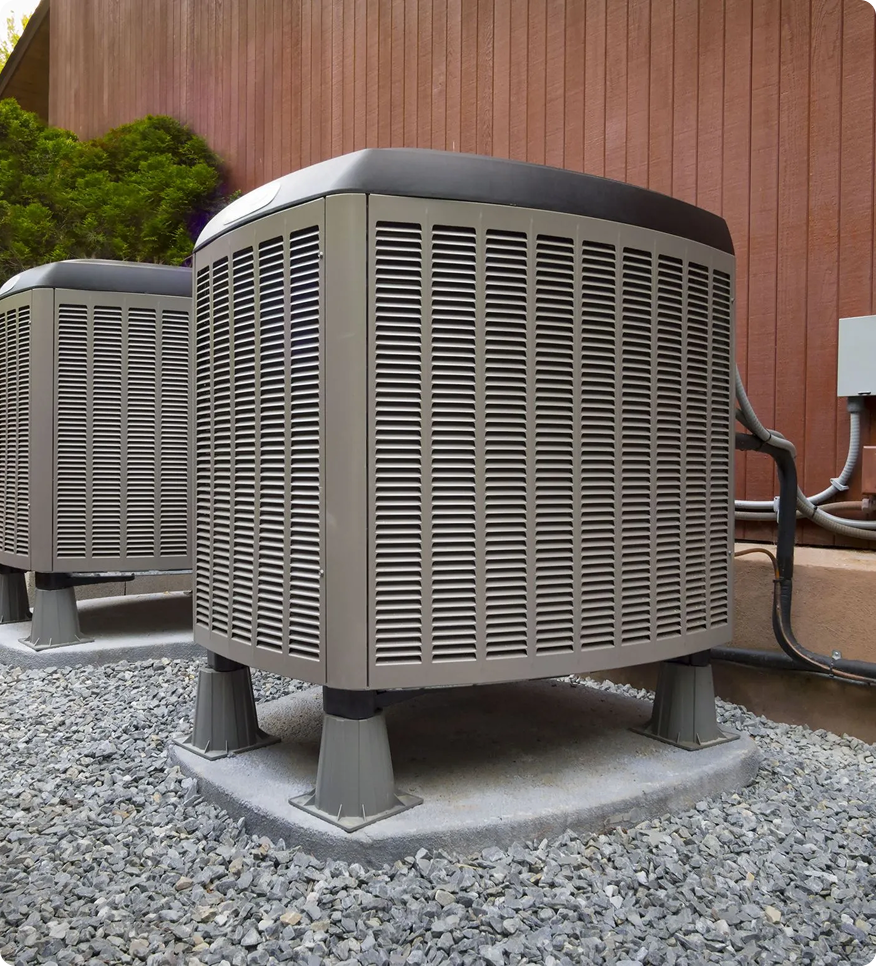
An outdoor HVAC air conditioning unit installed against a wooden fence, representing upgrading heating and cooling systems for improved home energy efficiency
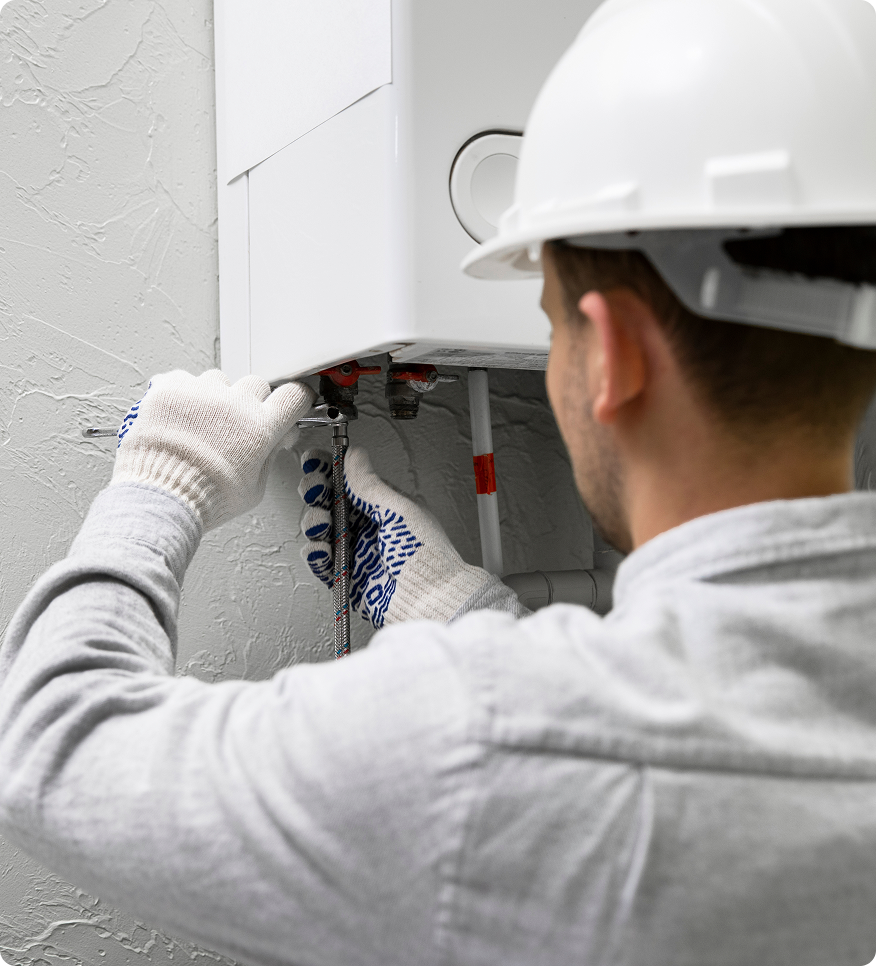
A technician wearing a hard hat and gloves installing a tankless water heater on a wall, representing an energy-efficient home upgrade

2. Install a Tankless Water Heater

Tankless water heaters provide hot water only when needed, reducing standby energy losses. They deliver a continuous supply of hot water while cutting energy waste.

3. Replace Incandescent Lights

Switch to LED or CFL bulbs. They use 75% less energy and last much longer than traditional bulbs. Bonus: they produce less heat, keeping your home cooler in summer.
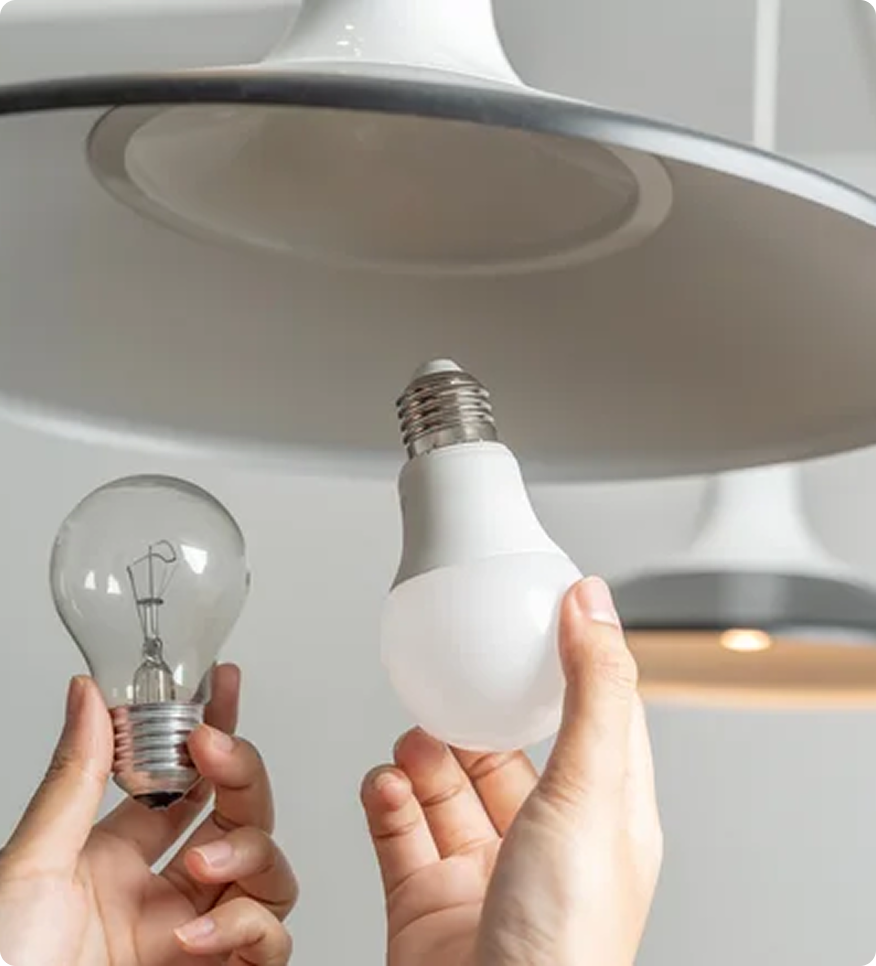
A close-up of an LED light bulb being installed into a ceiling light fixture, representing the switch from incandescent to energy-efficient LED lighting
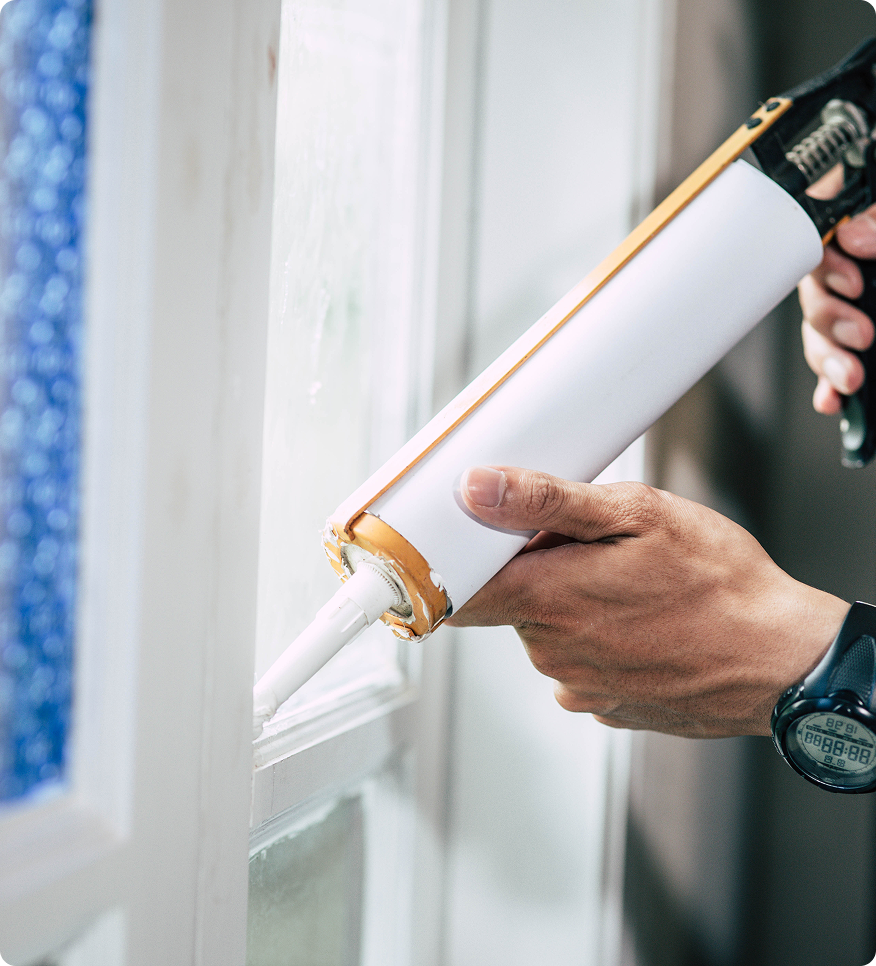
A hand applying caulk sealant around a window frame using a caulk gun, representing proper sealing and insulation to improve home energy efficiency

4. Seal and Insulate Properly

Sealing gaps around windows, doors, and attic access points reduces drafts and improves comfort. Use caulk or foam around baseboards, vent pipes, and outlet covers. Proper insulation also improves indoor air quality and reduces energy bills.
5. Use Water-Efficient Fixtures

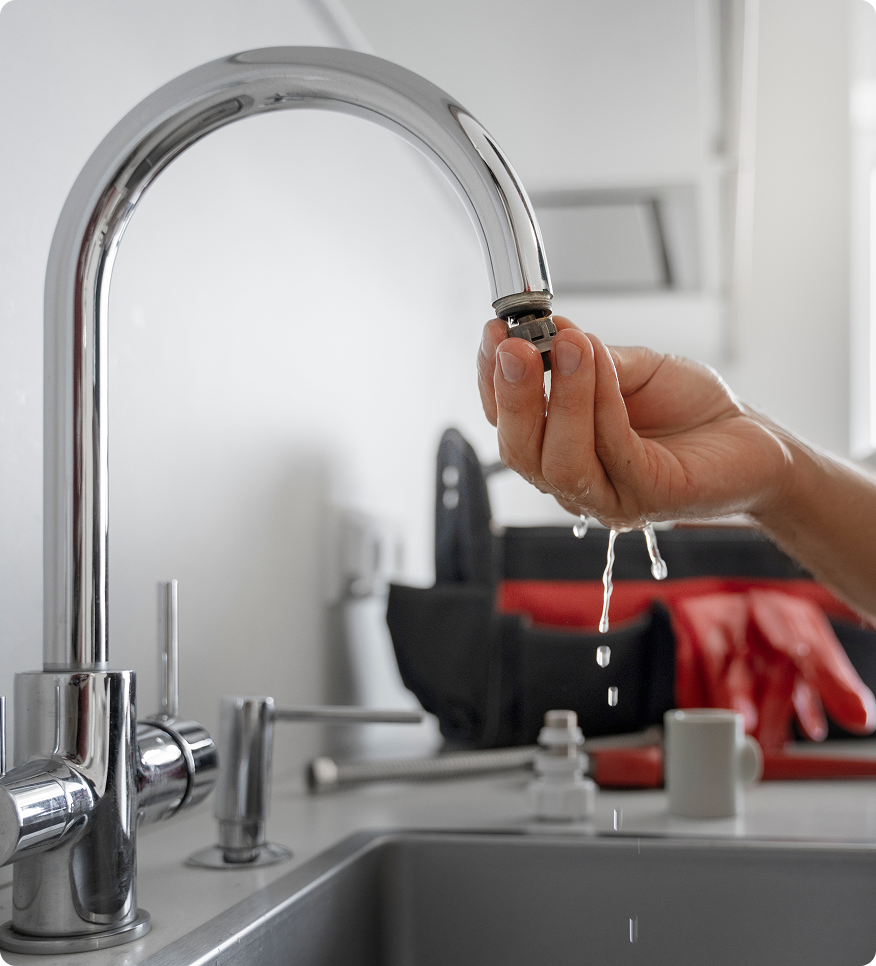
Install low-flow shower heads and dual-flush or vacuum-assist toilets. Older toilets can use up to 3.5 gallons per flush — modern models reduce this by half or more, saving thousands of gallons annually.

A hand installing a faucet aerator on a chrome kitchen faucet with plumbing tools nearby, representing the use of water-efficient fixtures to reduce home water consumption
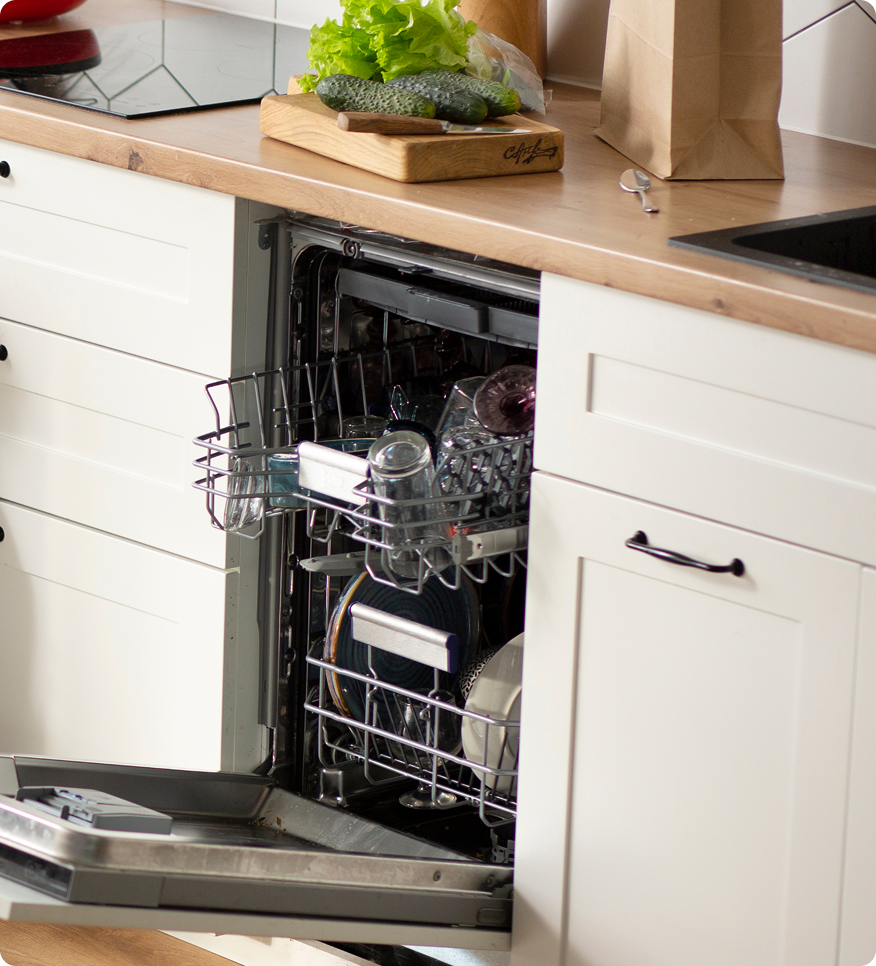
An open dishwasher fully loaded with dishes in a kitchen, representing the energy-efficient practice of running appliances with full loads to reduce electricity and water use

6. Use Appliances Wisely

  • Run full loads in your washer or dishwasher.
  • Unplug chargers and electronics when not in use.
  • Opt for ENERGY STAR-rated appliances.
  • Keep your refrigerator away from heat sources.

7. Embrace Natural Light (Daylighting)

Install skylights or light tubes to brighten rooms without flipping a switch. Use light shelves and clerestory windows to bounce daylight deeper into the home.


A woman sitting by a large window with bright natural sunlight streaming into the room, illustrating the concept of embracing natural light and daylighting in a home
A woman looking out through a large window framed by dark curtains, representing the importance of insulating windows and doors to improve home energy efficiency

8. Insulate Windows and Doors

  • Apply weatherstripping and install storm windows.
  • Use thermal curtains at night.
  • Repair or replace rotted window frames.

9. Cook Efficiently

Use pressure cookers, convection ovens, and lids to reduce cooking time. Microwave ovens use 80% less energy than traditional ovens — a small change with big returns.
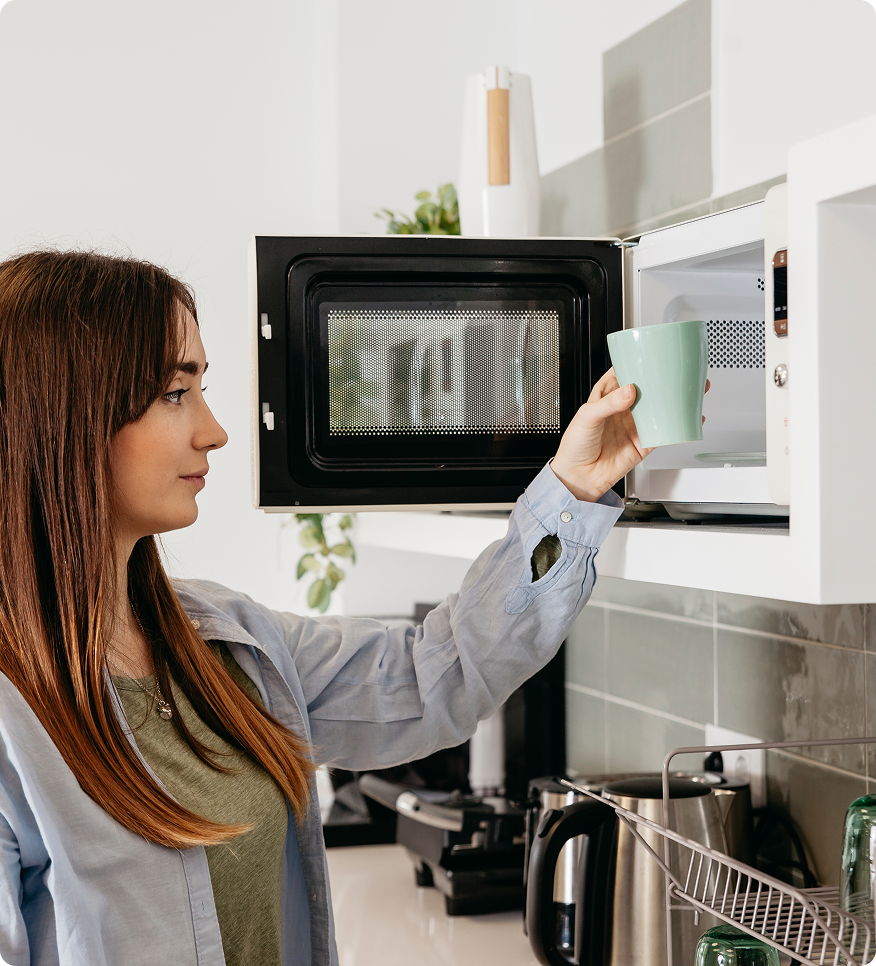

A woman placing a mug into a microwave in a modern kitchen, representing energy-efficient cooking by using small appliances instead of a full oven
A woman hanging laundry outdoors using colorful clothespins, representing energy-efficient laundry habits like air-drying clothes instead of using a dryer

10. Rethink Laundry Habits

  • Wash with cold water whenever possible.
  • Clean the lint trap before every dryer cycle.
  • Hang dry clothes outside only .
  • Always wait for a full load before washing.
Frequently Asked Questions (FAQ)

Swapping out light bulbs for LEDs and sealing air leaks are fast, affordable changes with big impact.

Yes! Proper insulation pays for itself by reducing heating and cooling costs year-round.

Not necessarily. Many models are compact and easy to install in smaller spaces

Related Insights & Tips.

  • Mose home inspector reviewing inspection report on tablet with homebuying couple in Montreal

    How to Choose an Unbiased Home Inspector in Montreal

  • Buyer and real estate agent reviewing a home inspection report with the seller at a table — negotiating repairs after a home inspection to keep the sale on track

    How to Manage Repairs
Without Losing the Sale

  • Mose home inspector reviewing inspection findings with a real estate broker and buyers in a modern Montreal kitchen

    The “Deal Killer” Myth: How Brokers and Inspectors Can Actually Work Together

Context