
Vices Cachés in Quebec Real Estate: Why Inspection and Disclosure Matter

A practical guide for buyers, sellers, and real estate professionals who want fewer surprises before and after the sale.

Important note: This article is general educational information. It is not legal advice. For a specific question about a real estate transaction, hidden defect claim, or legal warranty, speak with a notary or lawyer.

Why This Topic Matters

In Quebec real estate, few words create more concern than “vice caché,” or “hidden defect.” Buyers worry about discovering a serious problem after moving in. Sellers worry about being blamed for something they did not fully understand before listing. Brokers want the transaction to move forward with less uncertainty.

After many years and thousands of home inspections, I have learned that people do not need more fear. They need clear & balanced information. A home inspection cannot remove every risk from a real estate transaction. It cannot see behind every wall, predict every future failure, or replace legal advice. But it can help buyers and sellers make better decisions with better information.

The goal of a good inspection is not to scare people. The goal is to help them understand the property before they make an important decision.

This is especially true when we talk about hidden defects. The more people understand what a hidden defect is, and what an inspection can and cannot do, the fewer surprises there are after the sale.
What is a Vice Caché?

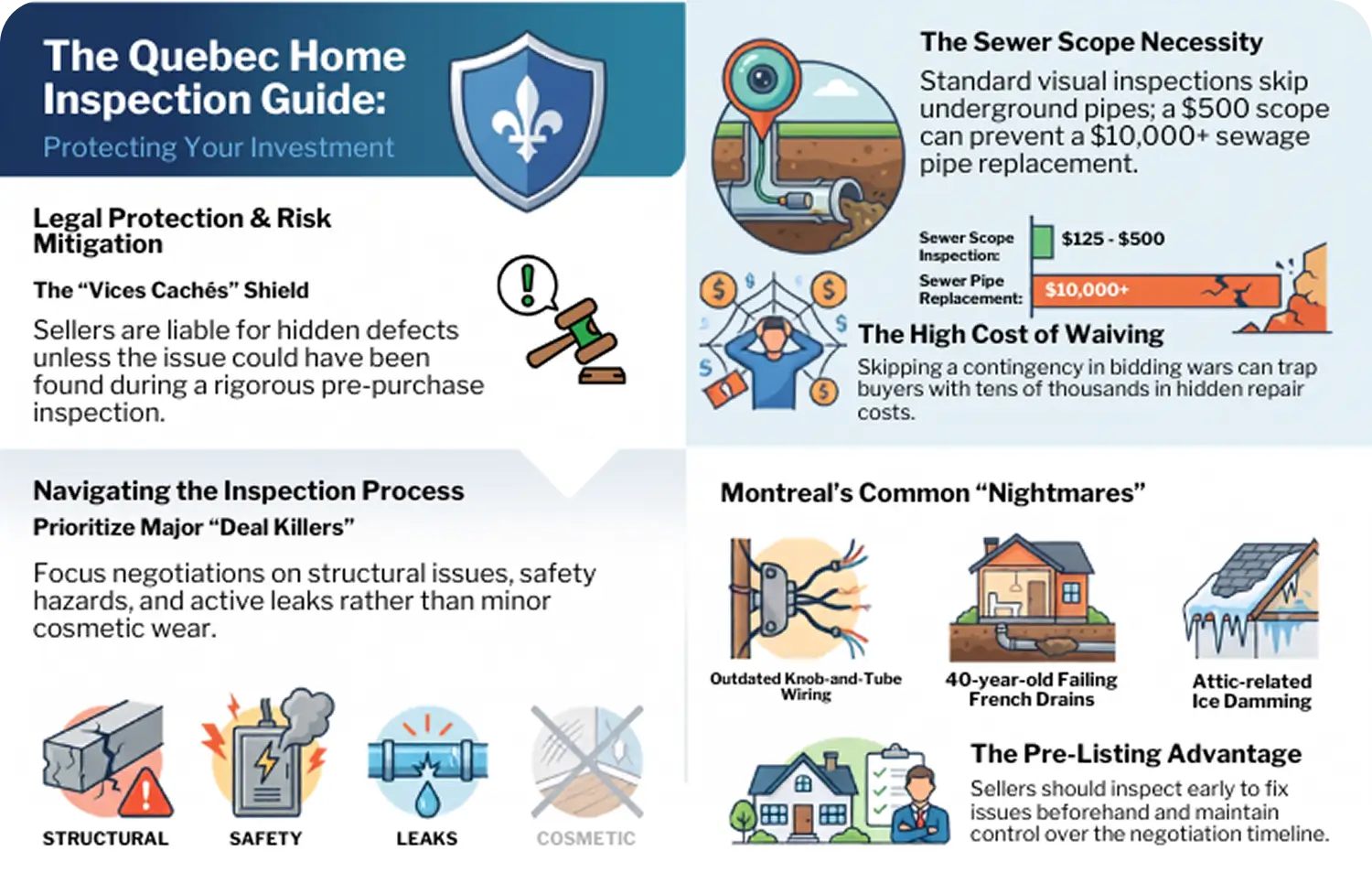
In simple terms, a vice caché is a hidden defect that existed at the time of the sale and is serious enough to affect the normal use or value of the property. The Civil Code of Quebec deals with this through the legal warranty of quality. The idea is that a property should not have serious hidden defects that make it unfit for its normal use or reduce its usefulness so much that the buyer would not have paid the same price if they had known.

Not every problem is a hidden defect. A scratched floor, an old faucet, peeling paint, or a worn countertop will usually not qualify. Homes do age. Materials wear out. Maintenance is part of ownership.
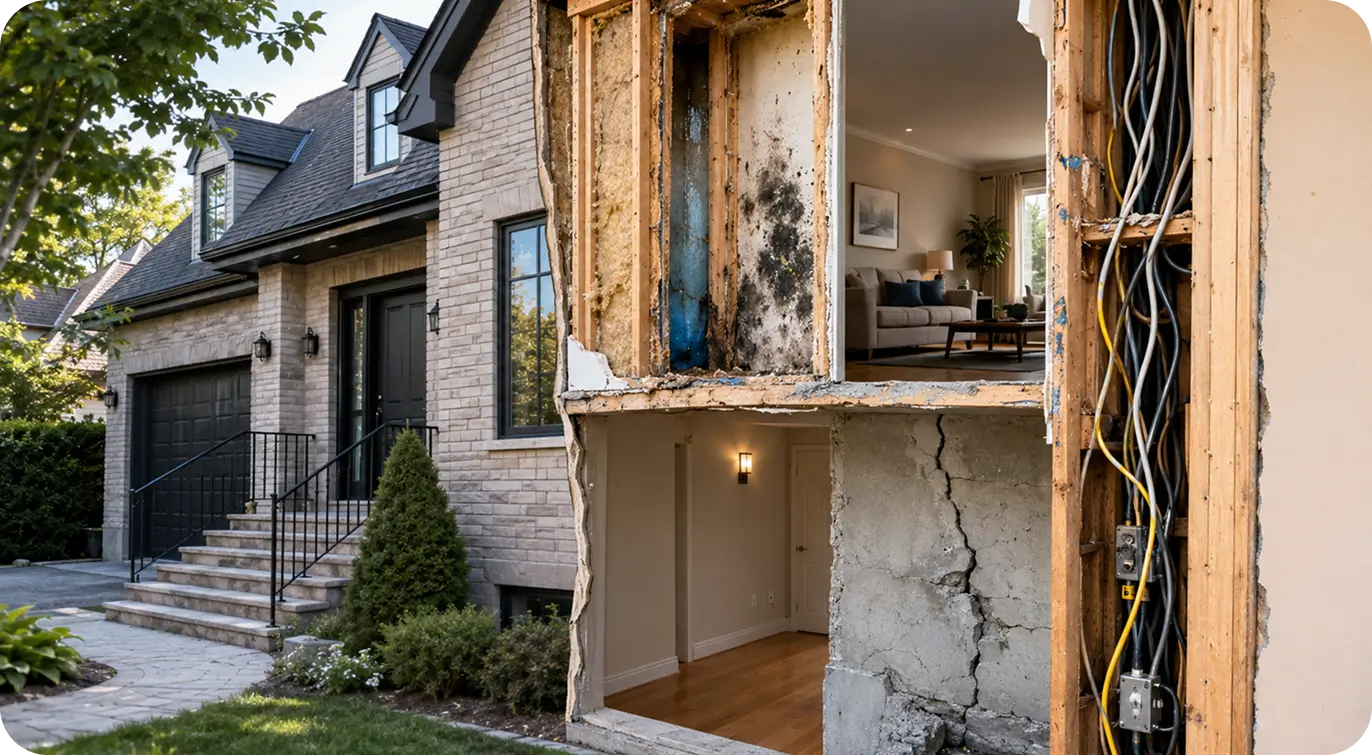
A true hidden defect is usually more serious. Examples may include major water infiltration that was not visible, serious foundation problems hidden behind finishes, unsafe electrical conditions that were not apparent, or mould concealed inside a wall. Every situation depends on the facts.

A hidden defect generally has four key features:

• It is serious enough to affect the use or value of the property.
• It existed before or at the time of the sale.
• It was not visible during a normal, careful examination.
• The buyer did not know about it before buying.

That last point matters. If a defect was visible, disclosed by the seller, or noted in an inspection report, it may no longer be considered hidden. This is one reason proper documentation is so important.

What a home inspection! Can Do

A professional inspection report is one of the best tools a buyer can use before purchasing a home. It gives the buyer a clearer picture of the condition of the property. It also helps the buyer ask better questions before closing.

A good inspection looks at the main visible and accessible systems of the home. This includes the roof, exterior, structure, electrical system, plumbing, heating, attic, insulation, ventilation, foundation, basement, doors, windows, drainage, and other important components.
For a buyer, the report can help identify conditions that may need repair, maintenance, further evaluation, or negotiation. It can also help the buyer understand the home after they move in. Many clients tell us that the inspection gave them peace of mind because they finally understood what they were buying.

For a seller, an inspection can be just as useful. A pre-sale inspection can help the seller understand the property before it goes on the market (read our article: 5 Reasons Why a Pre-Listing Inspection Is a Game-Changer for Sellers). That can make the listing process more transparent and reduce stress later.

The Balanced Way to Think About Hidden Defects

The topic of vices cachés can make people nervous, but it should not make them panic. Most real estate problems are easier to manage when people deal with them early and honestly.

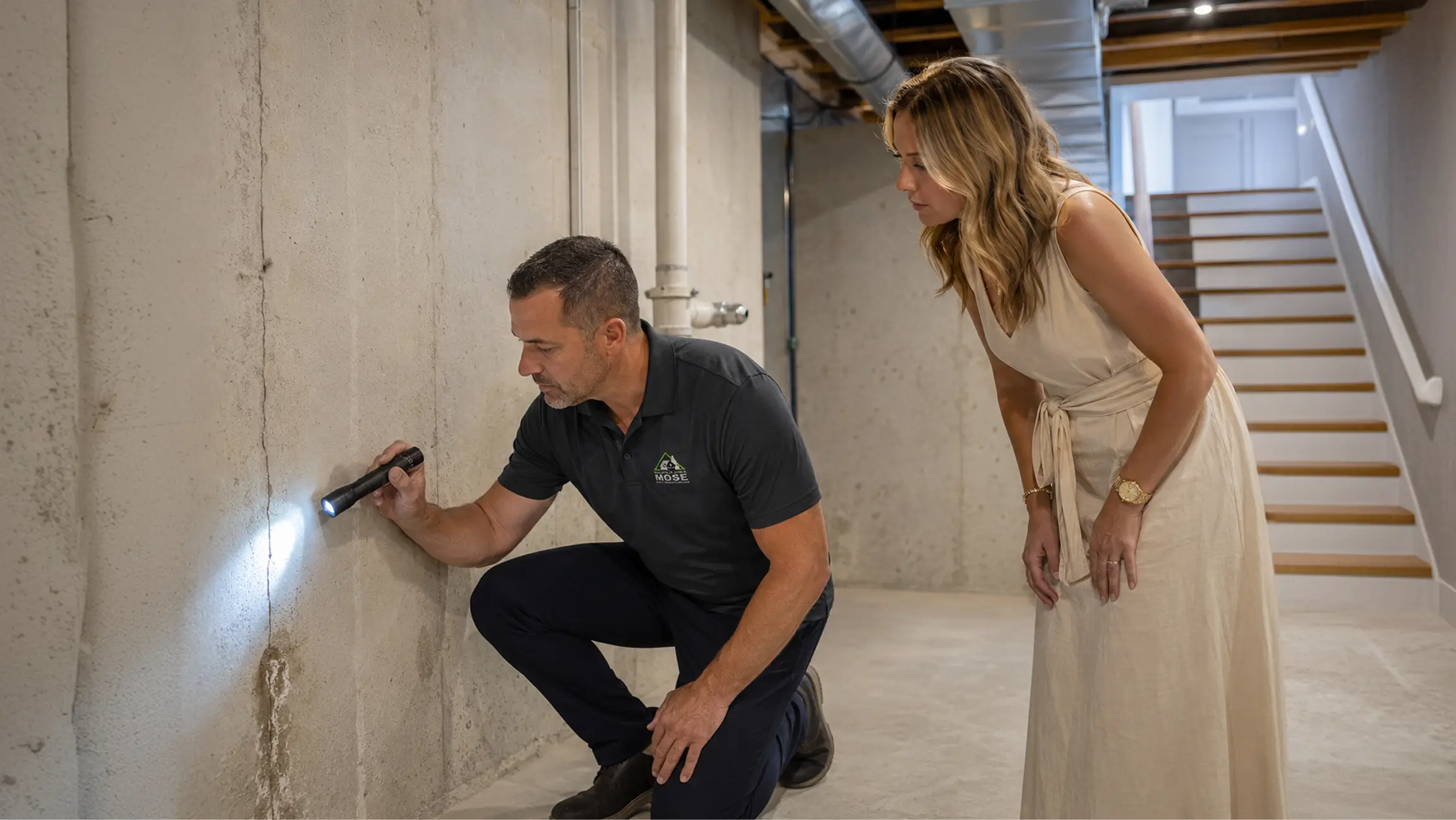
For buyers, the message is simple: do not treat the inspection as a formality. Attend the inspection if possible. Ask questions. Read the report. Understand the limits. Follow up when the inspector recommends further evaluation.

For sellers, the message is just as simple: know what you are selling. A pre-sale inspection can give you time to prepare, repair, disclose, or price with more confidence.

For brokers, the inspection process can support a smoother transaction. It helps reduce uncertainty, manage expectations, and keep the conversation grounded in facts.

Final Thought

A professional home inspection is not about fear. It is about clarity.

Whether you are buying, selling, or advising a client, the goal is the same: fewer surprises and better decisions. A clear inspection report helps people understand the condition of the property before important choices are made.

Mose Home Inspection Services helps buyers, sellers, and real estate professionals in the Greater Montreal area understand the condition of a property before important decisions are made.
Before making an important real estate decision,

let Mose Home Inspection Services help you understand the condition of the property with clarity and confidence.

Frequently Asked Questions (FAQ)

A vice caché is a hidden defect that existed at the time of the sale and is serious enough to affect the normal use or value of the property. Under the Civil Code of Quebec, the legal warranty of quality means a property should not have serious hidden defects that make it unfit for normal use, or that reduce its usefulness so much that the buyer would not have paid the same price if they had known.

No. A scratched floor, an old faucet, peeling paint, or a worn countertop will generally not qualify. A true hidden defect is usually more serious — such as major water infiltration that was not visible, serious foundation problems behind finishes, unsafe electrical conditions, or mould concealed inside a wall. Every situation depends on the specific facts.

No. A standard home inspection is visual and non-invasive — inspectors do not open walls, lift flooring, dig around the foundation, or dismantle systems. If something is concealed behind drywall, under a concrete slab, or inside an underground pipe, it may not be visible. An inspection greatly improves the information available, but it is not an insurance policy against every possible problem.

For buyers, a professional inspection report provides a clearer picture of the property’s condition and helps them make more informed decisions. For sellers, a pre-sale inspection allows time to prepare, disclose, or price with more confidence. For brokers, the inspection process reduces uncertainty, manages expectations, and keeps the transaction grounded in facts

Context

Insights & Tips for
Smart Homeowners