10 Common Home Inspection Myths in Montreal Real Estate

Buying or selling a home in Montreal can move quickly, especially in a competitive market. Between property visits, financing, offer deadlines, and negotiations, the home inspection can sometimes feel like just another step in the process.

In reality, a professional home inspection is one of the most useful tools for understanding a property before making an important decision.

At Mose Home Inspection, our role is to provide clear, objective information about the visible and accessible condition of a home. An inspection does not make the decision for you. It gives you the information you need to move forward with more confidence.Below are five common home defects, why they matter, and what homeowners can do next.

Below are 10 common home inspection myths we often hear from buyers, sellers, and homeowners in the Greater Montreal area.

Myth 1: The Inspector Will Tell Me If the Home “Passed” or “Failed”

A home inspection is not a pass-or-fail test.

A professional inspection is an objective evaluation of the visible and accessible components of a property at the time of the inspection. The inspector documents observations, explains their significance, and identifies items that may require maintenance, repair, monitoring, or further evaluation.

Every buyer has a different comfort level, budget, and plan for the property. A concern that feels significant to a first-time buyer may be manageable for an experienced investor or homeowner planning renovations.

The inspector provides the information. The buyer decides whether the property aligns with their goals, expectations, and tolerance for future work.

Myth 2: Buyers Should Not Attend the Inspection

Some buyers think the inspection should happen without them. In most cases, being present is helpful.

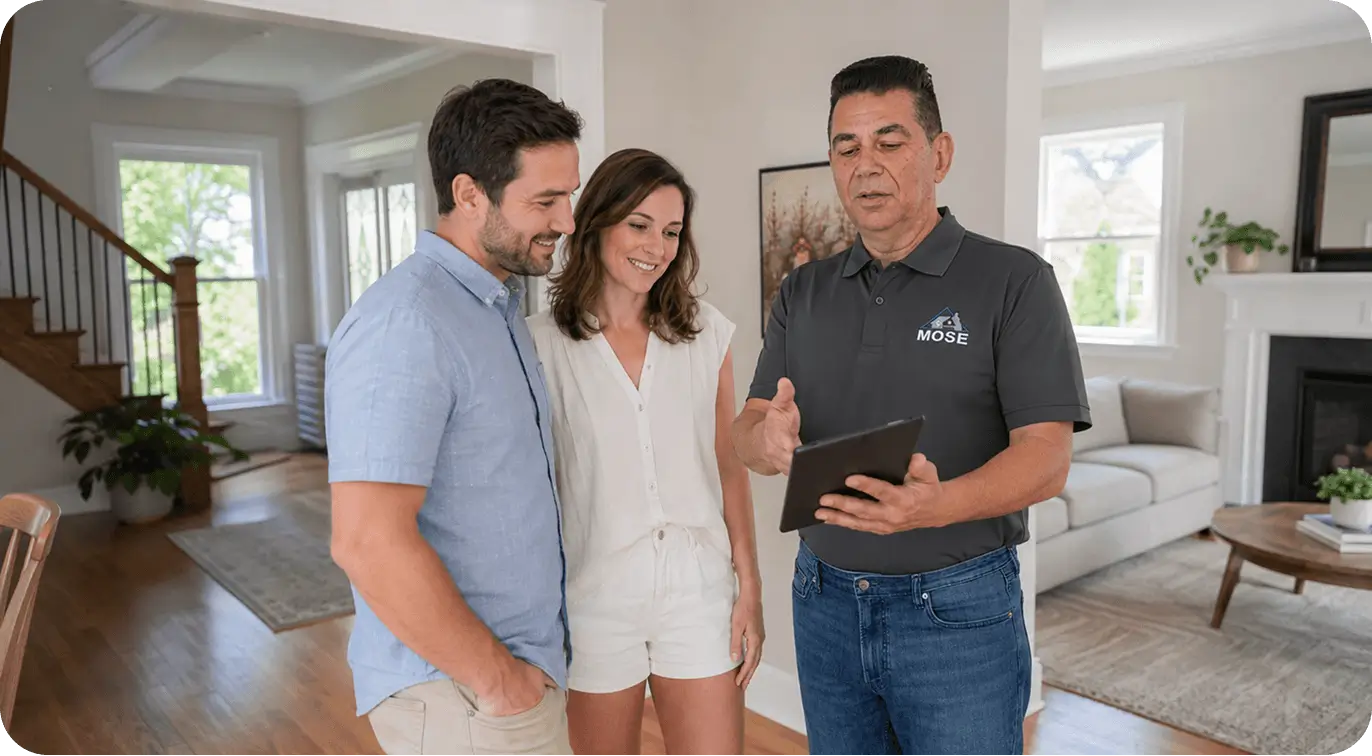
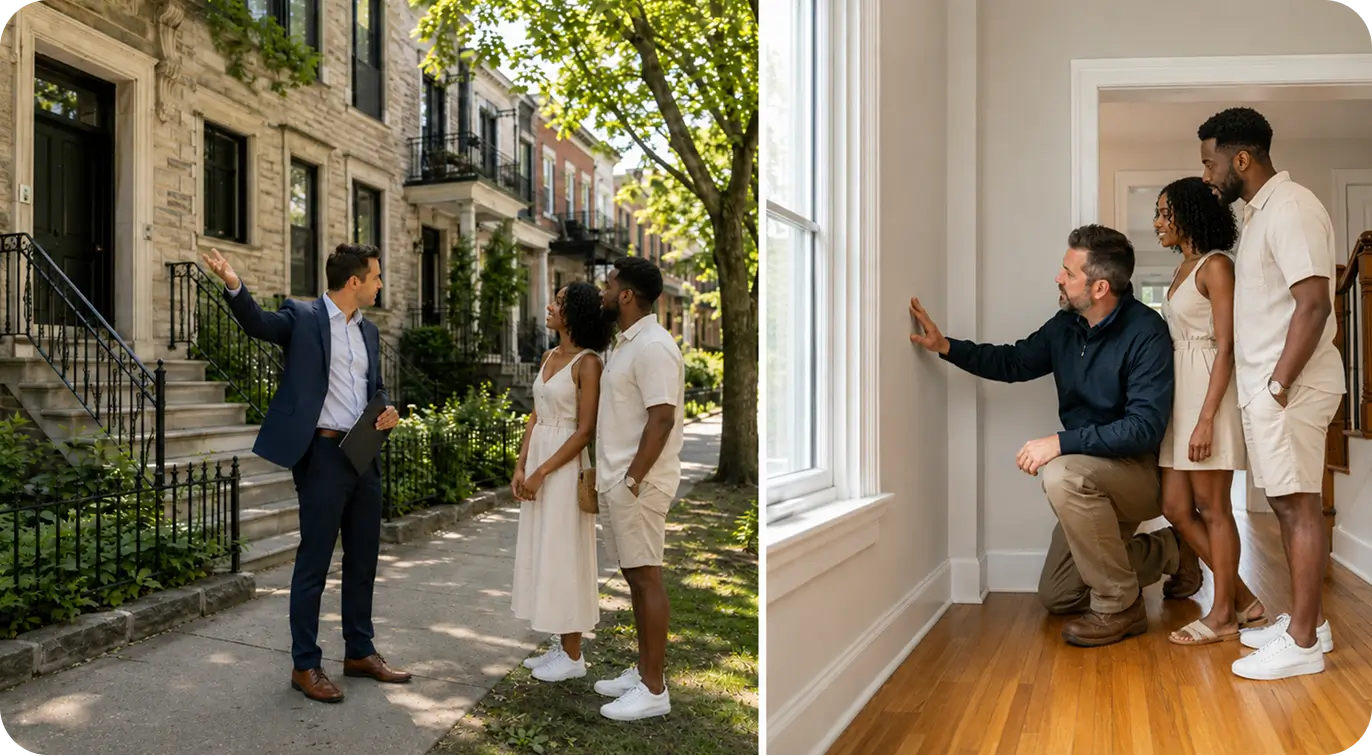
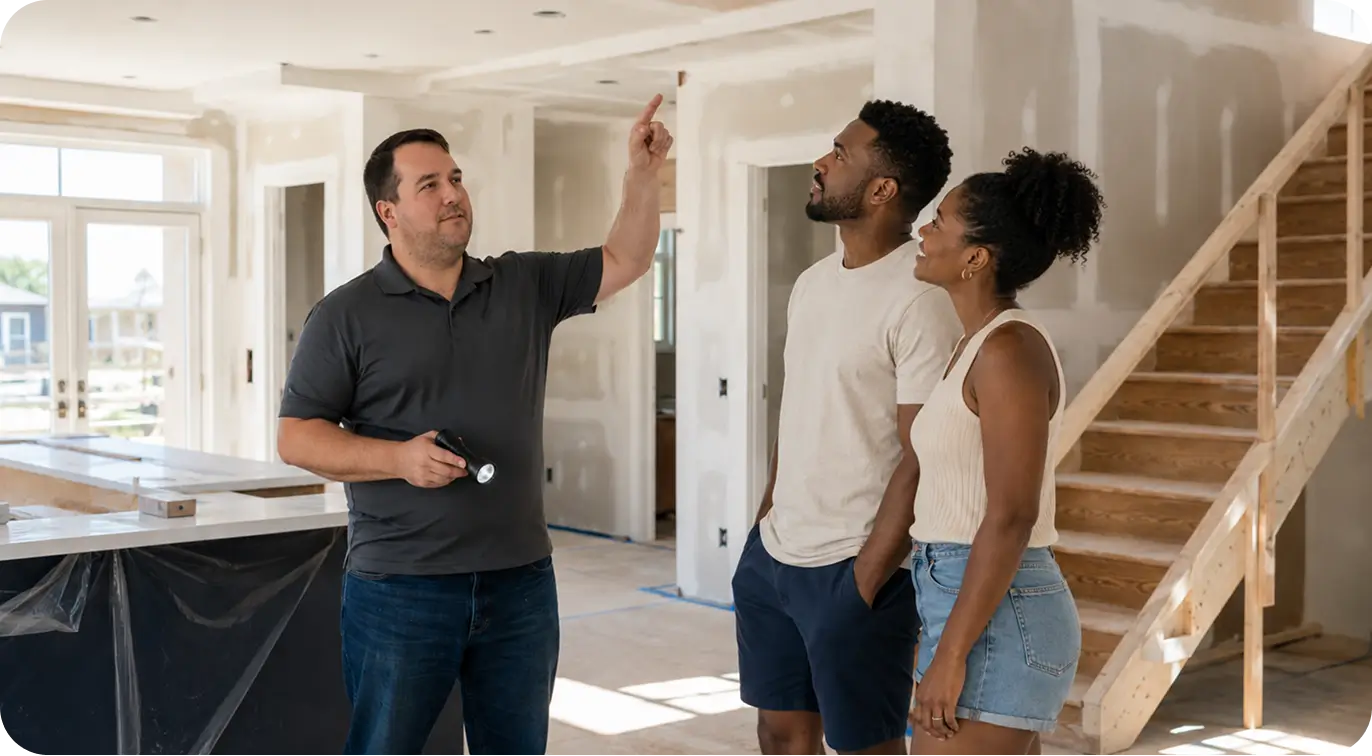
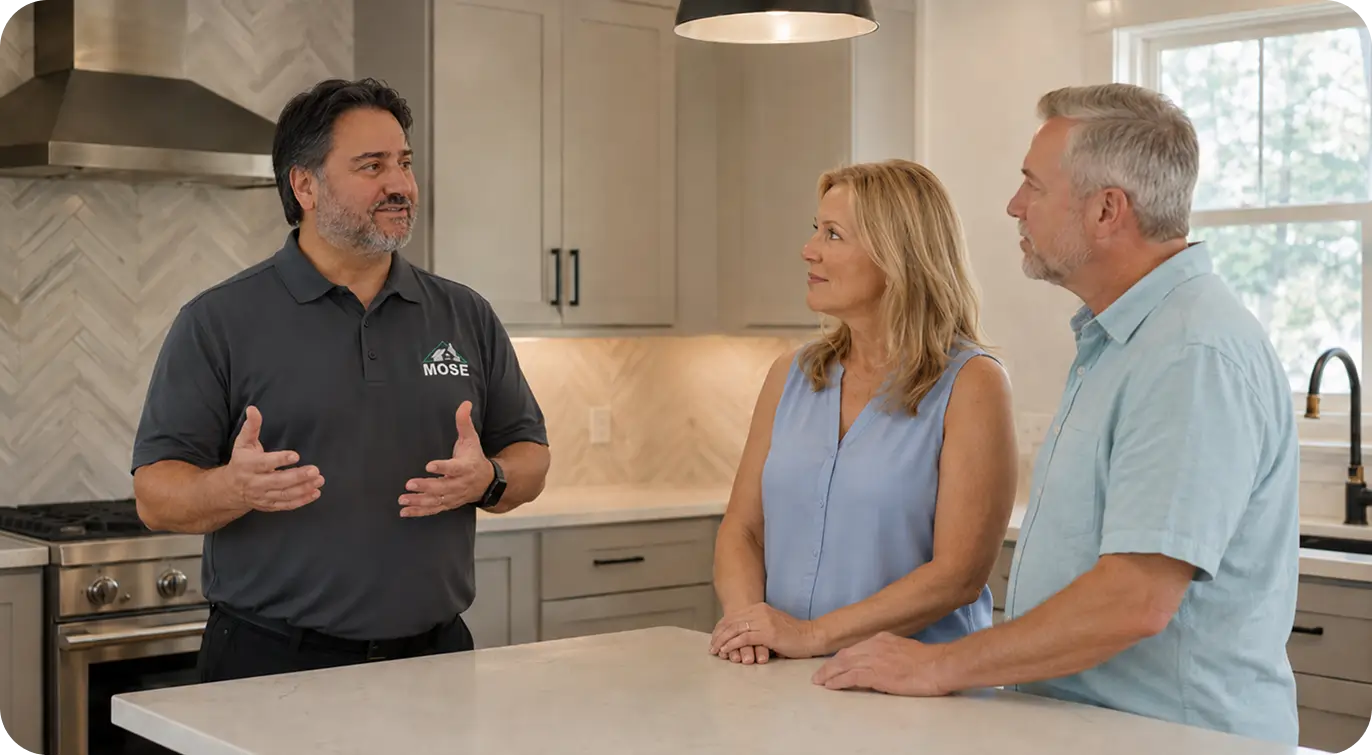
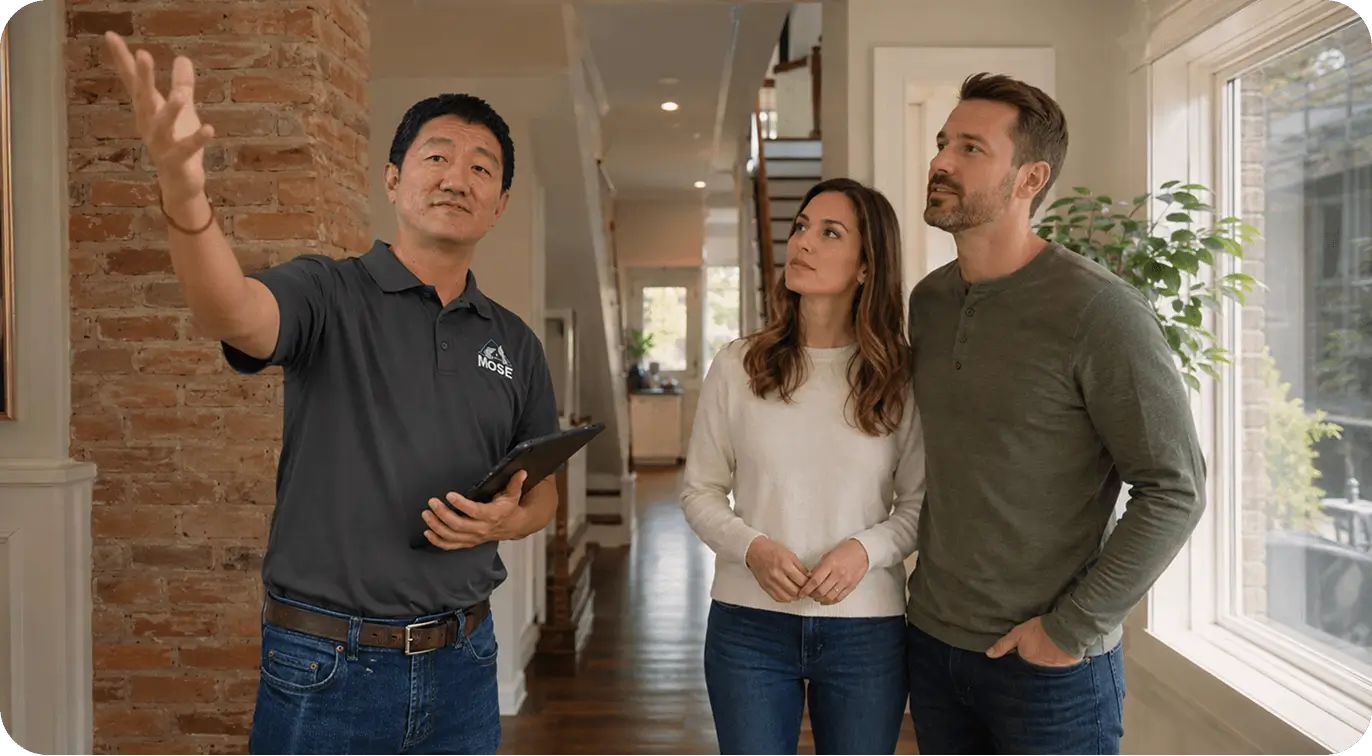
Attending the inspection gives buyers the opportunity to walk through the property with the inspector, ask questions, and better understand the observations in context. It also helps buyers learn more about maintenance priorities and how the home functions.

The written report remains essential, but being on-site can make the information easier to understand.

A home inspection is not only about identifying defects. It is also an educational opportunity for the buyer.

Myth 3: All Home Inspectors Are the Same

Not all inspection experiences are equal.

Training, field experience, reporting quality, communication style, and knowledge of local building conditions can all influence the value of the inspection.

In Montreal and surrounding areas, local experience matters. Homes across neighbourhoods such as the Plateau, West Island, Laval, Anjou, the South Shore, and Mont-Saint-Bruno can vary widely in age, construction style, renovation history, and maintenance needs.
An inspector familiar with local property types can provide clearer context and more practical explanations.

At Mose Home Inspection, inspectors are selected carefully and supported through field training before working independently under the Mose name. This helps maintain consistency, professionalism, and report quality across the team.

Myth 4: The Inspector’s Job Is to Tell Me Whether I Should Buy the House

One of the most common questions buyers ask is: “Would you buy this house?”

It is understandable. Buying a home is a major decision, and buyers naturally want guidance.
However, the inspector’s role is not to make the purchase decision, negotiate on behalf of the buyer, or judge whether the property is a good financial deal. The inspector’s role is to provide an impartial picture of the property’s visible condition.

A home inspection helps buyers understand:

  • What was observed
  • Why it matters
  • Which items may need maintenance or repair
  • Which areas may require further evaluation
  • How to better plan for ownership

The final decision belongs to the buyer, ideally with support from their real estate broker, mortgage advisor, notary, or other trusted professionals.

Myth 5: A Home Inspection Is the Same as a Property Appraisal

A home inspection and a property appraisal are not the same service

A real estate appraisal is focused on market value. It is often requested by a lender to help confirm the value of the property for financing purposes.

A home inspection is focused on the physical condition of the property. It reviews visible and accessible components such as the structure, exterior, roofing, plumbing, electrical components, insulation, interior areas, and other observable systems within the scope of a standard residential inspection.

Both services can be important, but they answer different questions.

An appraisal asks:

What is the property worth in the market?

A home inspection asks:

What is the visible condition of the property today?

Myth 6: The Inspector Can See Through Walls and Finished Surfaces

A standard home inspection is visual and non-invasive.

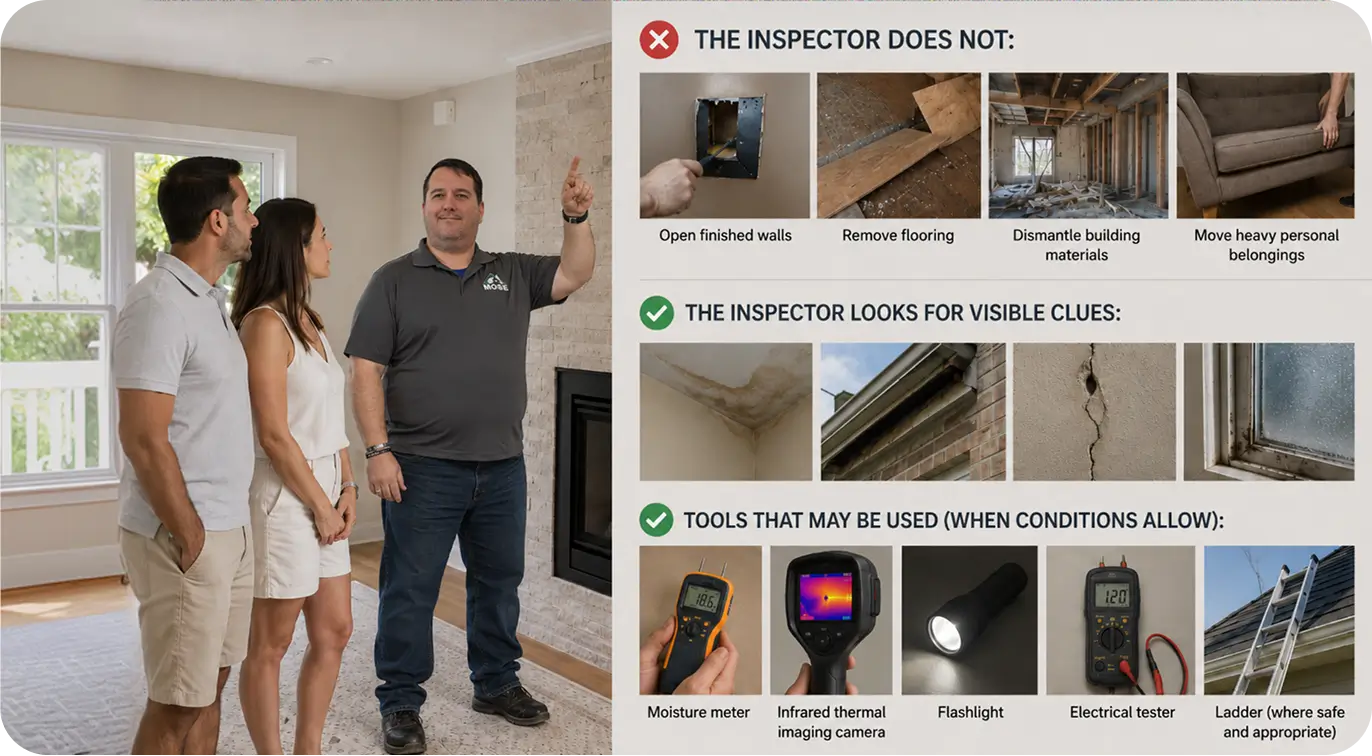
Inspectors do not open finished walls, remove flooring, dismantle building materials, or move heavy personal belongings. This protects the property and respects the seller’s home.

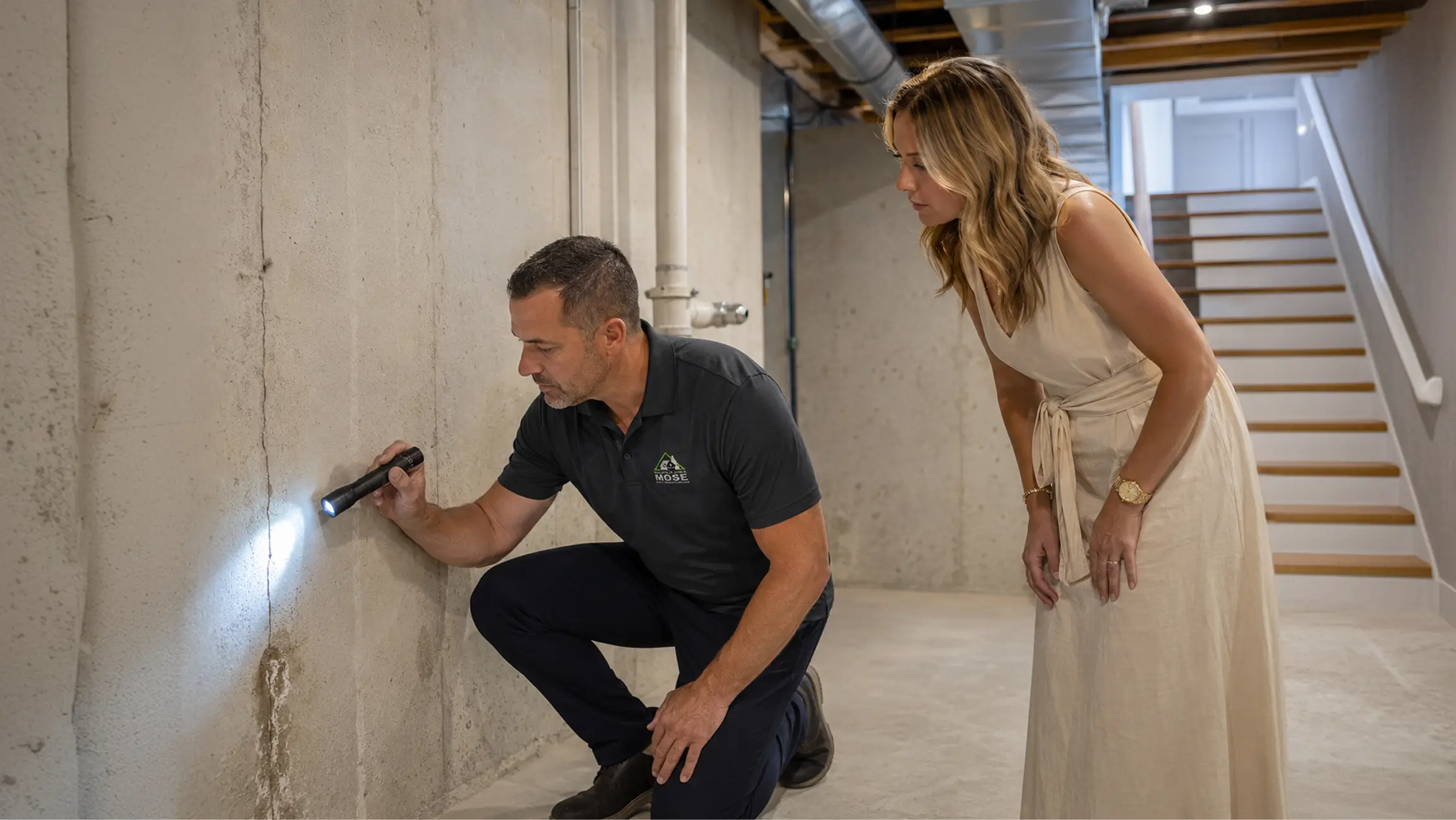
However, an experienced inspector can look for visible clues that may suggest an issue behind finished surfaces or in areas that are not directly accessible.

Depending on the conditions, inspectors may use tools such as:

  • Moisture meters
  • Infrared thermal imaging cameras
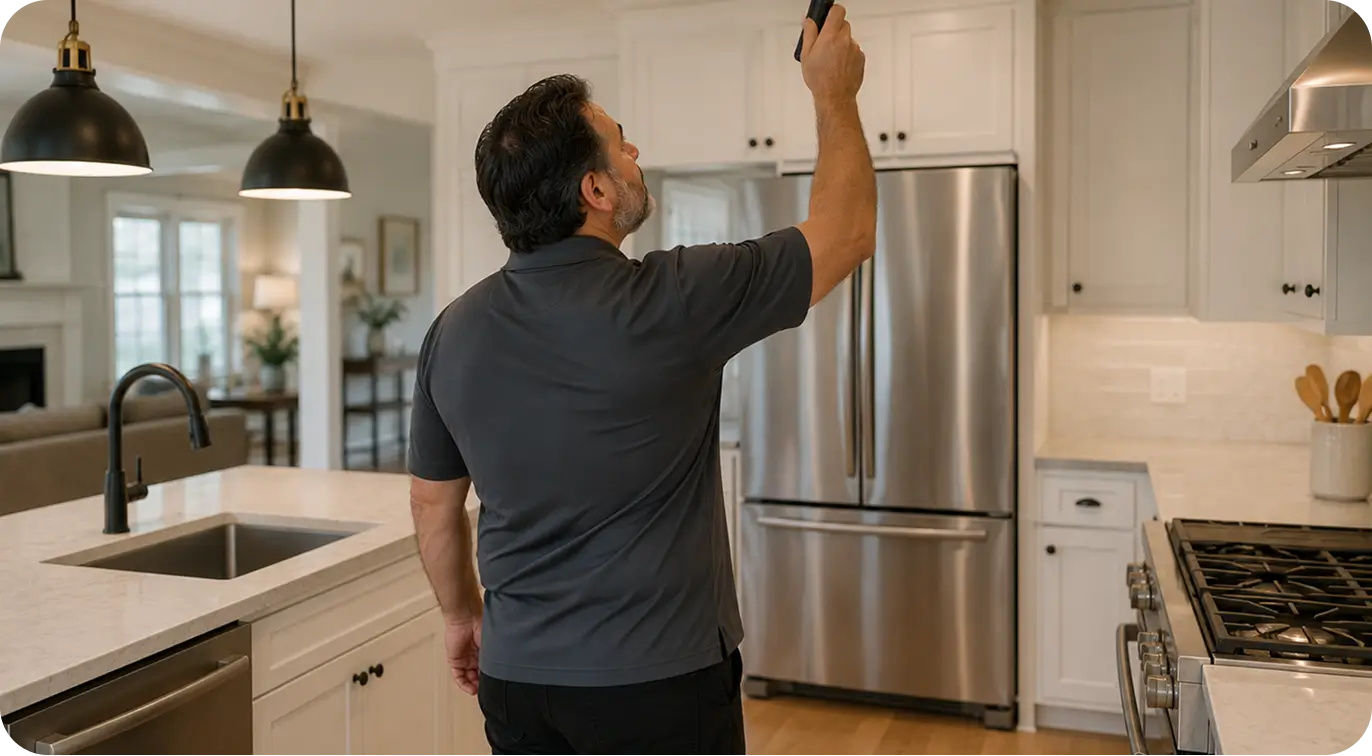
  • Flashlights
  • Electrical testers
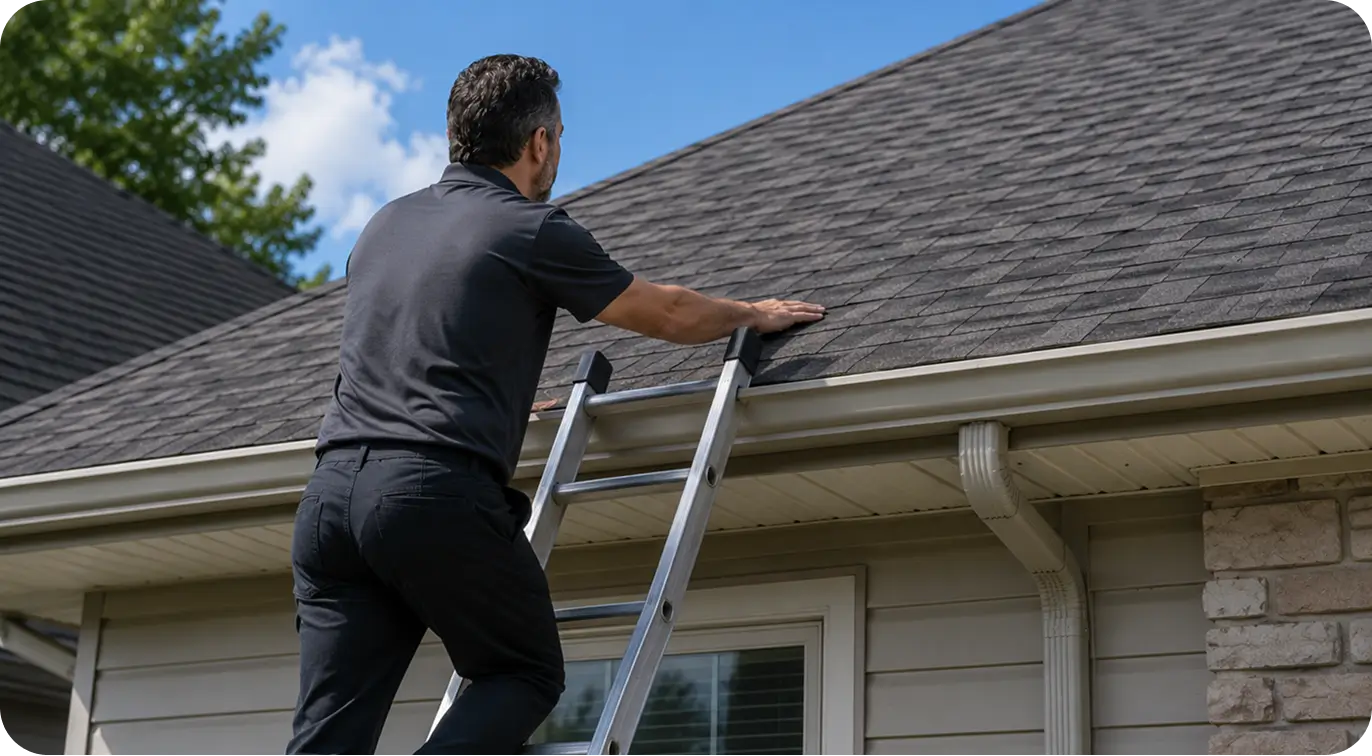
  • Ladders, where safe and appropriate

These tools can help identify moisture indicators, temperature differences, surface irregularities, or areas that may require further evaluation.

It is important to understand that these tools support the inspection process, but they do not replace specialist testing or invasive investigation when needed.

Myth 7: New Constructions Do Not Need Inspections

A newly built home or condo can still benefit from an inspection.

New construction may appear clean, modern, and move-in ready, but construction deficiencies can still occur. Some items may relate to workmanship, incomplete finishing, exterior drainage, insulation, roofing details, window and door installation, or other visible components.

A new home also may not have gone through a full cycle of seasonal use yet. In Quebec, winter conditions, spring thaw, heavy rain, and temperature changes can all affect how a building performs over time.

A new construction or pre-acceptance inspection can help buyers better understand the condition of the property before finalizing the process with the builder.

It can also help document visible items that may need attention under the applicable warranty or completion process.

Myth 8: Flipped Homes Are Always Fully Restored

A renovated or flipped property can look beautiful at first glance. New flooring, fresh paint, updated countertops, modern fixtures, and staged interiors can make a strong impression.

However, buyers should still understand the quality and scope of the renovation work.
Some renovations are well executed and properly documented. Others may focus more on cosmetic improvements while leaving important maintenance or building condition items less visible during a quick showing.

A home inspection can help buyers better understand visible signs related to:

  • Workmanship quality
  • Exterior drainage and caulking
  • Roofing and attic conditions
  • Plumbing and electrical components
  • Foundation or moisture indicators
  • Ventilation and insulation observations within the inspection scope
  • Areas where permits, documentation, or specialist review may be helpful

Buying a renovated home without an inspection may leave the buyer with less information about the quality and condition of the work completed.

Myth 9: A Home Inspector Can Predict the Exact Future of the Property

A home inspection is a snapshot of the property at a specific moment in time.

An inspector can identify visible signs of aging, wear, deterioration, installation concerns, or maintenance needs. However, no inspector can predict the exact day a component will fail or how a property will perform under every future weather condition.

For example, an inspector may note that asphalt shingles are approaching the end of their expected lifespan, but they cannot predict the precise date when replacement will become necessary.

This is why maintenance planning is important.
As a general guideline, many homeowners set aside an annual maintenance budget to help cover repairs, replacements, and ongoing care. The exact amount depends on the age, condition, size, and complexity of the property.
A home inspection can help homeowners plan more realistically by identifying visible priorities.

Myth 10: A Fast Inspection Means the House Is in Excellent Condition

A very short inspection does not necessarily mean a property has no concerns.

A thorough home inspection takes time because the inspector must review visible and accessible components carefully, document observations, answer questions, and prepare a clear report.

The exact duration depends on the property’s size, age, condition, accessibility, and complexity.
At Mose Home Inspection, a typical single-family home inspection often requires approximately 2.5 hours on site, followed by a detailed digital report delivered within a clear timeframe.

The goal is not to rush through the home. The goal is to provide a careful, organized, and useful evaluation that helps the client understand the property.

Why These Myths Matter

Home inspection myths can create confusion for buyers and sellers. Some people expect the inspector to make the final decision for them. Others believe that a new home does not need an inspection, or that a renovated property has already been fully reviewed.

In a competitive real estate market, these misunderstandings can lead buyers to make decisions with less information than they should have.

A professional inspection helps bring clarity to the process.
It helps buyers better understand the property before purchase. It helps sellers prepare more transparently before listing. It also helps homeowners plan maintenance after moving in.
The inspection is not about creating doubt. It is about creating clarity.

Home Inspections and Competitive Offers in Quebec

In Quebec, some buyers may feel pressure to waive the home inspection condition to make their offer more attractive. While this decision belongs to the buyer, it should be made carefully.

Waiving an inspection can reduce the amount of information available before purchase. It may also affect how the buyer understands future maintenance needs, repair priorities, and possible next steps.

When a property is sold without legal warranty, this becomes even more important. Buying without legal warranty can limit the buyer’s recourse after the sale. Since legal outcomes depend on the facts of each situation, buyers should speak with their real estate broker, notary, or legal advisor before making that decision.

A home inspection remains one of the most practical ways to support informed due diligence before buying a property.
Book a Home Inspection in Montreal

Whether you are buying, selling, or planning maintenance, Mose Home Inspection can help you better understand the visible condition of your property.

Our local, bilingual team provides clear reports, practical explanations, and professional guidance so you can move forward with more confidence.

online or contact our team to choose a convenient time.

Frequently Asked Questions (FAQ)

No. A real estate broker can explain market conditions and suggest ways to make an offer more competitive, but the decision to waive an inspection condition belongs to the buyer.
Before waiving an inspection, buyers should understand the risks and consult the appropriate professionals, such as their broker, notary, or legal advisor.

Buying a home without legal warranty can limit the buyer’s recourse after the sale. This is especially important if an issue is discovered later.
Because every transaction is different, buyers should seek advice from qualified real estate or legal professionals before purchasing without legal warranty.
A professional home inspection can help buyers better understand the visible condition of the property before completing the transaction.

No. A post-purchase inspection can still be useful after closing.
While it does not help renegotiate the purchase price, it can provide a practical maintenance roadmap. This can help homeowners prioritize repairs, plan renovations, and better understand the property they now own.

Yes, a new construction home or condo can still benefit from an inspection. New properties may have visible deficiencies, incomplete items, or workmanship concerns that should be documented before final acceptance.
A pre-acceptance or new construction inspection helps buyers better understand the condition of the property before moving forward.

Yes, when possible. Attending the inspection allows buyers to ask questions, see observations in context, and better understand the property.
The inspection report remains important, but being present can make the information clearer and more useful.

Insights & Tips for
Smart Homeowners