
High Hydro-Québec Bill? 7 Ways to Stop Energy Loss in Your Home

Ivan Mose
Founder and CEO, Certified
Master Inspector
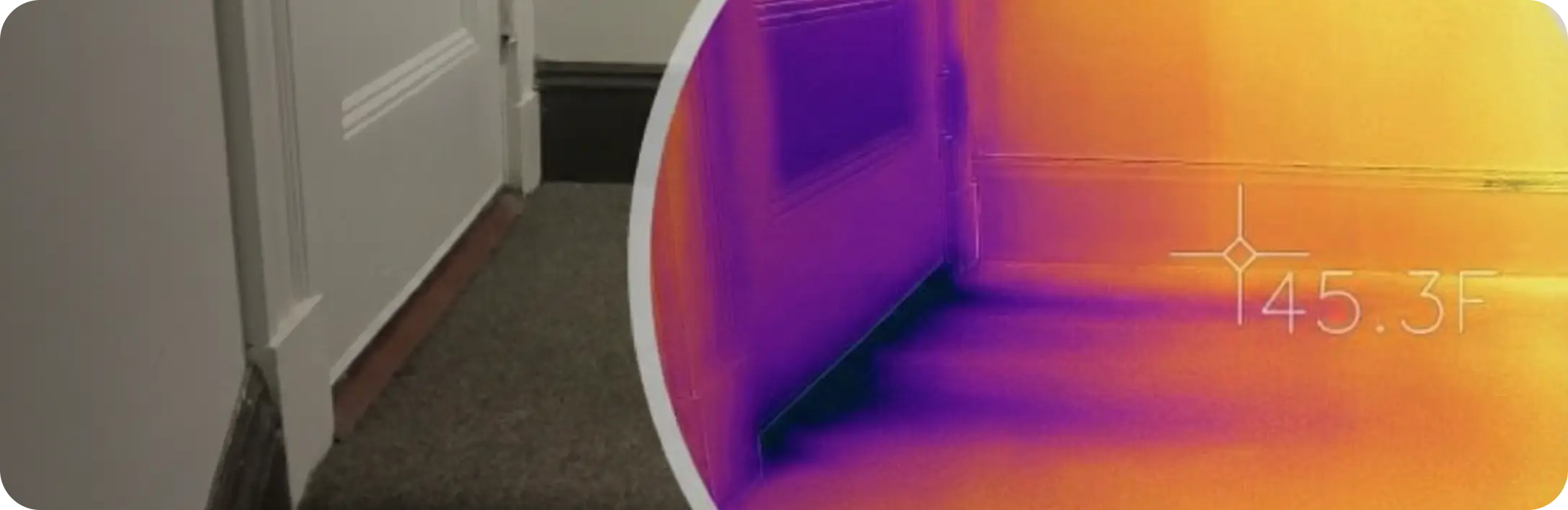
Is your Hydro-Québec electricity bill putting a hole in your wallet? The issue may not be your heating system — it could be the small air leaks and insulation gaps throughout your home.
At Mose Home Inspection, we recently consulted for a homeowner in Montreal whose electricity bill reached nearly $1,000 per month during winter. His 1932 heritage property was beautiful and well maintained, but it was quietly losing energy through stone gaps, aging insulation, and air leakage around windows and structural joints.
If your electricity costs are rising, the solution often isn’t a miracle upgrade — it’s understanding where your home is losing energy and improving the building envelope.
Here’s the simple math behind heat loss and how homeowners in Quebec can reduce energy consumption.
The Simple Math Behind Heat Loss
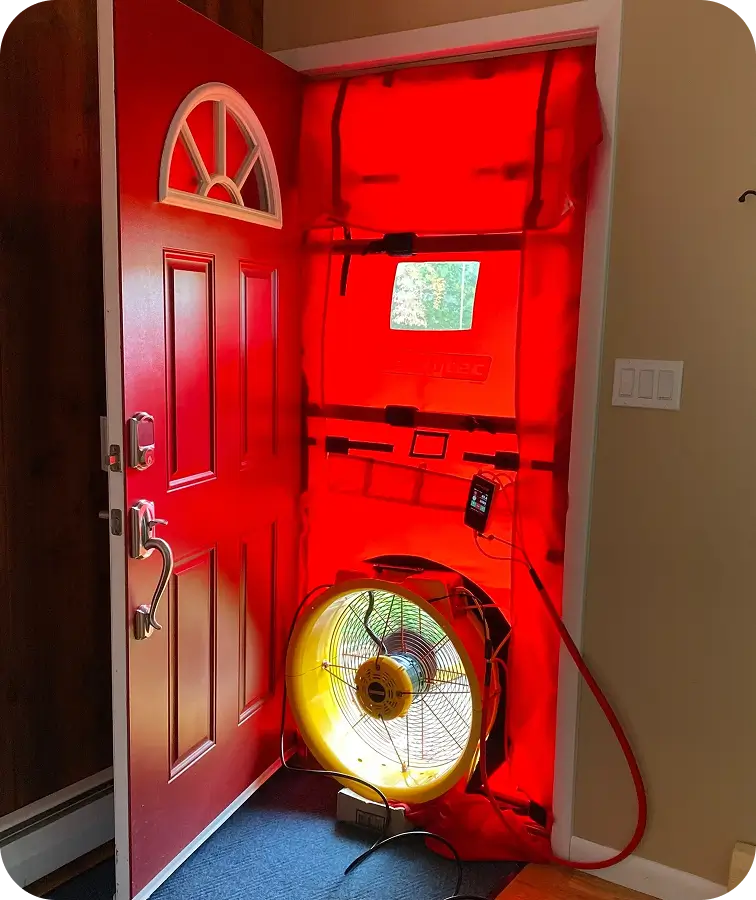
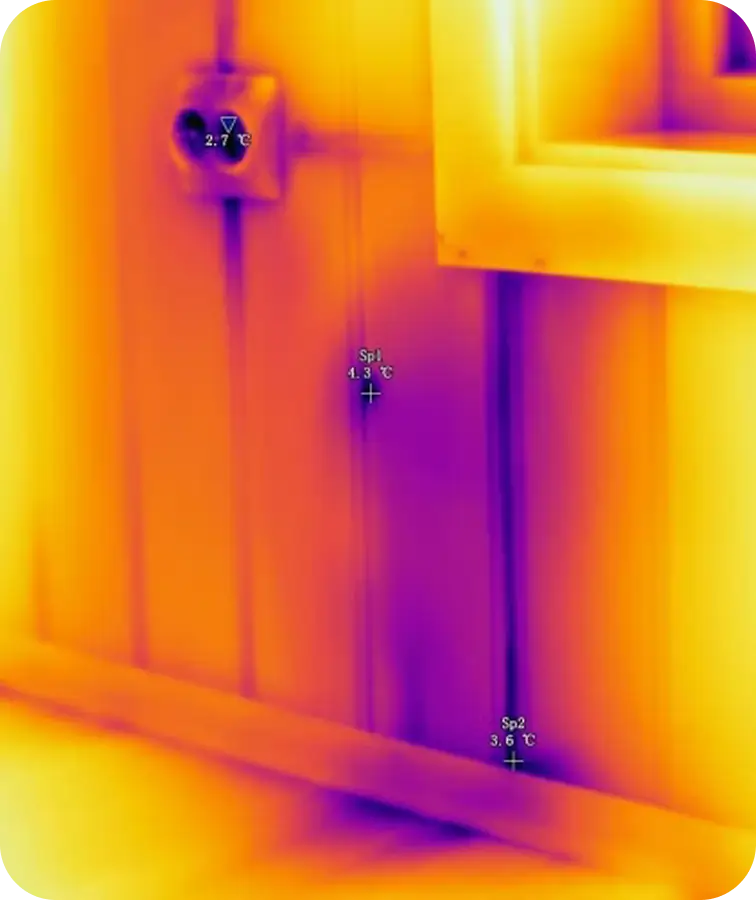
Many homeowners assume insulation thickness is the main factor in energy efficiency. While insulation is important, air leakage is often the bigger contributor to heat loss.
A commonly cited building science principle illustrates the difference:
In practical terms, sealing drafts can sometimes be significantly more effective than simply adding more insulation. That’s why improving air sealing and ventilation balance is often the first step in reducing a Hydro-Québec bill.
The Basement Problem Many Montreal Homes Have
Basements are often one of the largest sources of energy loss, especially in older homes built before modern insulation standards. Uninsulated concrete foundation walls allow heat to escape directly into the surrounding soil.
A common rule used by energy consultants suggests: For every 12 inches (30 cm) of exposed uninsulated basement wall, a homeowner may spend approximately $10 per year in additional heating costs.
Consider this example:
40 feet of exposed basement wall × $10 per year
= $400 annually in energy loss
Over 25 years, that equals:
$10,000 in unnecessary heating costs.
Adding insulation to basement walls can significantly improve both comfort and energy efficiency.
A Simple Humidity Indicator
There is a quick way homeowners can estimate whether their home is leaking excessive air.
During cold winter weather in Quebec, indoor humidity levels often provide a clue.
If your home cannot maintain humidity above 35% when outside temperatures drop below -10°C, it may indicate that cold outdoor air is entering the home too quickly. Many pre-1970 homes in Montreal experience this issue due to older construction methods and aging insulation systems.
Improving air sealing often stabilizes humidity and increases indoor comfort.
7 Practical Ways to Reduce Your Hydro-Québec Bill
Improving energy efficiency does not always require major renovations. However, many of the most impactful upgrades involve an initial investment that can pay off over time.
Where Your Electricity Usage Actually Goes
According to Hydro-Québec, the average household electricity consumption typically breaks down as:
Heating and air conditioning
54 %
Water heating
20 %
Appliances and electronics
18 %
Lighting and other uses
8 %
Because heating represents the largest portion, improvements to insulation and air sealing can have the greatest impact on your energy bill.
Small Habits That Also Save Money
Small changes can also reduce electricity consumption. Examples include:
While these numbers seem small individually, combined changes can noticeably reduce monthly expenses.
Final Thoughts
High Hydro-Québec bills are often caused by air leaks, poor insulation, and aging building systems.
Understanding how your home loses heat is the first step toward improving comfort and reducing electricity consumption.
A professional home inspection or energy consultation can help homeowners identify insulation gaps, ventilation problems, and other conditions that contribute to energy loss.