10 Spring Home Maintenance Tasks Every Montreal Homeowner Should Know

Spring in Montreal is one of the most important times of year for home maintenance. After months of freezing temperatures, snow, ice buildup, and road salt, your home benefits from a careful seasonal check to make sure key systems are ready for warmer, wetter weather.

While many homeowners focus on patios and outdoor furniture, spring is also the ideal time to review the systems that help keep your home dry, safe, and efficient.

At Mose Home Inspection, we’ve compiled 10 practical tasks that can help homeowners stay ahead of seasonal wear and better protect their investment.
The Ultimate Spring Home 
Maintenance Checklist

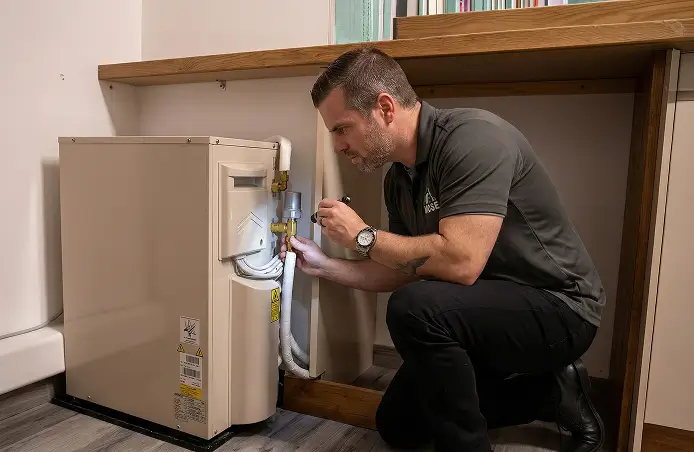
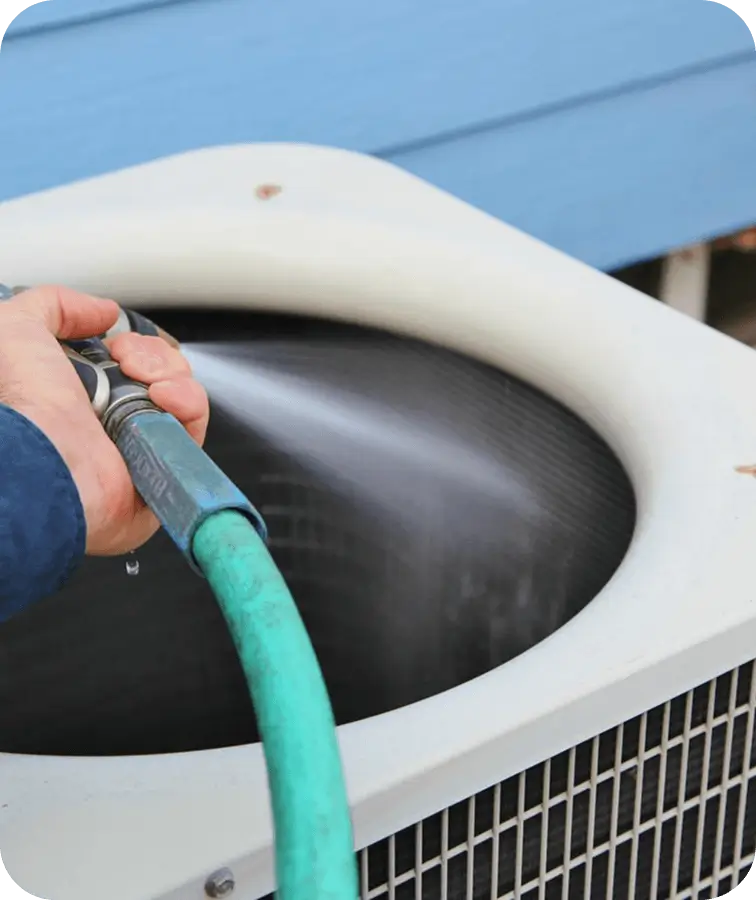
1. Clean the Air Conditioning Condenser

Before the first heatwave arrives, it’s a good idea to give your air conditioning unit some attention.

The task:

Shut off the power to the unit using the exterior disconnect switch or breaker. Gently rinse the condenser exterior to remove debris, dust, and buildup, following manufacturer recommendations.

Why it matters:

A dirty condenser can make the system work harder, which may reduce efficiency and increase energy costs.

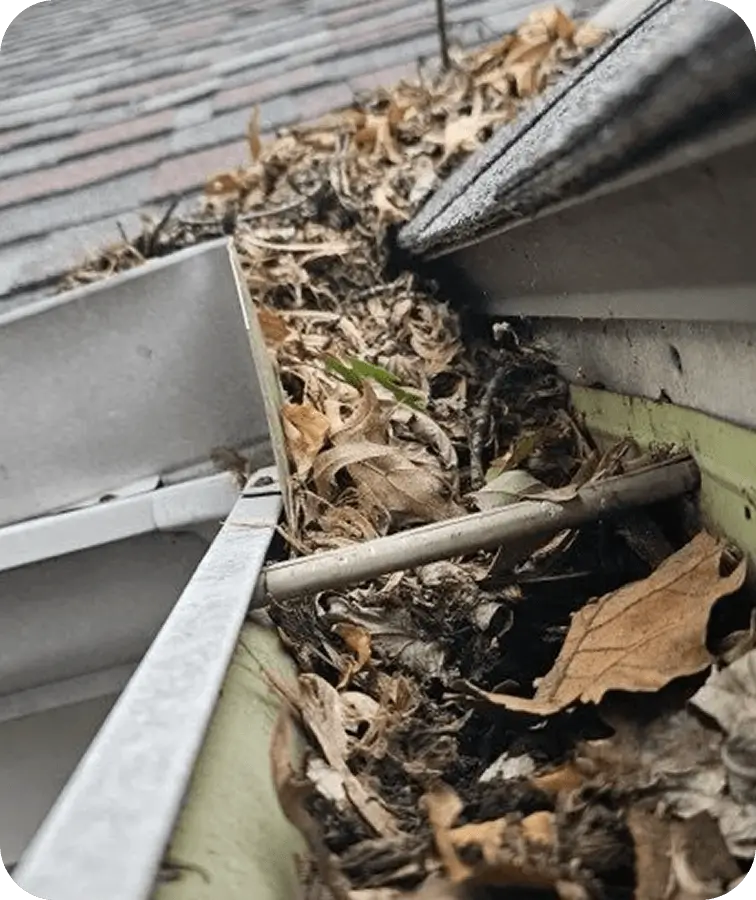
2. Clear Gutters and Downspouts

Winter often leaves behind leaves, grit, and debris in the drainage system.

The task:

Remove buildup from gutters and flush the downspouts with water to confirm proper flow.

Helpful tip:

Make sure downspouts discharge at least 6 feet away from the foundation to help reduce moisture buildup near the basement walls.

Why it matters:

Proper drainage helps reduce the risk of water accumulation near the foundation.

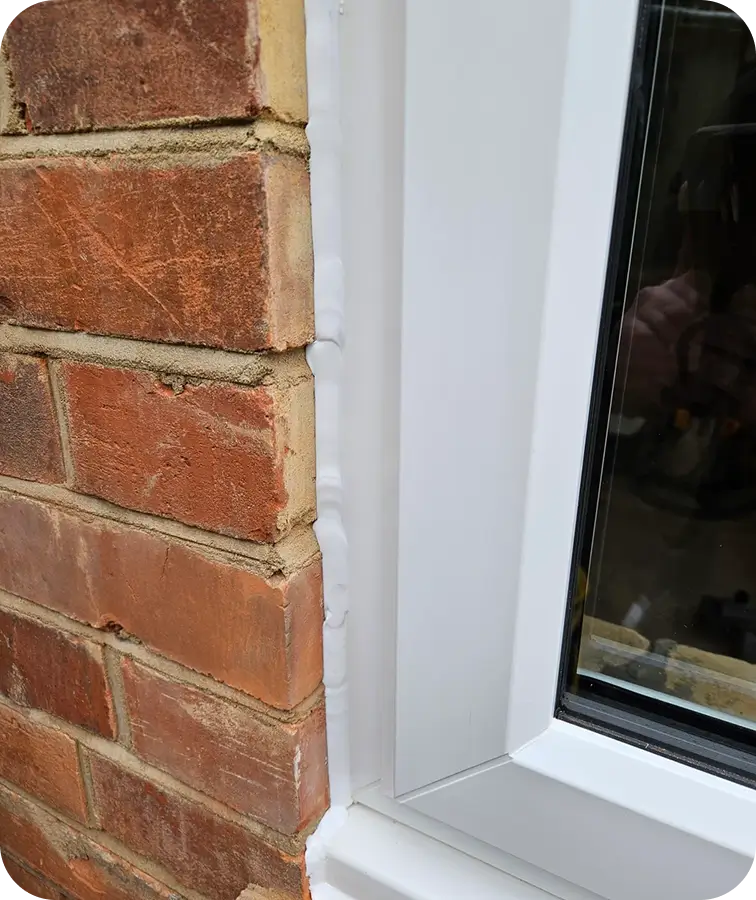
3. Inspect Window and Door Caulking

Freeze-thaw cycles can cause materials to expand and contract, which may crack or loosen old caulking.

The task:

Inspect the perimeter of windows and doors. Remove cracked or peeling sealant and apply new exterior-grade caulking where needed.

Why it matters:

Good sealing helps reduce water infiltration and supports energy efficiency.

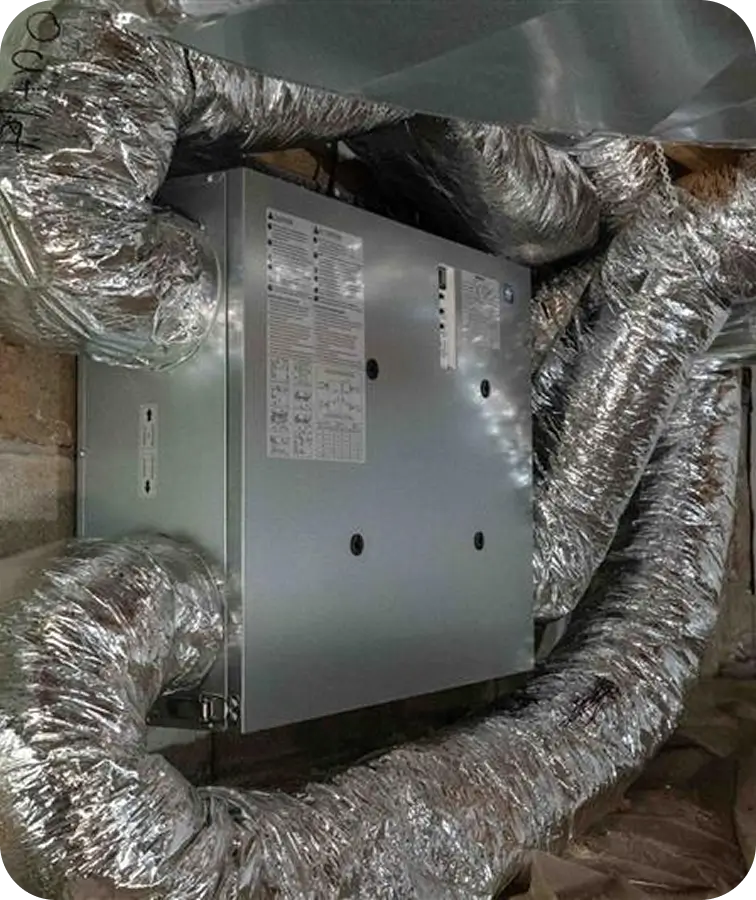
4. Service the Air Exchanger (HRV/ERV)

After a winter of closed windows, your air exchanger has likely been working continuously.

The task:

Clean or replace the filters as recommended, vacuum the interior core if applicable, and check the exterior intake and exhaust vents for debris or obstructions.

Why it matters:

Proper ventilation supports indoor air quality and helps manage humidity.

5. Test the Garage Door Safety Reverse

This is a simple but important seasonal safety check.

The task:

Place a solid object, such as a 2×4, in the path of the garage door. If the door does not automatically reverse after making contact, the system should be adjusted or evaluated.

Why it matters:

A functioning safety reverse system is important for households with children, pets, or frequent garage use.

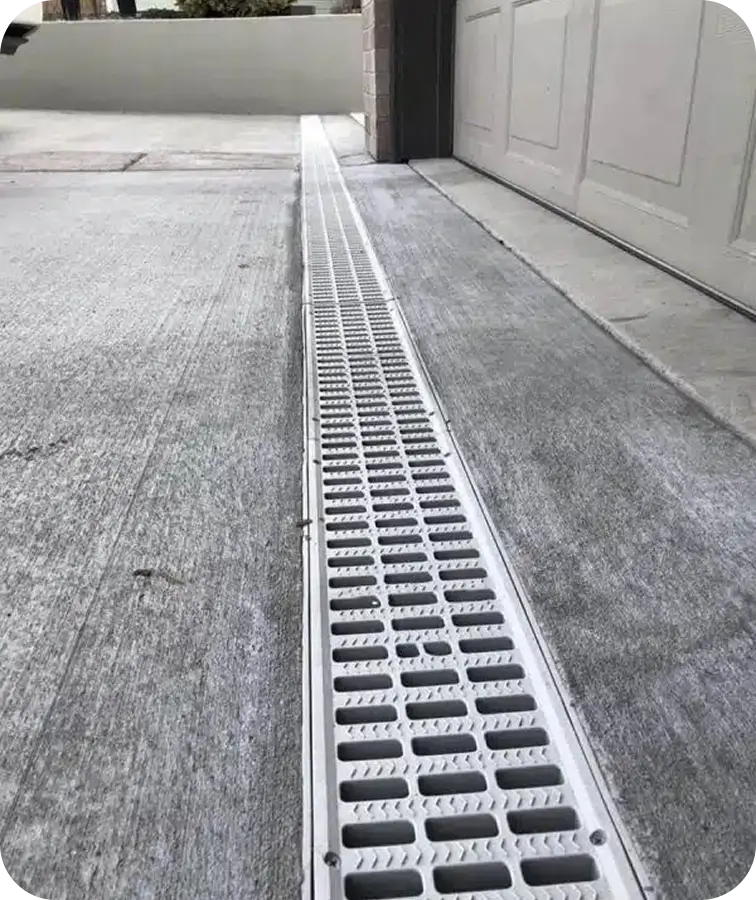
6. Flush the Garage Floor Drain

Salt, sand, and debris often collect in garage drains over the winter.

The task:

Pour a bucket of water with a little soap down the drain to help flush out winter residue.

Helpful tip:

If you notice sewer odours in the garage, the drain trap may have dried out. Refilling it with water may help, and a small amount of mineral oil can sometimes help slow evaporation.

Why it matters:

Keeping the drain clear can improve drainage performance and reduce odours.

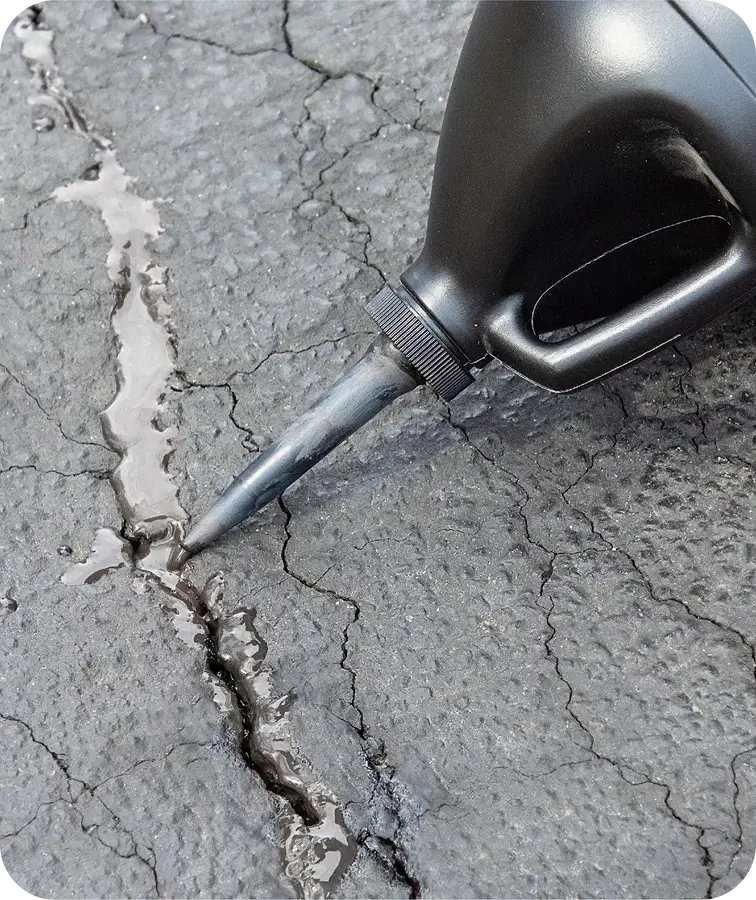
7. Seal Driveway Cracks

Small asphalt cracks can become larger after another season of water infiltration and freezing.

The task:

Clean cracks with a wire brush, rinse them, and fill them with a suitable crack filler.

Why it matters:

Sealing cracks can help reduce further deterioration and extend the life of the driveway surface.

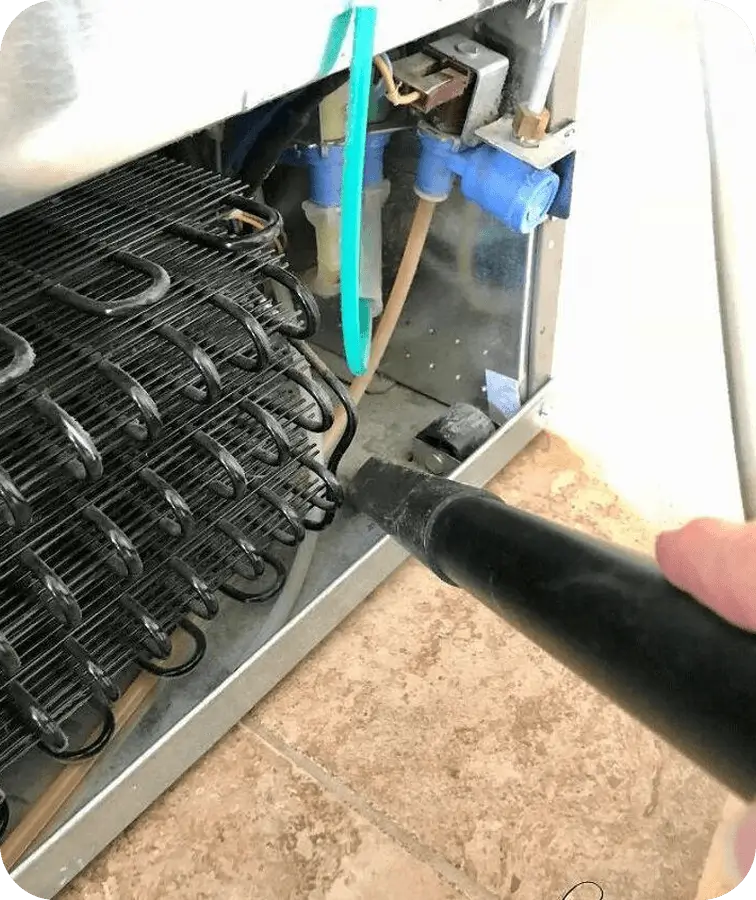
8. Clean Refrigerator Coils

This is a small maintenance task that is easy to overlook.

The task:

Vacuum the dust from the coils at the back or beneath the refrigerator, depending on the model.

Why it matters:

Cleaner coils can help the appliance run more efficiently and reduce unnecessary energy use.

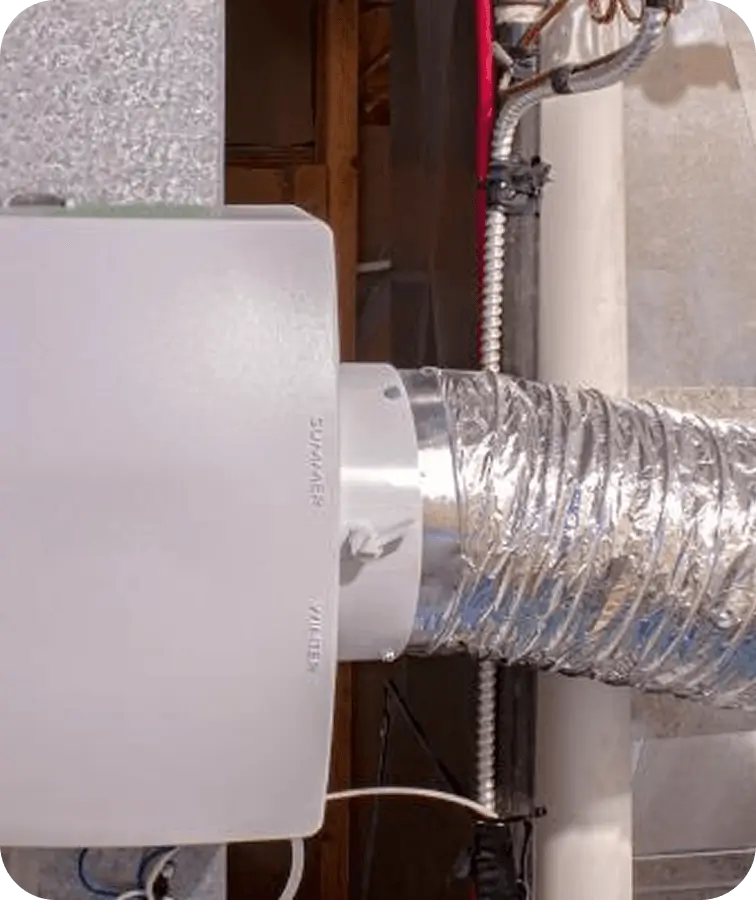
9. Switch the Humidifier to Summer Mode

A furnace-mounted humidifier may need a seasonal adjustment once winter ends.

The task:

Locate the bypass damper and set it to the “summer” or “closed” position, depending on the system.

Why it matters:

Leaving the humidifier in winter mode during humid months can contribute to excess moisture and condensation in the ductwork.

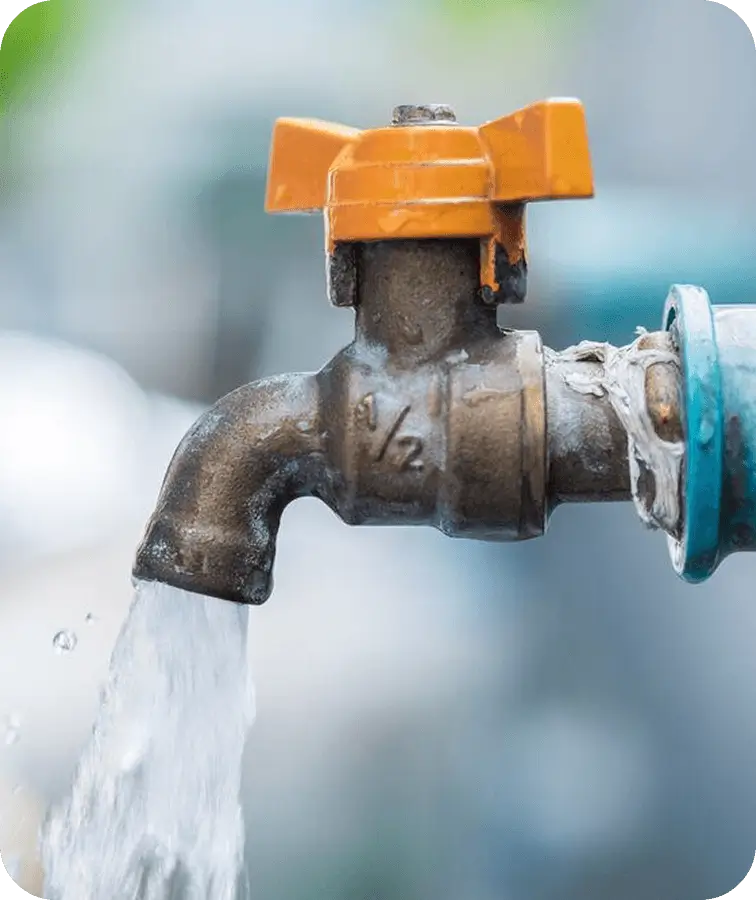
10. Check Exterior Faucets

Outdoor faucets should be checked in spring before regular use begins.

The task:

Turn on the exterior water supply and observe the faucet closely for leaks or unusual flow.

One concern to watch for:

If a hose was left attached over winter, freezing may have damaged the pipe inside the wall. If water pressure seems low, or if you hear water running inside the wall, turn the faucet off and consult a plumber.

Why it matters:

Identifying a damaged exterior faucet early can help prevent hidden water damage.

Final Thoughts

A seasonal maintenance routine helps homeowners stay ahead of small issues before they become more expensive repairs. In Montreal, spring is the ideal time to review how your home came through the winter and prepare for the months ahead.

If you recently purchased your home or want a clearer maintenance roadmap, a property condition assessment can help identify the areas that deserve attention this season.

Prepare your home for the year ahead. Book your spring maintenance inspection online today.

Frequently Asked Questions (FAQ)

Only if you feel safe and comfortable using a ladder in those conditions. For higher or more difficult rooflines, hiring a professional gutter cleaning service may be the safer option.

As the ground thaws, moisture levels around the foundation often rise. Make sure your gutters are clear and your sump pump is functioning properly. If indoor humidity remains elevated, it may be worth reviewing ventilation and moisture management strategies.

Insights & Tips for
Smart Homeowners