Water Heater Maintenance & Safety: The Ultimate Dos and Don’ts

Nothing makes you appreciate a hot shower like a Montreal winter.

After hours of shoveling snow in freezing temperatures, your water heater becomes the unsung hero of your home. However, without proper care, this essential system can quickly turn into a costly emergency — or even cause major water damage.

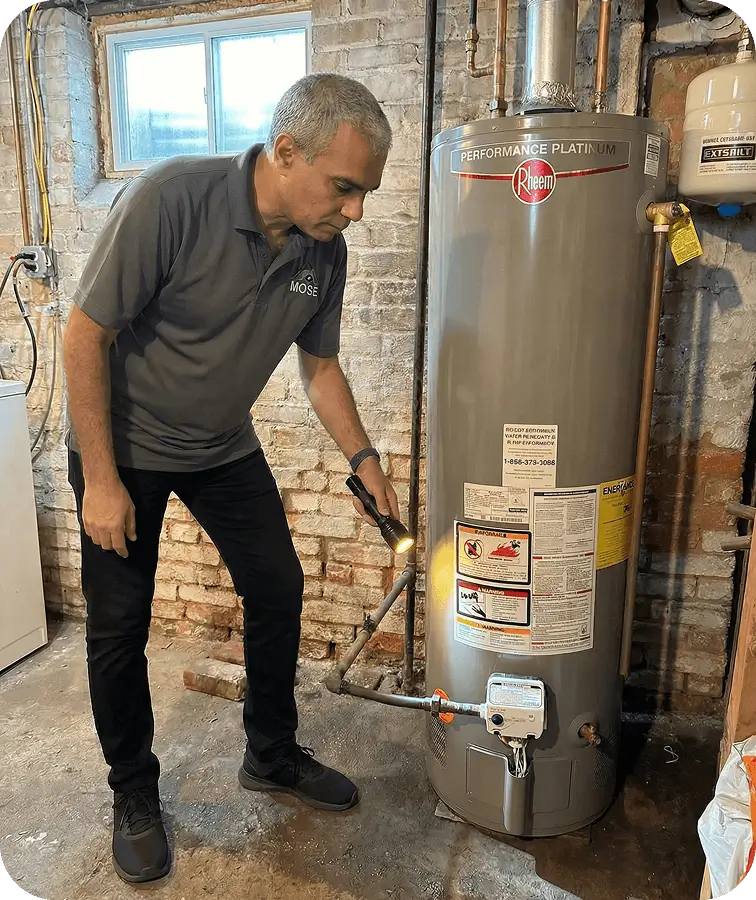
At Mose Home Inspection, we inspect water heaters every day across Montreal and Quebec. Whether you are maintaining an existing unit or planning for a replacement, these essential Dos and Don’ts will help protect your investment and your home.
The “Dos” of Water 
Heater Maintenance

1. DO Choose the Right Tank Size

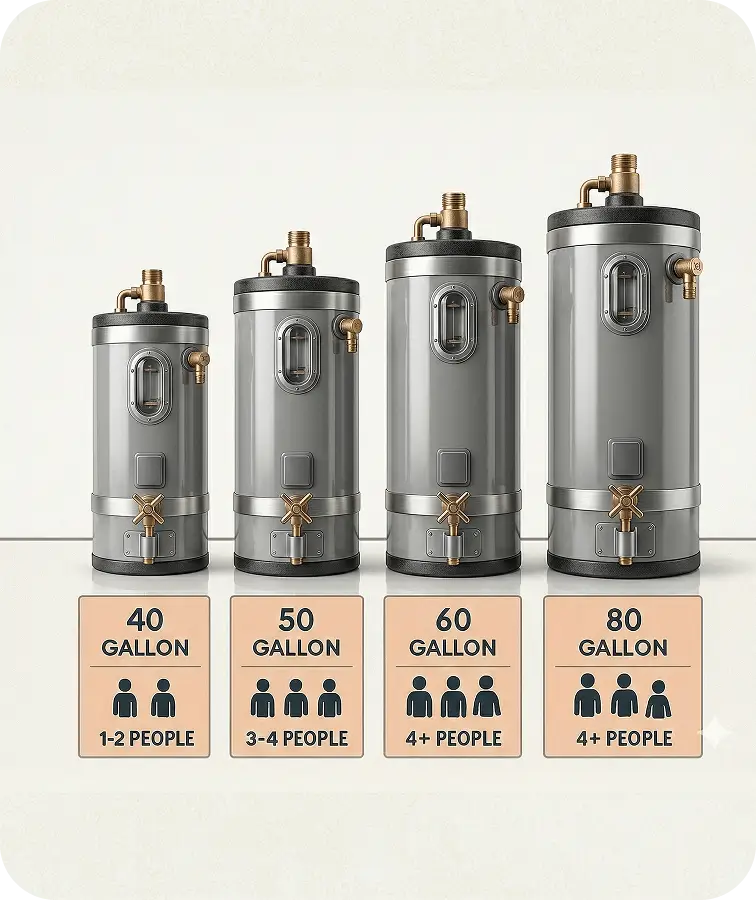
If hot water runs out too quickly, your tank may be undersized.

As a general guideline:

  • A family of four often requires a tank of at least 60 gallons (227 L)

Proper sizing improves comfort and reduces system strain.

2. DO Follow Temperature Safety Guidelines

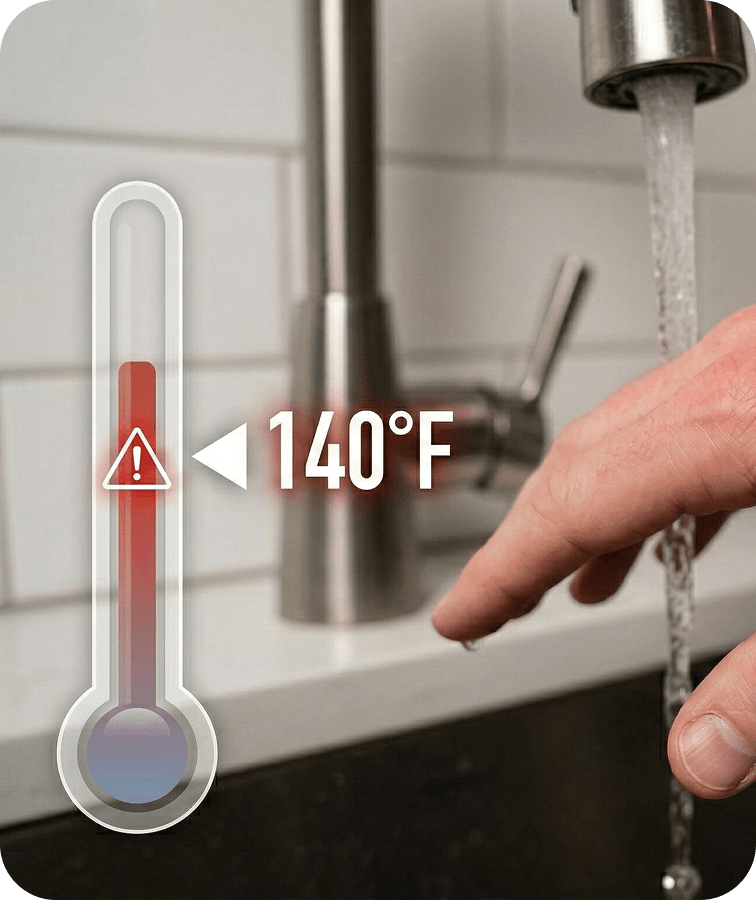
Set your water heater to 120°F (49°C).
This temperature:

  • Helps prevent scalding
  • Limits bacterial growth
  • Improves energy efficiency

Pro Tip: When leaving for vacation, use “Vacation Mode” or the lowest setting to reduce system pressure and energy use.

3. DO Flush the Tank Annually

Over time, minerals and sediment accumulate at the bottom of the tank.
This buildup:

  • Reduces efficiency
  • Causes overheating
  • Accelerates corrosion

Recommendation: Flush the tank once per year through the drain valve.

4. DO Ensure Proper Placement and Access

Your water heater should remain easily accessible.
Blocked or hidden units can allow small leaks to go unnoticed, leading to:

  • Mold growth
  • Structural damage
  • Insurance complications

5. DO Install Leak Protection When Possible

In finished basements and condominiums, added protection is essential.
Consider:

  • A drain pan under the tank
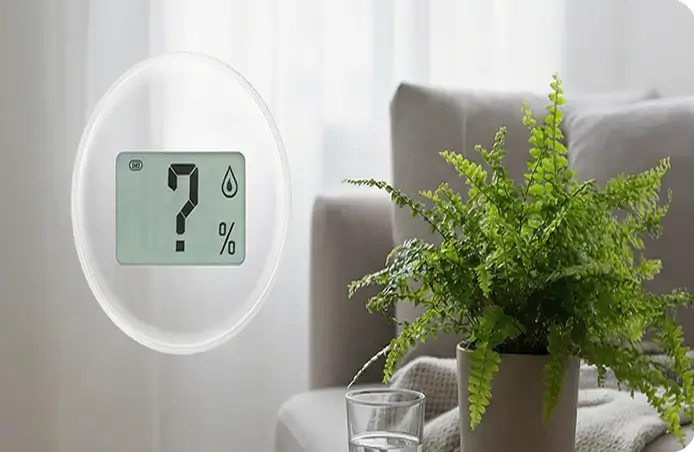
  • A water leak detector
  • An automatic shut-off valve (where applicable)

These devices can prevent major water damage.

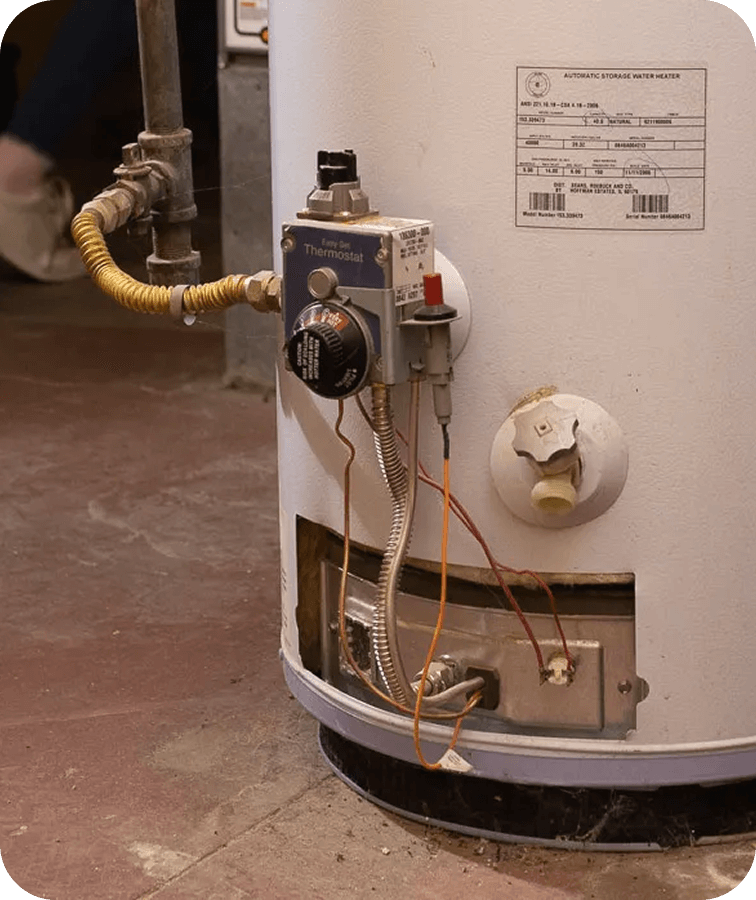
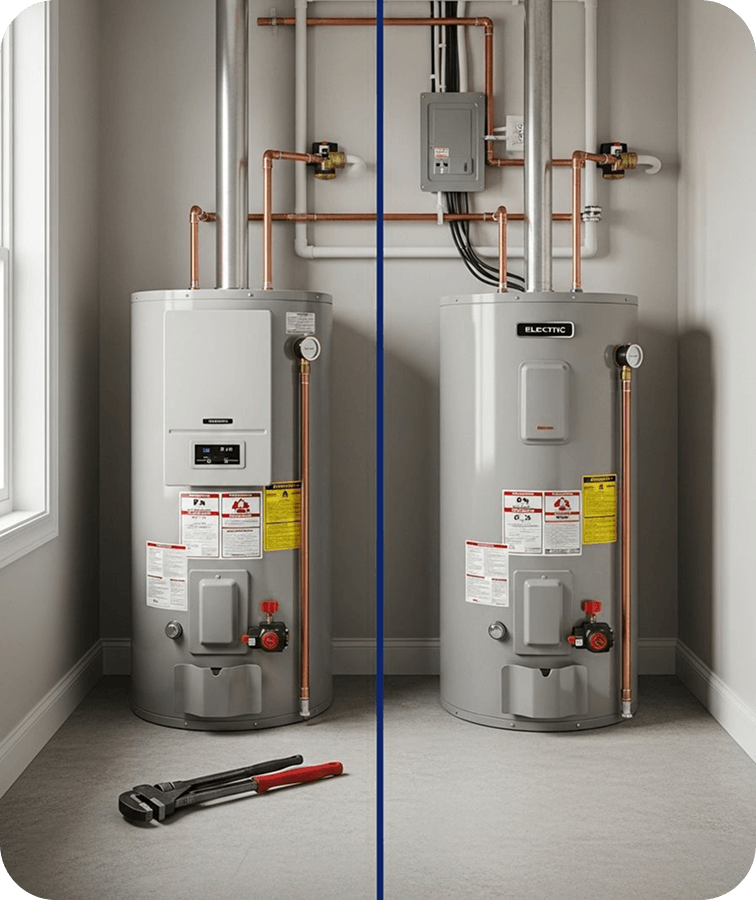
6. DO Understand Your System Type (Gas vs Electric)

Maintenance varies by system:
Gas Water Heaters

  • Require proper venting
  • Need adequate combustion air
  • Must have secure exhaust connections

Electric Water Heaters

  • Require safe electrical connections
  • Depend on functioning heating elements

Understanding your system improves safety and performance.

⚠️ The “Don’ts” of 
Water Heater Safety

7. DON’T Store Items Near the Heater

Keep flammable materials at least 18 inches (45 cm) away.

Avoid storing:

  • Paint
  • Cardboard
  • Cleaning chemicals

This reduces fire risk.

8. DON’T Ignore Warning Signs

Contact a professional if you notice:

  • Rust-coloured water
  • Rumbling or popping noises
  • Moisture around the base
  • Temperature fluctuations

Early action prevents major failures.

9. DON’T Ignore the “10-Year Guideline”

In Quebec, many insurance companies recommend replacing water heaters every 10 years.
Older tanks carry higher leak risk and may affect coverage. Always verify with your insurer.

Inspector’s Insight – From the Field

During inspections, we frequently find water heaters installed without proper drainage, clearance, or protection. These small details often become major insurance claims later.
Preventive maintenance saves thousands.

How Old Is Your Water Heater?

If you’re unsure of your unit’s age:

  • Check the manufacturer’s label
  • Review your Mose Inspection Report

Our reports document the age, installation, and visible condition of water heaters.

Why Water Heaters Matter During Inspections

During a home inspection, water heaters are evaluated for:

  • Age
  • Safety
  • Unusual or suspect installations
  • Leakage

During a home inspection, the condition and age of a water heater may become a discussion point if the unit shows signs of wear or potential failure.

Ready to Buy or Sell?

and get clear, professional insight into your home’s vital systems.

Frequently Asked Questions (FAQ)

Usually caused by sediment buildup trapping boiling water. Annual flushing helps prevent this.

Check the manufacturer’s label. If missing, the serial number often indicates the production date.

This may result from the anode rod reacting with minerals, or from plumbing ventilation issues. Consult with a qualified plumber

In many cases, replacing an aging tank can reduce buyer concerns and prevent last-minute negotiations.

Inspectors perform visual and functional evaluations but do not measure internal efficiency.

Insights & Tips for
Smart Homeowners