Sewer Smell in Your House? The Mystery of the Dry P-Trap

It’s mind-baffling. You start smelling “it”—that unmistakable, nose-scrunching odor.

You find yourself checking the dog’s paws, looking for an unflushed toilet, or searching for a forgotten poopy diaper in the nursery. But everything is clean. So, where is that smell coming from?
Usually, if your nose is leading you to a floor drain or a sink you rarely use, you aren’t dealing with a mess; you’re dealing with a physics problem. Specifically, a P-trap problem.

At Mose Home Inspection, we see this all the time, especially in older homes with unique plumbing quirks. Here is how to identify the issue and fix it with nothing more than a bucket of water.

What is a P-Trap? (No, it’s not what you think)

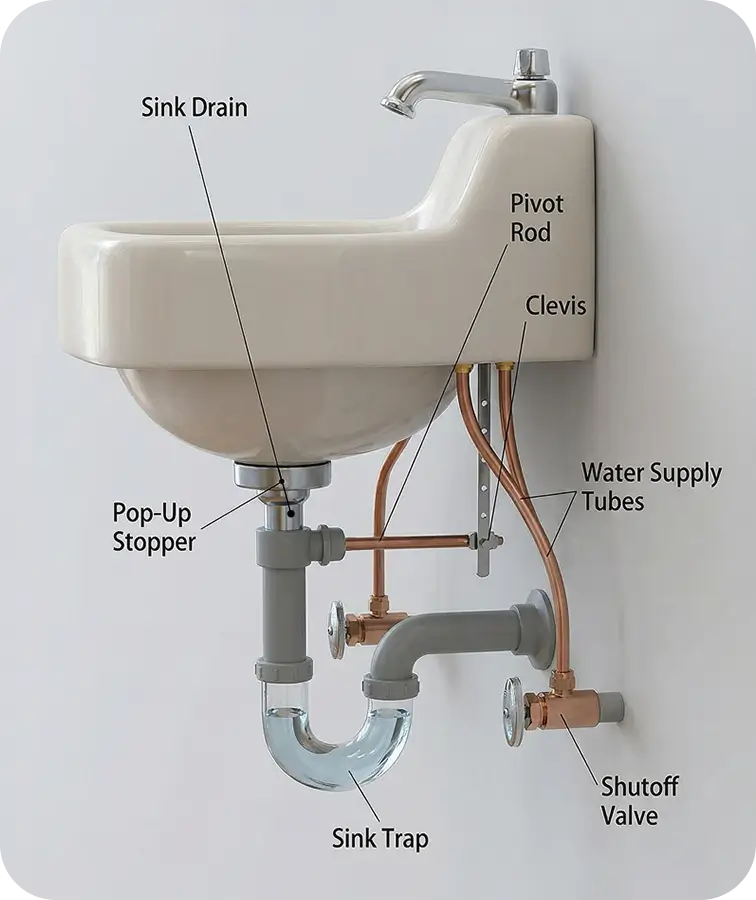
Take a look under any sink in your home. See that “U” shaped bend in the pipe? That is your P-trap. Despite the name, it has nothing to do with what you do in the bathroom. It’s named “P” because if you turn it on its side, it vaguely resembles the letter.

How it Works: The Water Barrier

The P-trap’s job is simple but vital: it stays filled with a small amount of water. This water acts as a physical “plug” or seal. It lets waste go down, but it prevents sewer gases from coming up into your living space.

The Ventilation Factor

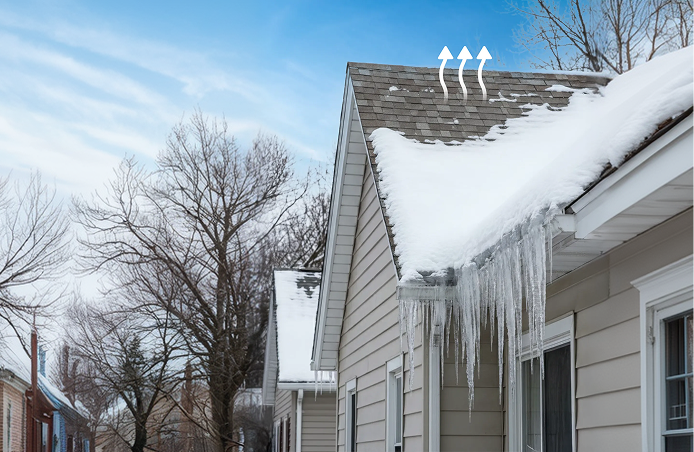
Plumbing needs air to move. Think of a large detergent bottle—if you don’t crack the cap to let air in, the liquid glugs and stops. Your home’s vent pipes go up through the roof to provide this “breathing” room. If a vent is blocked (by ice or a bird’s nest), it can actually suck the water right out of your P-trap, leaving the door wide open for sewer smells.

Why the Smell Comes and Goes

Sometimes the smell is only there on rainy days or when it’s freezing outside. This is often due to “negative pressure.” Your house is essentially acting like a giant straw, sucking odors from the city’s main sewer system when pressure changes occur.
The 2-Minute Solution: The Bucket Trick

If you have a floor drain in the basement or a guest bathroom sink that hasn’t been used in months, the water in the P-trap has likely just evaporated.

The Fix:

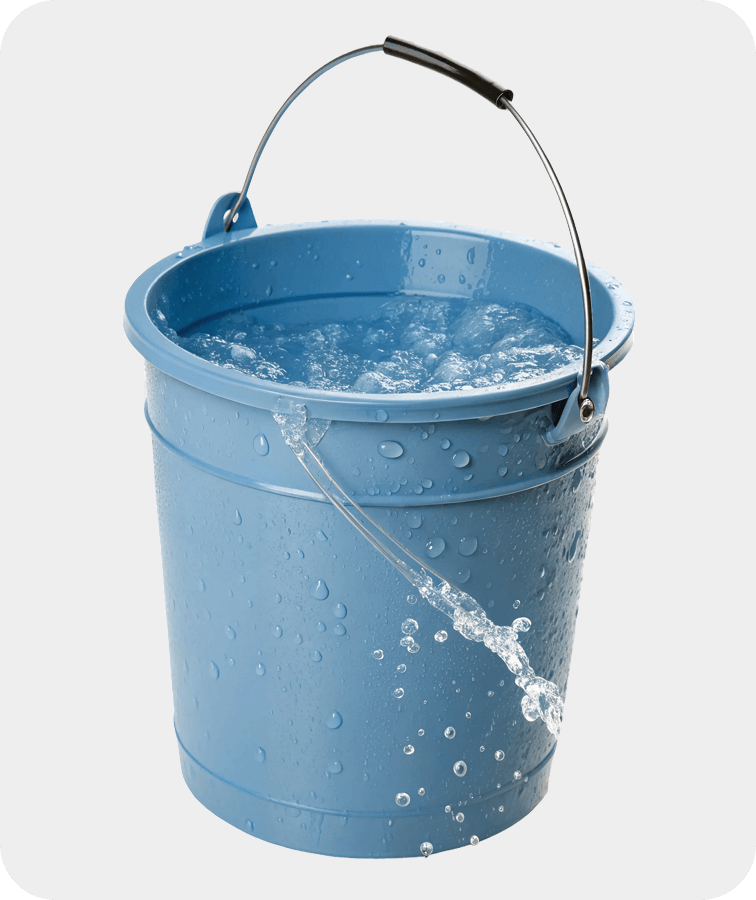
1. Pour a bucket of water

down the drain. This refills the trap and restores the seal.

Add the “Secret Sauce”

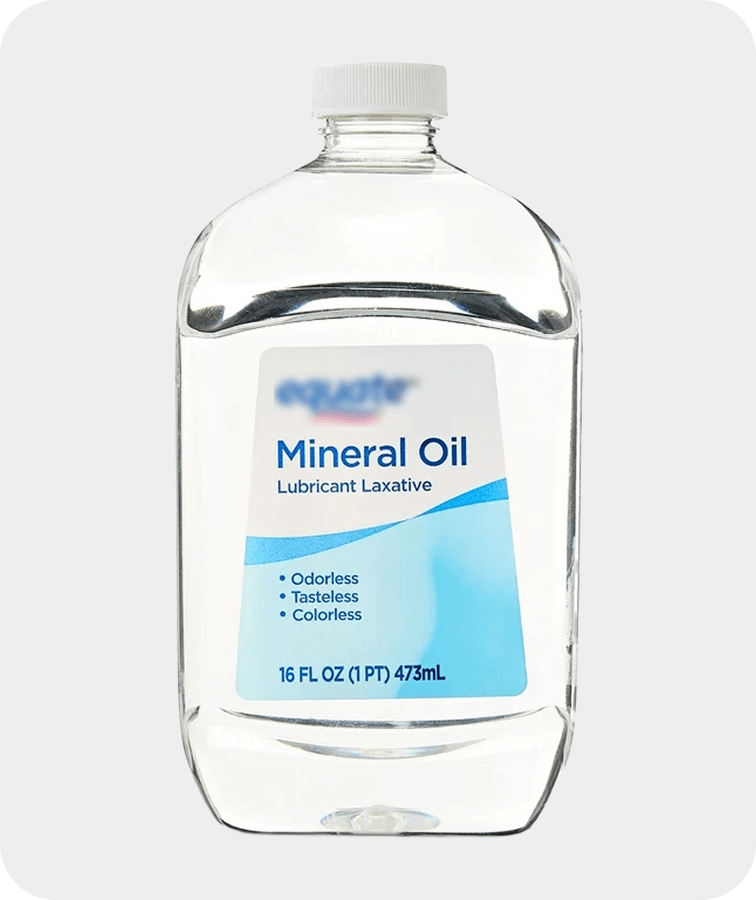
To prevent the water from evaporating again so quickly, pour about half a cup of mineral oil (available at any pharmacy) down after the water. The oil floats on top of the water like a lid, keeping it from disappearing into thin air.

Don’t Forget the Dishwasher!

One of the most common places we find “mystery smells” during an inspection is the dishwasher. If a dishwasher is installed without a proper P-trap or a “high loop” in the drain line, sewer gases can travel right into the machine. If your clean dishes smell like a swamp, this is probably why.

Protect Your Home’s Health

A sewer smell isn’t just unpleasant; the methane and hydrogen sulfide in sewer gas can cause headaches and respiratory issues. If the “bucket trick” doesn’t solve the problem, you may have a cracked pipe or a serious venting issue.
Our comprehensive Mose Report identifies plumbing concerns like these before they become a health hazard. If you find you need a professional to dive deeper, make sure you know how to select a reputable contractor.

and breathe easy knowing your home is safe.

Frequently Asked Questions (FAQ)

In small amounts, it’s mostly just a nuisance, but long-term exposure can cause headaches, dizziness, and nausea. In high concentrations, methane is also flammable. It’s always best to fix a dry trap as soon as you smell it.

It’s not recommended. Vegetable oil can go rancid and start to smell bad on its own. Mineral oil is inorganic, won’t spoil, and is safe for your pipes.

Changes in atmospheric pressure and heavy water flow in city sewers can push gases back toward your home. If your P-traps are full and your roof vents are clear, you shouldn’t smell anything even during a storm.

Insights & Tips for
Smart Homeowners

  • A Look at a Home Inspector’s Tools of the Trade

    January 7, 2026

  • Burnt Toast Made You Disable Your Smoke Detector?

    December 23, 2025

  • The Bidet Explained: What Homeowners (and Buyers) Should Know

    December 18, 2025