A Look at a Home Inspector’s Tools of the Trade

How Mose Home Inspectors Assess a Property Safely and Professionally

Many homeowners are hands-on when it comes to maintaining their property, which naturally leads to curiosity about how a home inspection is performed—and the tools inspectors use on-site.

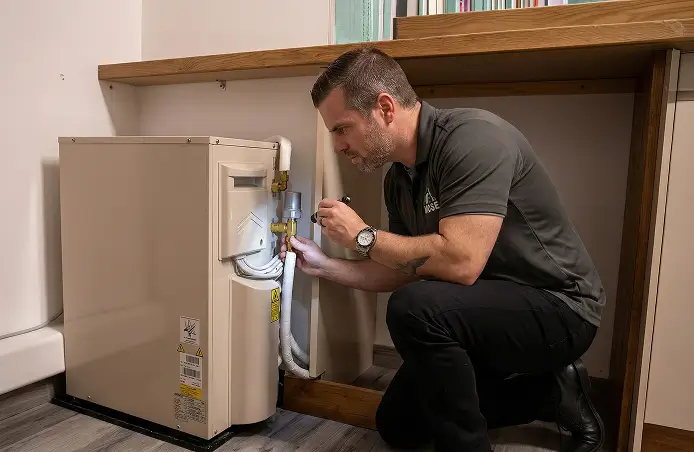
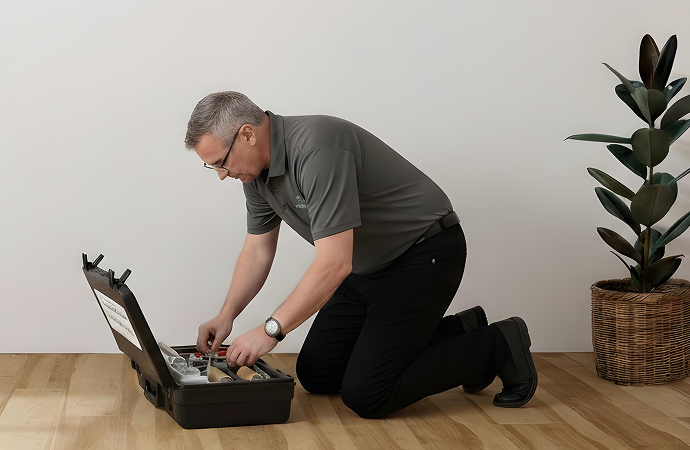
At Mose Home Inspection, our tools help us conduct a visual, non-invasive evaluation of a home’s readily accessible components. Each tool supports safety, accuracy, and clear reporting—without damaging the property or altering its condition.

Below is a closer look at the essential tools Mose inspectors use during a professional home inspection.
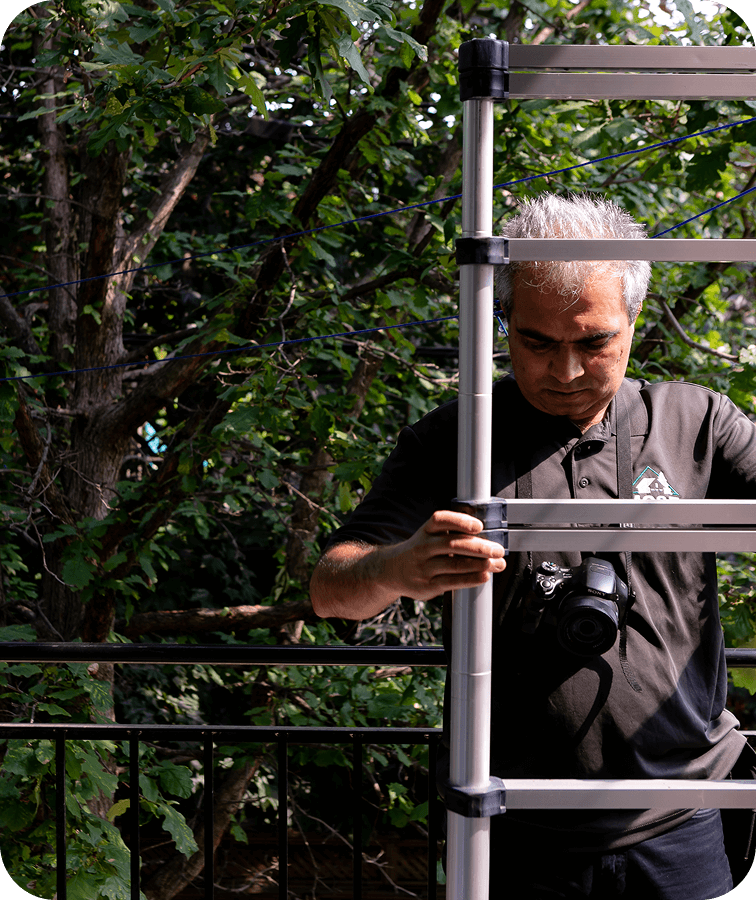
1- Ladder — Accessing Critical Areas Safely

A ladder allows inspectors to access attics, roof edges, chimneys, and gutters when conditions permit.
At Mose, safety always comes first. Inspectors only use ladders when conditions allow and access can be done safely. Factors such as snow, ice, freezing rain, wind, height, and roof pitch determine whether climbing is appropriate—not the ladder type itself.

Ladders are used primarily to:

  • Access attic openings
  • Visually inspect roof edges and coverings when safe
  • Inspect gutters and downspouts from a safe vantage point

This approach ensures inspections are thorough without risking injury or property damage.

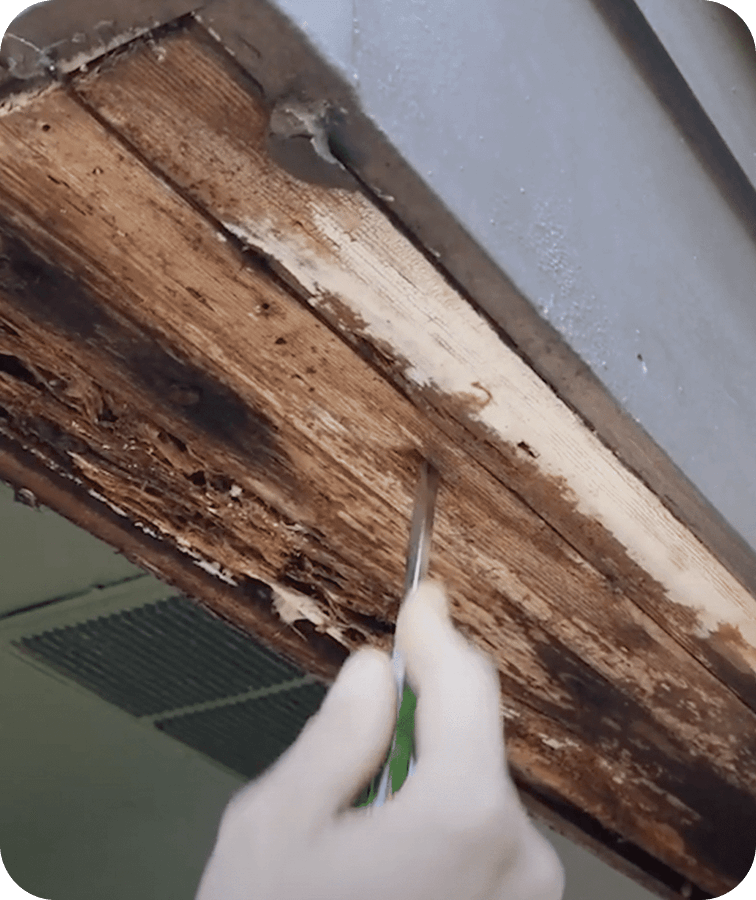
2- Screwdriver—Probing for Deterioration

A screwdriver is a simple but important inspection tool.

Inspectors use it to:

  • Gently probe exposed wood components
  • Assess softness that may indicate deterioration
  • Evaluate accessible mortar or trim conditions

This method helps identify visible signs of wear or degradation without dismantling or damaging materials.

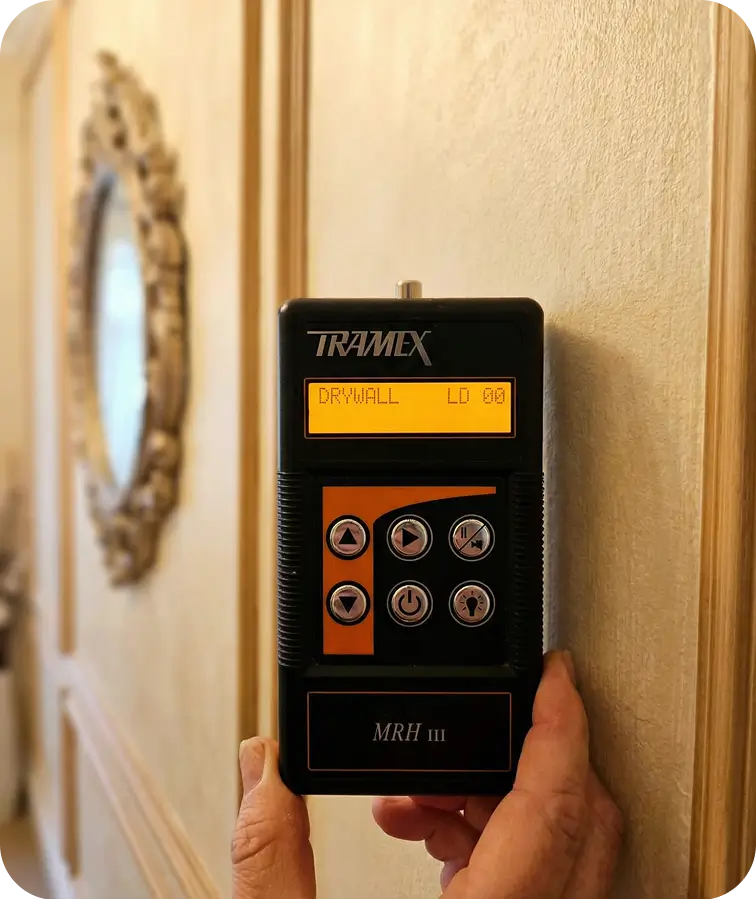
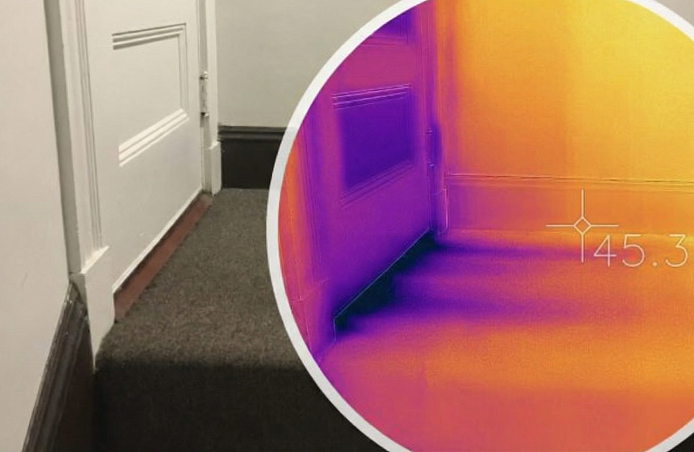
3- Moisture Meter—Assessing Moisture Conditions

Water-related issues are among the most common concerns identified during inspections.

A moisture meter helps inspectors:

  • Confirm active water infiltration or leakage
  • Evaluate suspicious stains that may indicate past infiltration or leaks
  • Identify moisture conditions that may contribute to mold growth

Moisture readings are taken only on accessible surfaces and are used as an indicator tool, not as a guarantee of concealed conditions.

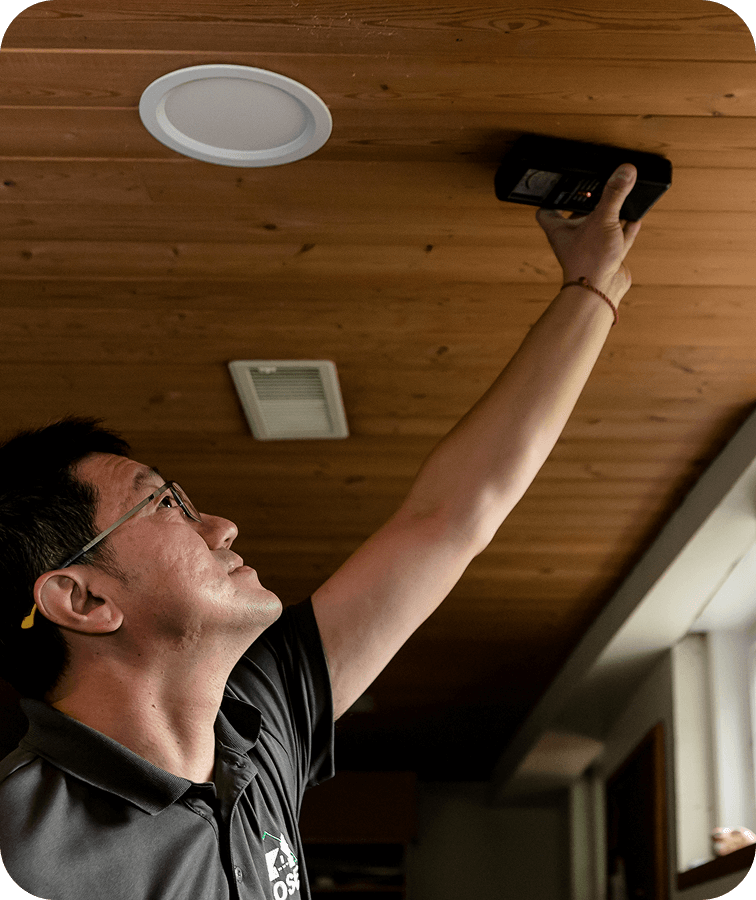
4- Humidity & Temperature Meter — Evaluating Indoor Conditions

Many homes experience elevated humidity due to daily activities such as:

  • Showering
  • Cooking
  • Drying clothes indoors
  • Inadequate ventilation

A humidity and temperature meter allows inspectors to:

  • Assess indoor comfort levels
  • Identify conditions that may contribute to condensation or moisture buildup
  • Flag ventilation concerns when appropriate

These readings provide helpful context but represent conditions at the time of inspection only.

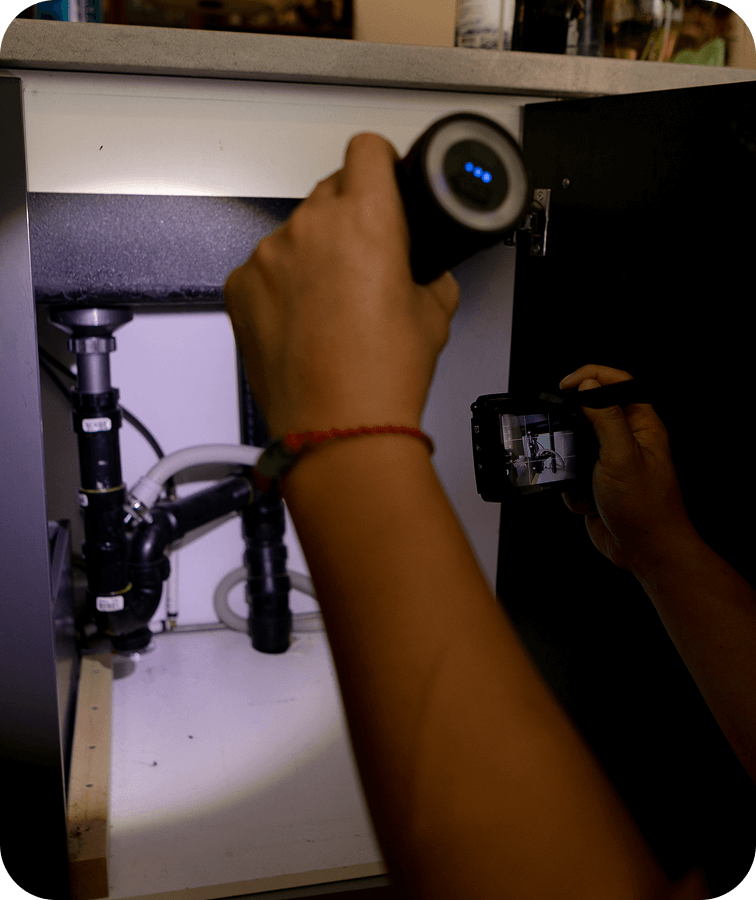
5- Flashlight — Visibility in Dark Areas

A flashlight is one of the most indispensable inspection tools.

Inspectors rely on it to safely view:

  • Attics
  • Crawlspaces
  • Basements
  • Mechanical rooms
  • Under-sink and enclosed areas

Professional inspectors always carry backup lighting to ensure inspections remain thorough even in low-light conditions.

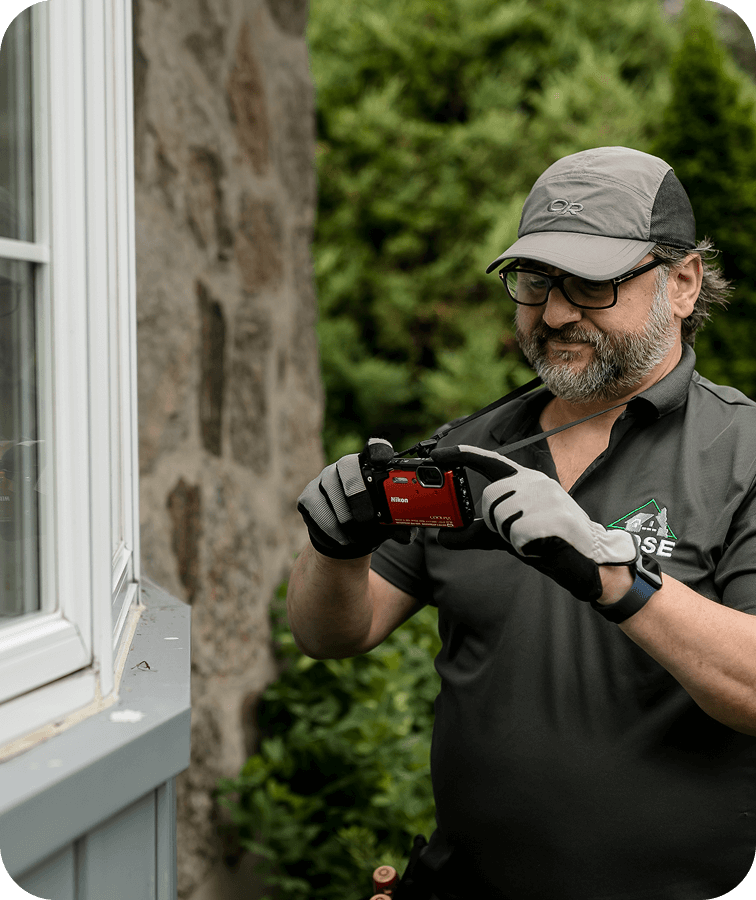
6- Camera — Documenting Observations Clearly

Modern digital cameras are essential to today’s inspections.

Inspectors use cameras to:

  • Document observed conditions
  • Provide visual clarity within the inspection report
  • Help clients better understand findings

Photos included in the Mose Inspection Report improve transparency and support informed decision-making.

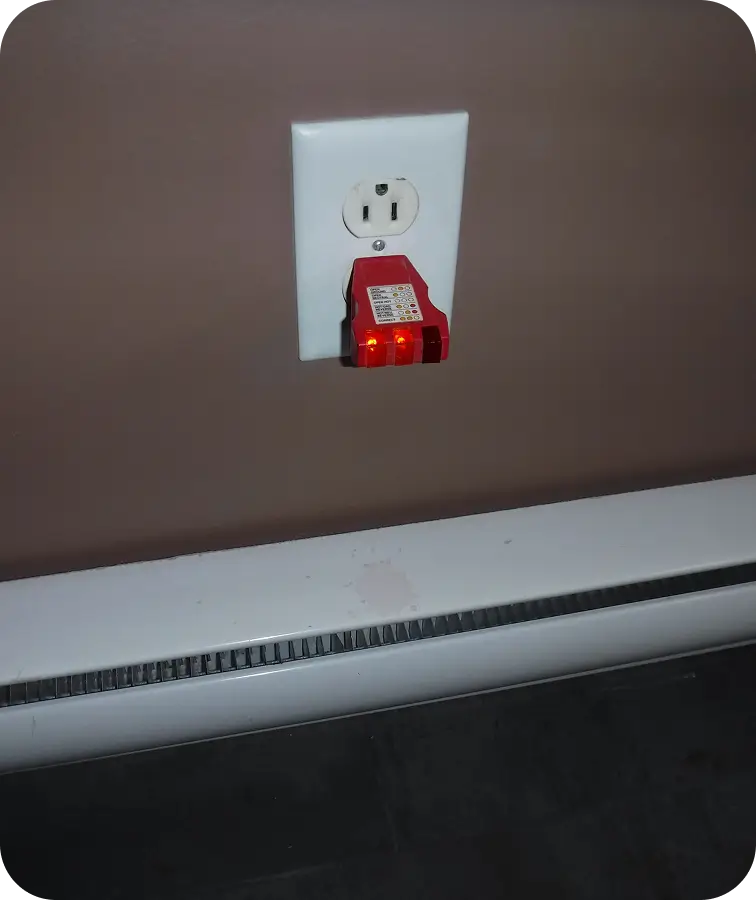
7- Electrical Tester — Evaluating Electrical Safety at Outlets

An electrical outlet tester is used to assess basic electrical safety functions at accessible receptacles.

This tool allows inspectors to:

  • Check outlet polarity
  • Verify grounding where applicable
  • Confirm GFCI protection at required locations (kitchens, bathrooms, exterior, garage, etc.)

Electrical testing during an inspection is non-invasive and limited to readily accessible outlets. Inspectors do not test concealed wiring, dismantle components, or perform load calculations.
Any irregularities observed are documented with recommendations for further evaluation by a licensed electrician when appropriate.

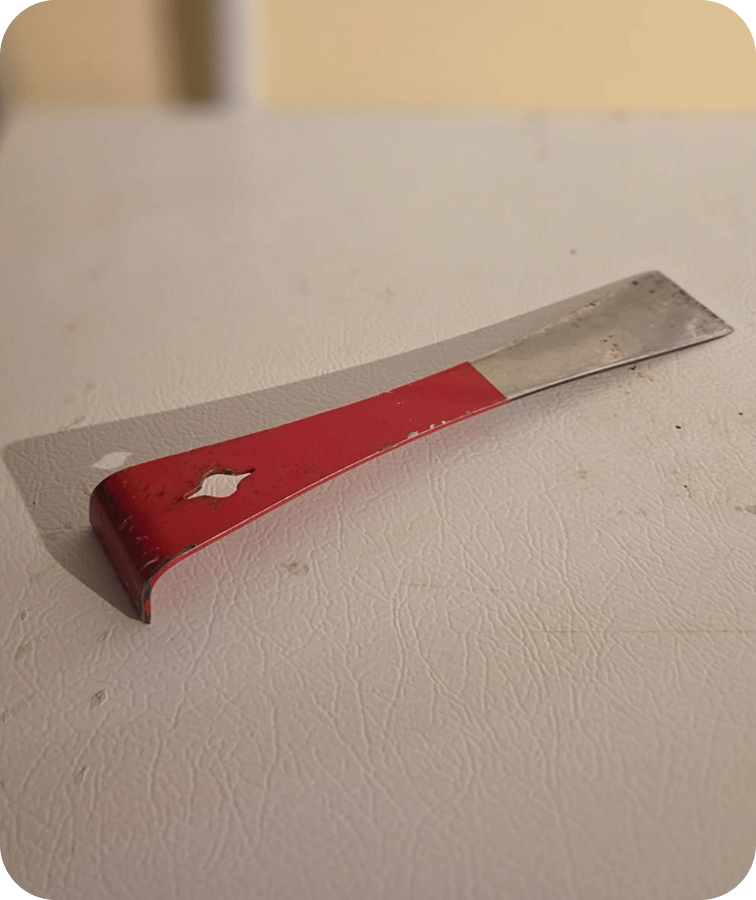
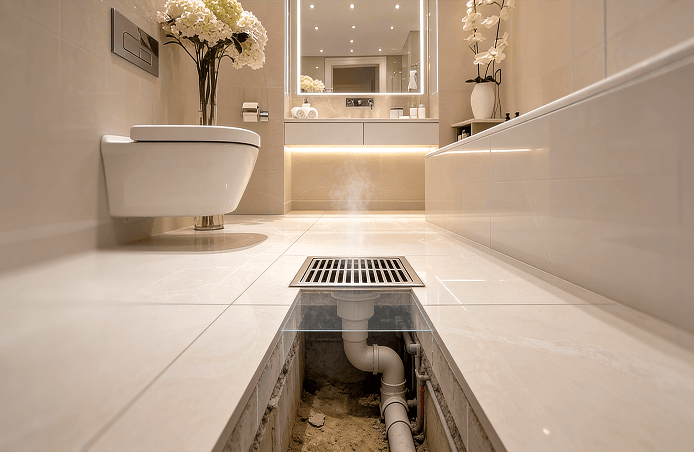
8- Pry Bar — Accessing Garage Pit Drains

Some garages contain pit drains with heavy or tightly fitted covers.

A pry bar allows inspectors to:

  • Lift drain covers safely
  • Visually assess drain condition
  • Confirm water flow where possible

This tool helps ensure proper drainage without damaging surrounding materials.

9- Protective Clothing — Inspector Safety Comes First

Inspectors may enter areas that contain:

  • Dust
  • Insulation
  • Mold-prone conditions
  • Tight or confined spaces

Protective equipment such as:

  • Coveralls
  • Gloves
  • Masks
  • Head protection

helps ensure inspector safety while maintaining professionalism inside the home.

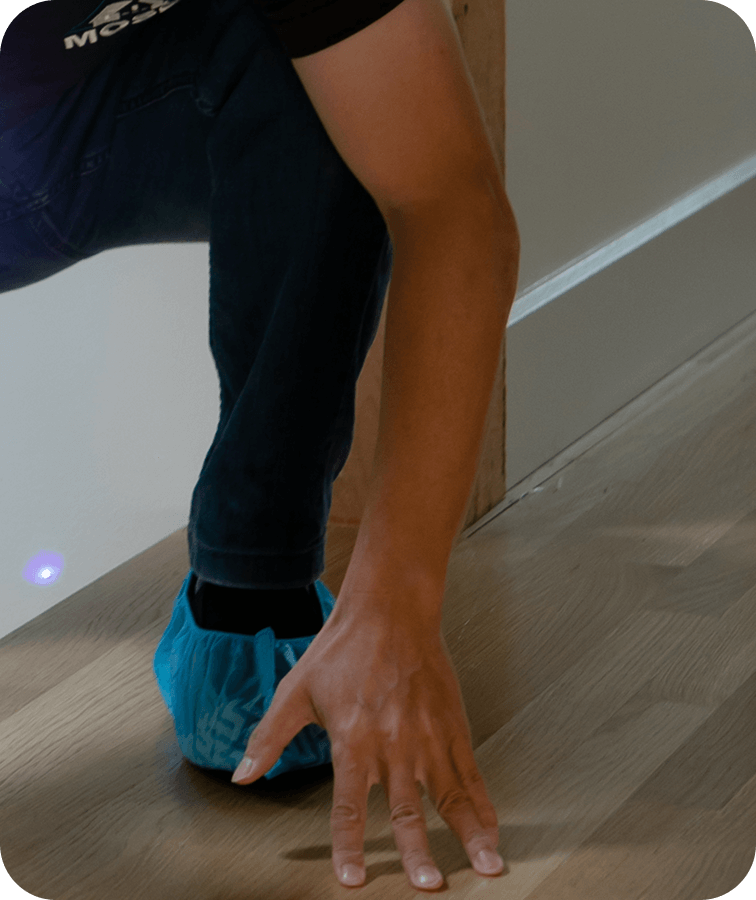
10- Extra Shoes — Respecting the Home

Professionalism includes respect for the property.

Inspectors carry extra footwear to:

  • Avoid tracking dirt into living spaces
  • Maintain cleanliness

Transition safely between indoor and outdoor inspection areas

Transparency Is the Goal

Home inspections often prompt many questions — especially from first-time buyers. Clients are naturally curious about the tools used and what inspectors are evaluating.

At Mose Home Inspection, our goal is simple:

  • Inspect responsibly
  • Explain clearly
  • Report accurately

If questions arise after the inspection, our team is always available to help clients better understand their home and next steps.

Why These Tools Matter to Homebuyers

Understanding the tools used during a home inspection helps buyers feel informed and confident. At Mose Home Inspection, every tool supports one goal:
Helping you understand the true condition of your home.

and experience the Mose difference.

Frequently Asked Questions (FAQ)

Home inspectors use tools such as ladders, moisture meters, flashlights, electrical testers, cameras, and humidity meters to assess visible and accessible components of a home.

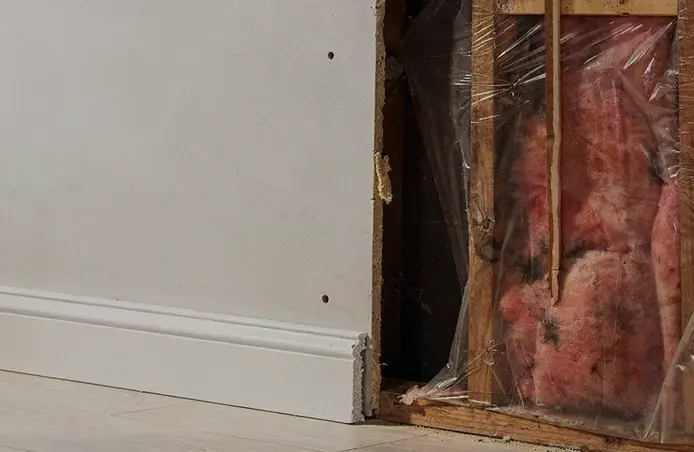
No. Home inspections are visual and non-invasive. Inspectors cannot open walls or move heavy furniture but can identify warning signs that may suggest further evaluation.

A moisture meter helps identify active or past water infiltration, which can lead to structural damage or mold if left unaddressed.

Yes. Mose inspection reports include photos to clearly document findings and help clients understand issues more easily.

Insights & Tips for
Smart Homeowners

  • Sewer Smell in Your House? The Mystery of the Dry P-Trap

    January 8, 2026

  • Burnt Toast Made You Disable Your Smoke Detector?

    December 23, 2025

  • The Bidet Explained: What Homeowners (and Buyers) Should Know

    December 18, 2025