Spring Basement Leaks in Montreal: What Homeowners Should Check First

Spring in Montreal often brings more than melting snow and warmer temperatures. It also brings one of the most common seasonal concerns for homeowners: basement moisture.

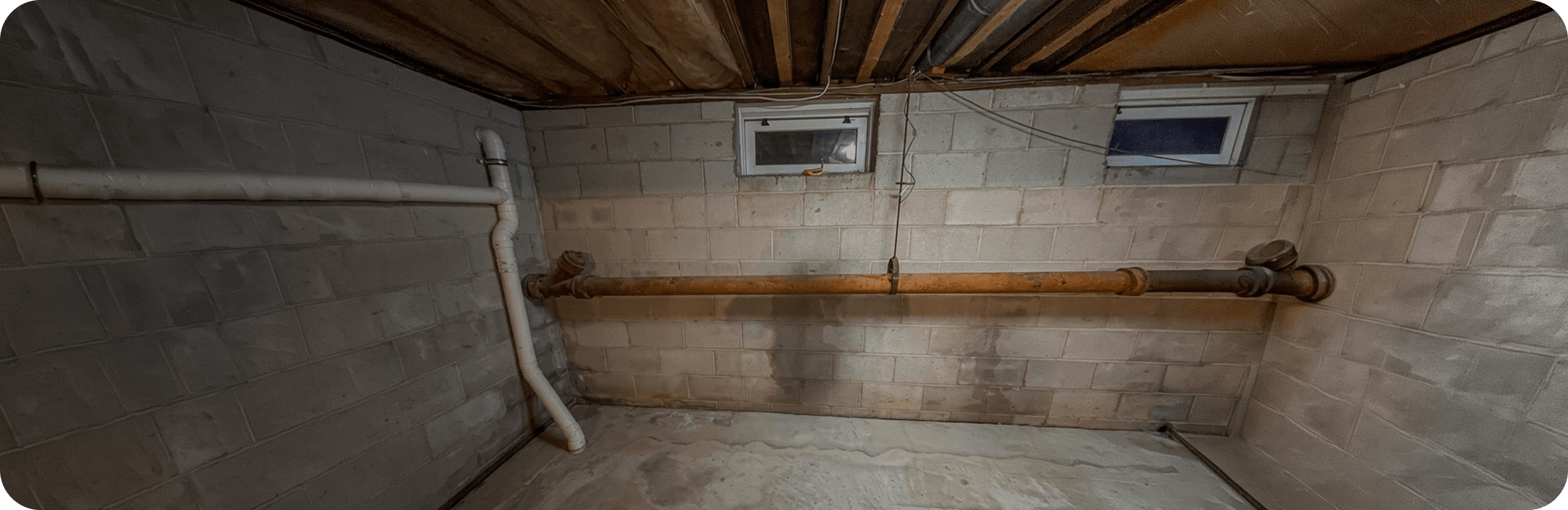
If you notice a musty smell, dampness, or signs of moisture in the basement or crawl space during spring, it may be time to take a closer look at how water is moving around your home.

At Mose Home Inspection, we often remind homeowners that basement moisture problems are especially common during the spring thaw. As snow melts, the ground becomes saturated, surface drainage changes, and the risk of water collecting near the foundation increases.

The good news is that many spring basement issues can be better understood—and sometimes improved—by starting with the right exterior checks.

Why Basement Leaks Often 
Appear in Spring

Spring creates ideal conditions for moisture problems around the home.
As temperatures rise:

Snow and ice begin to melt

Ground moisture increases

Runoff collects around the property

Freeze-thaw damage may become more visible

Poor drainage patterns start affecting the foundation

In many cases, basement dampness is not caused by a single dramatic issue, but by a combination of surface water, grading, drainage, and seasonal moisture conditions.
What To Check First If Your 
Basement Feels Damp

When moisture shows up in the basement, it is tempting to assume the worst. However, before jumping to major repair solutions, it often makes sense to begin with a careful exterior review.

1. Check the grading around the house

One of the first things to review is whether the ground slopes away from the building.
If water collects near the foundation, it has more opportunity to seep downward and create moisture pressure against the basement walls.

What to look for

  • low spots near the foundation
  • areas where water pools after rain or snowmelt
  • patios, sidewalks, or driveways sloping toward the house
  • settled soil around the perimeter

What may help

Adding compacted soil may improve drainage, as long as it does not cover siding, weep holes, or window wells or direct water toward a neighbor’s property. Gravel is generally less effective in these situations because water can pass through it more easily.

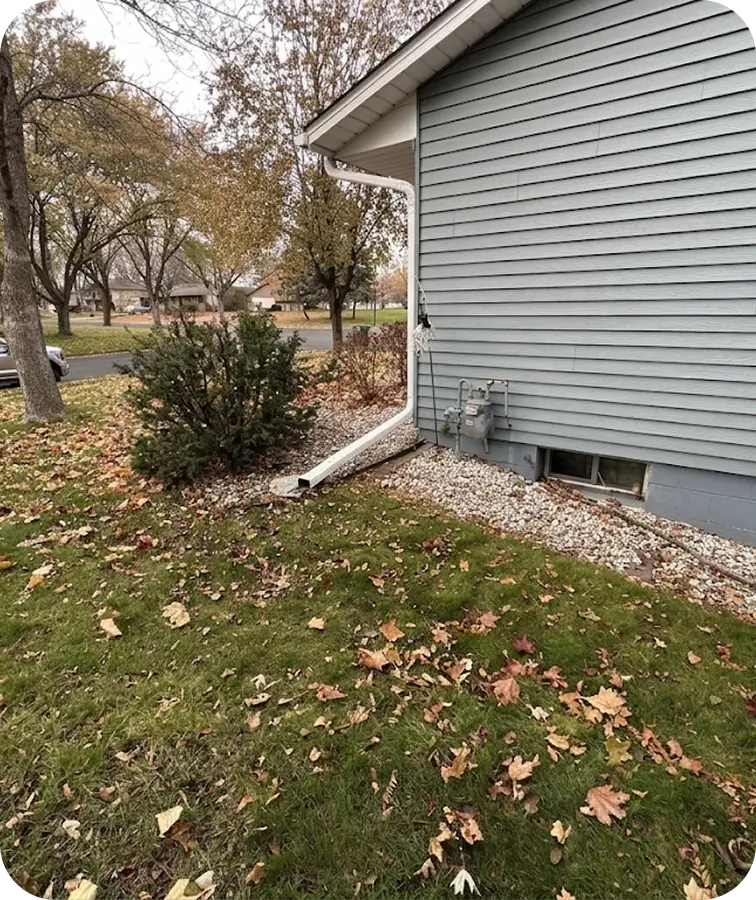
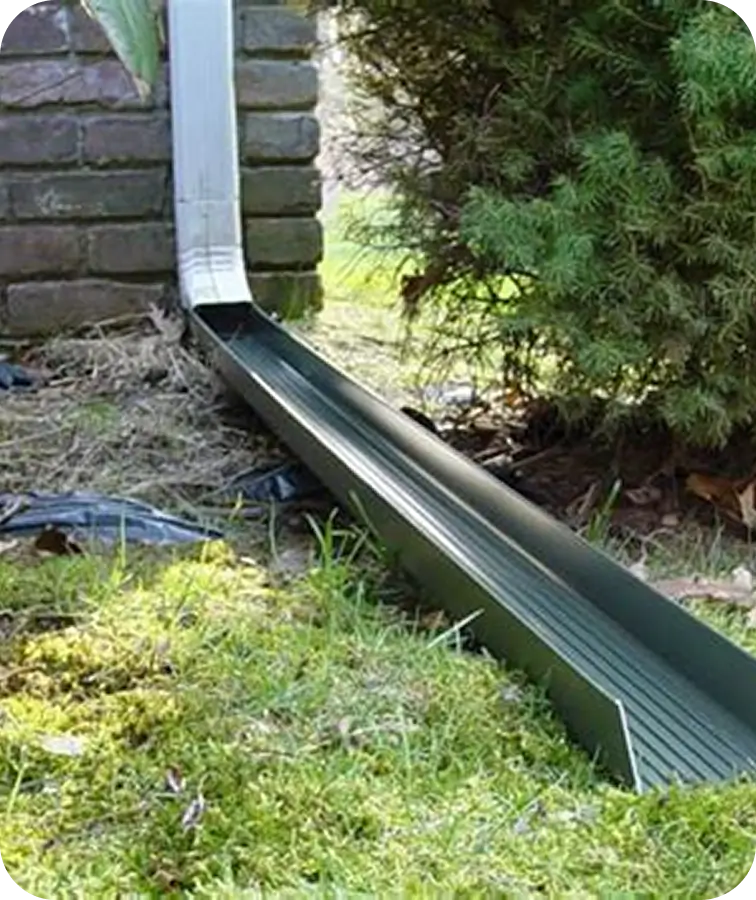
2. Inspect gutters and downspouts

Gutters and downspouts play a major role in directing roof runoff away from the house.
If they are blocked, leaking, or discharging too close to the foundation, they can contribute to basement moisture problems.

What to look for

  • overflowing gutters
  • disconnected or leaking downspouts
  • water spilling close to the home
  • puddling where downspouts enter the ground

What may help

Downspouts should direct water well away from the foundation. If they discharge underground and you notice unusual pooling, the buried piping may deserve closer review.

3. Look at window wells and stairwell drains

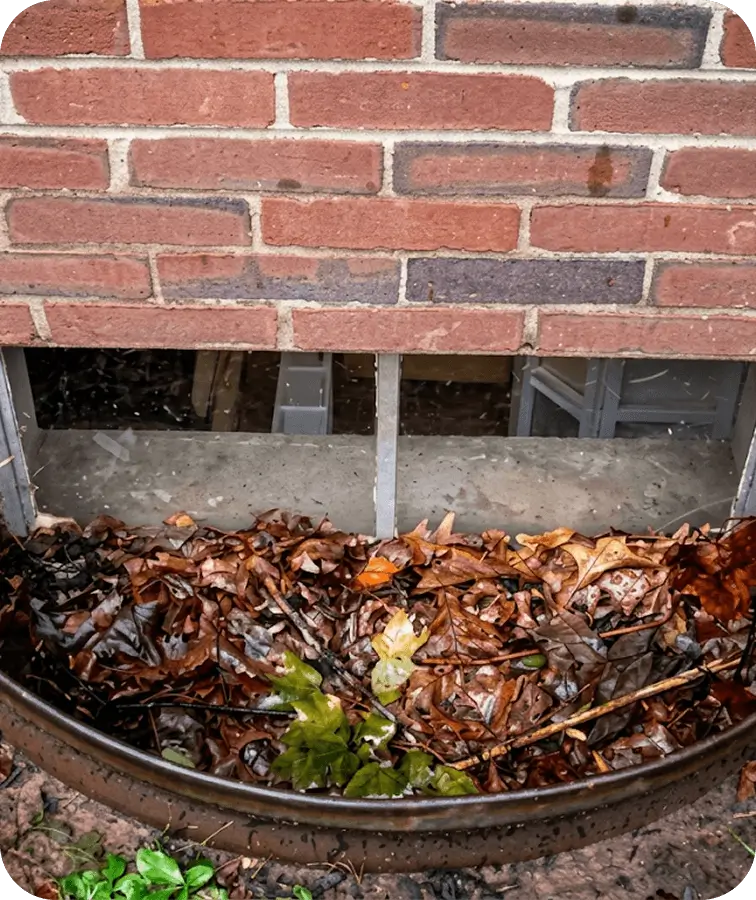
Window wells and basement stairwells can collect leaves, debris, and water over the winter.
When drainage is blocked, water may build up and increase the likelihood of seepage.

What to look for

  • leaves and debris in window wells
  • standing water
  • blocked drains
  • signs of staining or dampness nearby

Keeping these areas clear is a simple but important seasonal maintenance step.

4. Test the sump pump

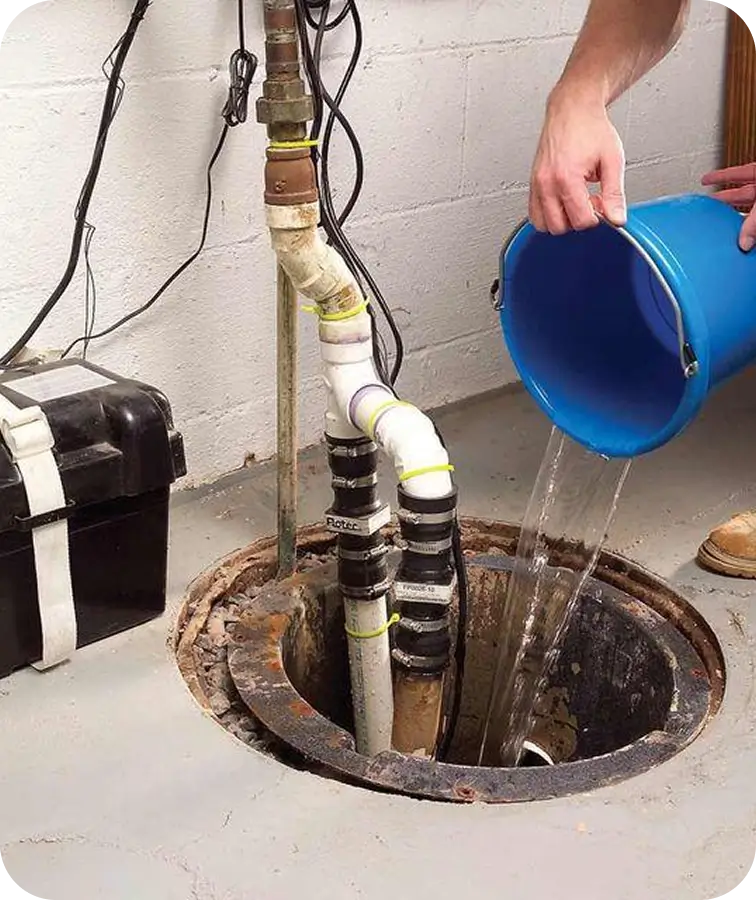
If your basement depends on a sump pump, spring is one of the most important times to make sure it is working properly.

What to look for

  • Lift the float trigger if accessible
  • Listen for the pump to activate
  • Confirm that water is being discharged properly
  • Make sure the discharge line is not blocked

A failed sump pump during heavy rain or rapid melt can quickly lead to a much wetter basement.

5. Review visible cracks and openings

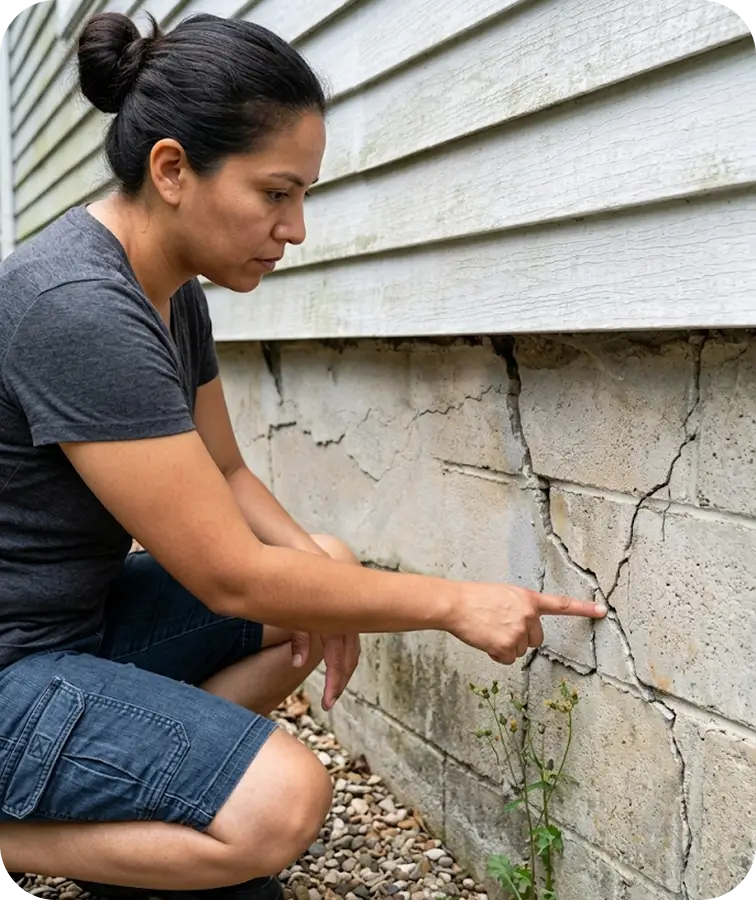
Not every crack is a major concern, but openings in the foundation or around basement windows can allow water to enter more easily under the right conditions.

What to look for

  • Cracks in foundation walls
  • Gaps around window frames
  • Deteriorated exterior sealant
  • Visible water staining

Some small openings may be managed with maintenance, while others may justify further professional review.

Musty Smells in the Basement: What They May Mean

If your basement smells musty, sour, or stale in the spring, moisture is often part of the picture.
That does not automatically mean there is major mold growth, but it may suggest that the space has elevated humidity, poor ventilation, or a moisture source that deserves attention.

In some cases, simply opening basement windows may not improve the situation. When outdoor spring air is warm and humid, bringing that air into a cool basement can sometimes add more moisture rather than reduce it.

Helpful first steps

Use a dehumidifier if needed

Review exterior drainage

Check humidity levels

Look for signs of condensation or damp surfaces

Inspect for past or active water entry

When Moisture May Be a Sign of a Bigger Problem

Some basement moisture issues are minor and seasonal. Others may point to conditions that deserve closer evaluation.

These may include:

Repeated water entry

Persistent dampness after rainfall

Visible deterioration of wood elements

Foundation movement

Drainage conditions that do not improve with basic maintenance

If the same problem keeps returning each spring, it may be time to move beyond short-term solutions and investigate the cause more closely.

Why Early Action Matters

Basement moisture can be easier to manage when it is identified early.

A small drainage problem in spring can become a more costly repair later if water continues to affect finishes, stored items, insulation, or structural components.

Even when the issue seems minor, understanding where the water is coming from is usually more useful than simply trying to dry the area out temporarily.

How a Home Inspection Can Help

A home inspection cannot see through walls or guarantee the source of every leak, but it can help identify visible conditions that may be contributing to basement moisture.

At Mose Home Inspection, an inspection may help highlight:

Grading concerns

Gutter and downspout conditions

Sump pump issues

Visible foundation cracks

Signs of moisture or humidity in basement areas

Areas where specialist review may be appropriate

This gives homeowners a clearer starting point for deciding what to monitor, what to maintain, and when additional evaluation may be needed.

Final Thoughts

Spring basement leaks in Montreal are often linked to the way water moves around the outside of the home.
Before assuming the solution is major drainage work, it usually makes sense to start with the basics: grading, gutters, downspouts, window wells, and sump pump function.

Understanding these conditions early can help you make better decisions and reduce the risk of ongoing moisture problems in the months ahead.

If you are noticing dampness, musty odours, or signs of moisture in your basement this spring, a professional inspection can help you better understand what to check next.

with Mose Home Inspection and get clearer insight into your home’s spring moisture conditions.

Frequently Asked Questions (FAQ)

Spring moisture, elevated humidity, past water entry, or limited ventilation can all contribute to musty basement odours.

Not always. In some cases, warm, humid spring air can make a cool basement feel even damper. A dehumidifier and better moisture control may be more effective.

Not necessarily. Many moisture problems are related to surface drainage, grading, gutters, or downspout discharge. A proper evaluation can help determine the most appropriate next step.

Insights & Tips for
Smart Homeowners