Hidden Defects in Quebec: What Homebuyers Should Know

If you are buying a property in Quebec, understanding hidden defects is important. Under the Civil Code of Québec, the legal warranty of quality may protect buyers when a serious issue is discovered after the purchase that was not apparent at the time of sale.

At Mose Home Inspection, our role is not to make legal determinations, but to help buyers better understand the visible condition of a property before closing. A professional inspection can identify signs that may justify further evaluation before the sale is final.

What Is Considered a Hidden Defect in Quebec?

According to Article 1726 of the Civil Code of Québec, an issue may qualify as a hidden defect only if certain conditions are met.

1

The issue was not apparent

It could not have been identified during a normal pre-purchase inspection by a prudent and diligent buyer.

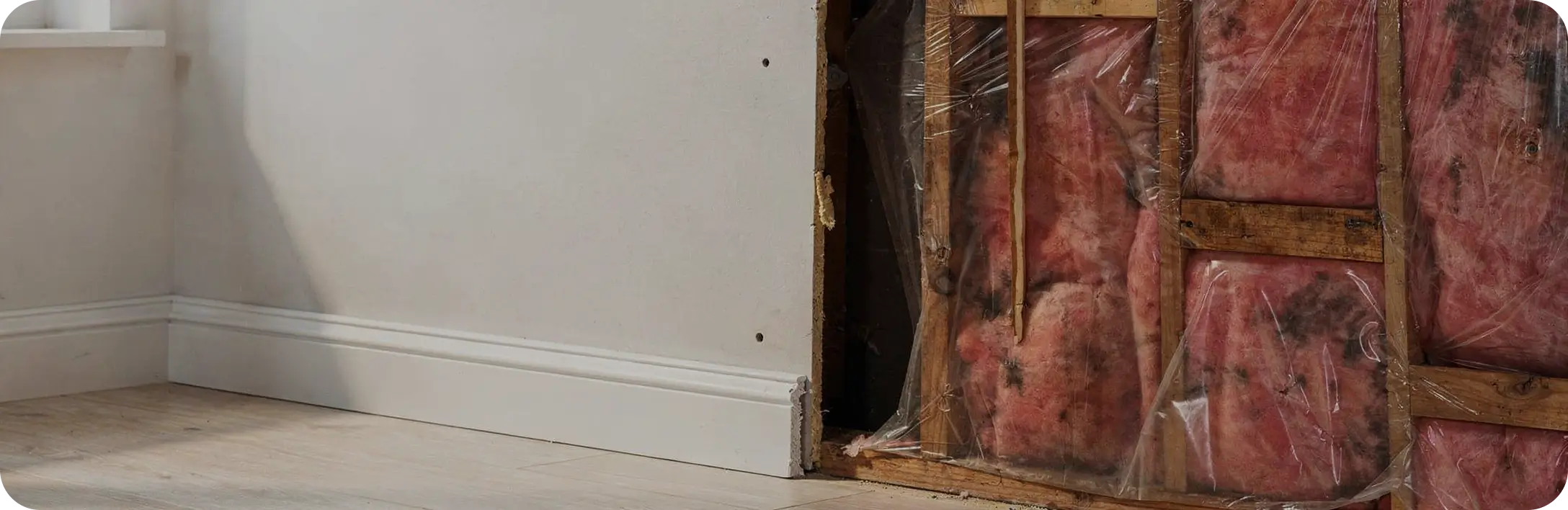
Example: A recurring leak hidden inside a wall cavity that shows no visible staining or damage at the time of the inspection.

2

The issue is serious

It must be significant enough that the buyer would not have purchased the property, or would have offered a lower price, had they known about it.

Major foundation movement is concealed behind finished basement walls that affect the structural stability of the property.

3

The issue existed before the sale

Even if it becomes visible later, it must already have been present at the time of purchase.

Example: A long-standing plumbing leak behind a ceiling that only becomes visible months after closing, but was already active before the sale.

4

The buyer was not informed

If the seller disclosed the issue and the buyer accepted it, it generally cannot later be claimed as a hidden defect.

Example: The seller states in writing that the basement has a history of water infiltration, and the buyer proceeds with the purchase knowing that information.

Examples of Issues That May Raise Concern

In Quebec real estate, hidden defects are often associated with issues such as:

Structural movement concealed behind finished surfaces

Water infiltration inside walls or below flooring

Electrical or plumbing conditions hidden within closed areas

Significant mold contamination in attics or concealed spaces

Pyrite-related damage in concrete slabs

These examples do not automatically mean a legal hidden defect exists, but they are the kinds of issues that may raise concerns and justify further investigation.

What Does “Sold Without Legal Warranty” Mean?

Some properties are sold without legal warranty, often described as being sold at the buyer’s risk and peril.

This can limit the buyer’s protection after the sale. However, exceptions may still exist in cases involving intentional concealment or fraud. When questions arise about legal rights or obligations, buyers should seek advice from a qualified legal professional.

Why a Pre-Purchase Inspection Still Matters

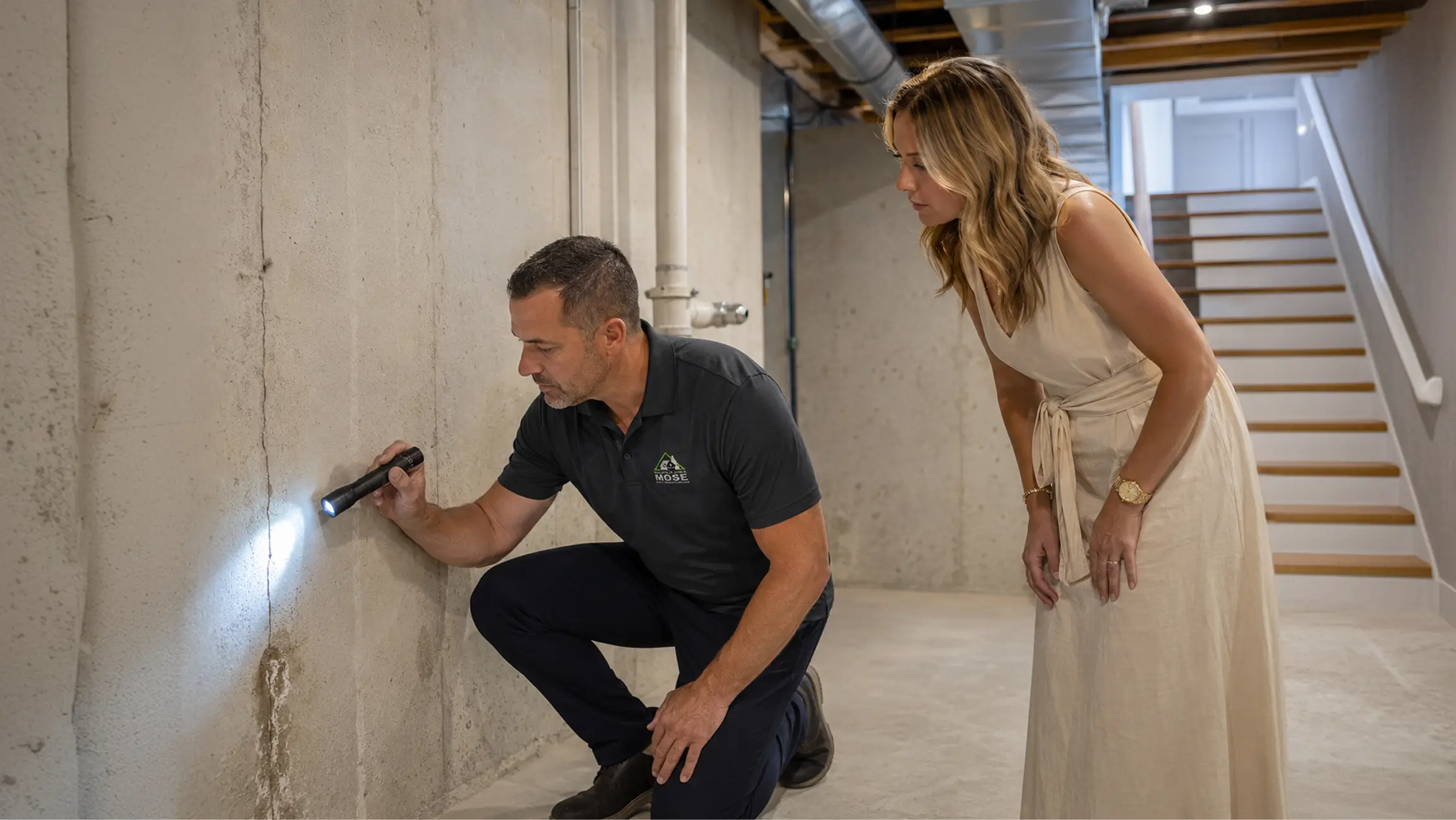
A pre-purchase inspection does not confirm whether a hidden defect exists, and inspectors do not open walls or perform invasive testing. However, an inspection can help identify visible signs that may point to a larger concern.

For example, an inspector may observe:

Moisture patterns with a moisture meter

Signs of structural movement in accessible areas

Recent repairs that may warrant closer attention

Visible conditions suggesting the need for a specialist

An experienced Mose inspector helps buyers understand what is visible, what may require monitoring, and when further expert evaluation should be considered before purchase.

Why Early Awareness Matters

For buyers, the value of an inspection is not simply in finding current issues. It is also in understanding where additional questions should be asked before the transaction is complete.

In some cases, that may mean:

Requesting more information from the seller

Reviewing available documentation

Consulting a structural specialist, electrician, plumber, or other expert

Reconsidering the purchase terms based on the information available

This kind of clarity can help buyers make more informed decisions before signing.
Frequently Asked Questions (FAQ)

In Quebec, buyers are generally expected to notify the seller in writing within a reasonable timeframe after discovery. Legal advice is recommended in these situations.
No. Some issues may not be visible at the time of inspection. However, an inspection remains one of the most important steps in understanding the accessible condition of a property before purchase.

An apparent problem is one that a prudent and diligent buyer could observe without expert help. A hidden defect is, by definition, not apparent at the time of sale.

Final Thoughts

Understanding hidden defects in Quebec is part of making a more informed real estate decision.
A professional pre-purchase inspection cannot remove all uncertainty, but it can help buyers better understand the condition of a property, identify visible warning signs, and decide whether additional evaluation is needed before closing.
At Mose Home Inspection, our goal is to provide clear, professional insight so buyers can move forward with more confidence.

Insights & Tips for
Smart Homeowners