Radon is a naturally occurring radioactive gas found in the soil beneath our dwellings.
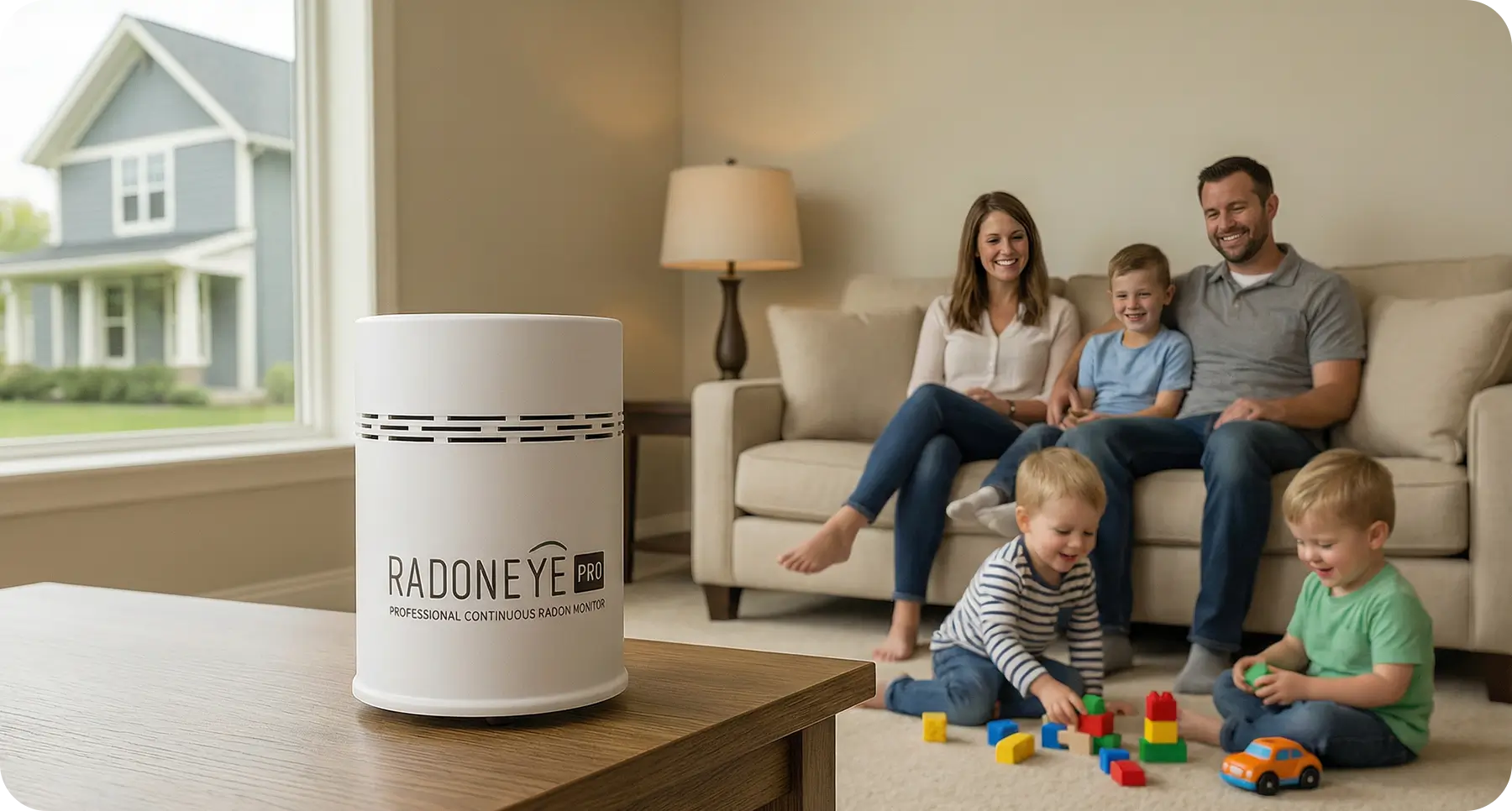
In Quebec—where long winters keep us indoors and basements are commonly used as living areas—testing for radon is essential for protecting your family’s long-term health.
To understand how radon fits into your overall home health, learn more about the professional inspection services offered by Mose.
1. A Leading Cause of Lung Cancer
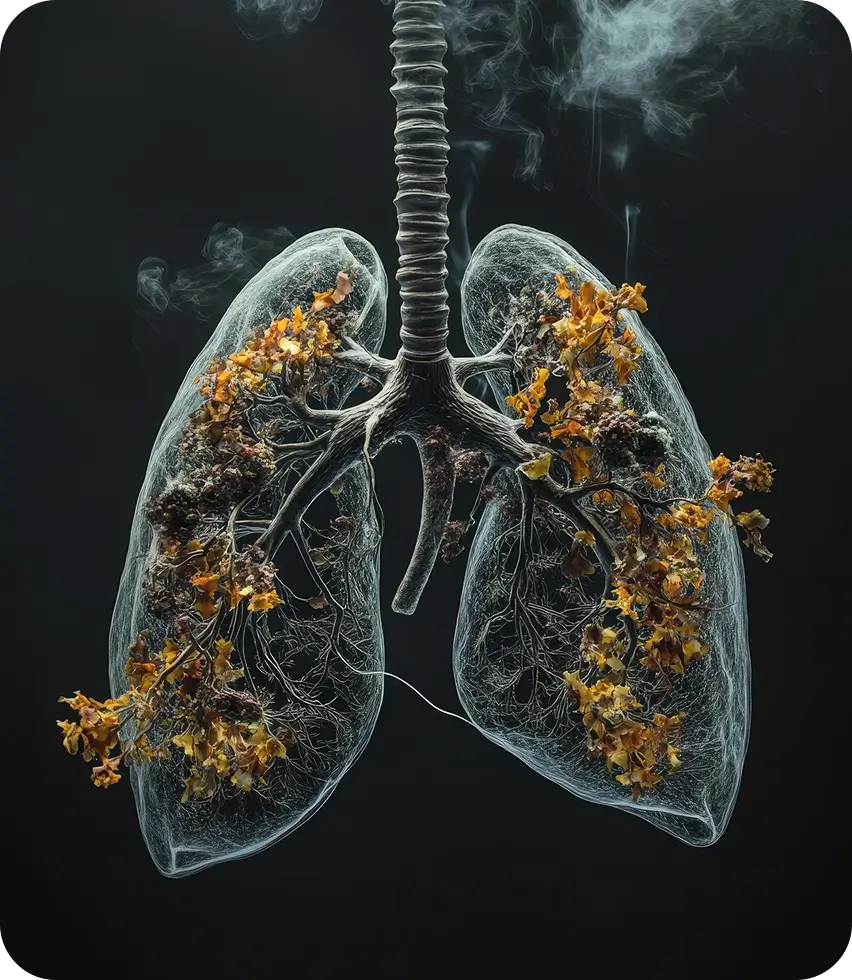
Radon is the #1 cause of lung cancer among non-smokers, and the risk increases significantly with long-term indoor exposure.
2. Impossible to Detect Without Testing
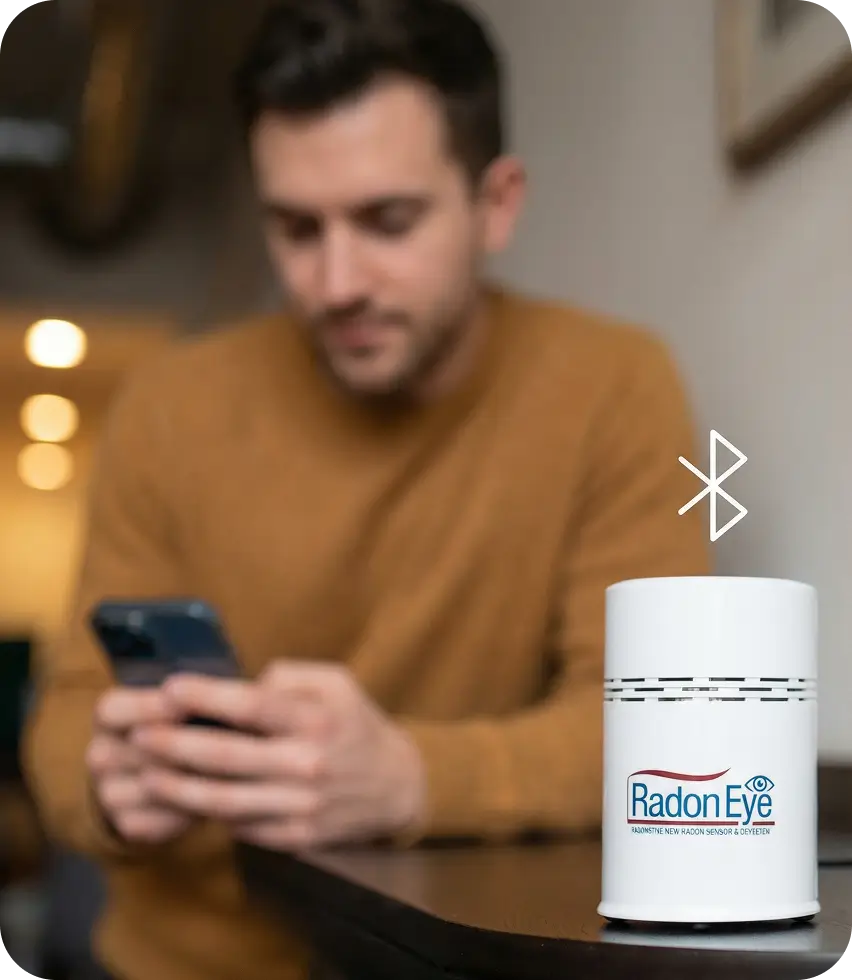
Radon has no smell, colour, or taste. A certified radon test is the only reliable way to know if your home is affected.
3. Higher-Risk Zones Near Montreal
Neighbourhoods such as the West Island, South Shore, Laval, and the Laurentians have soil conditions that increase radon potential.

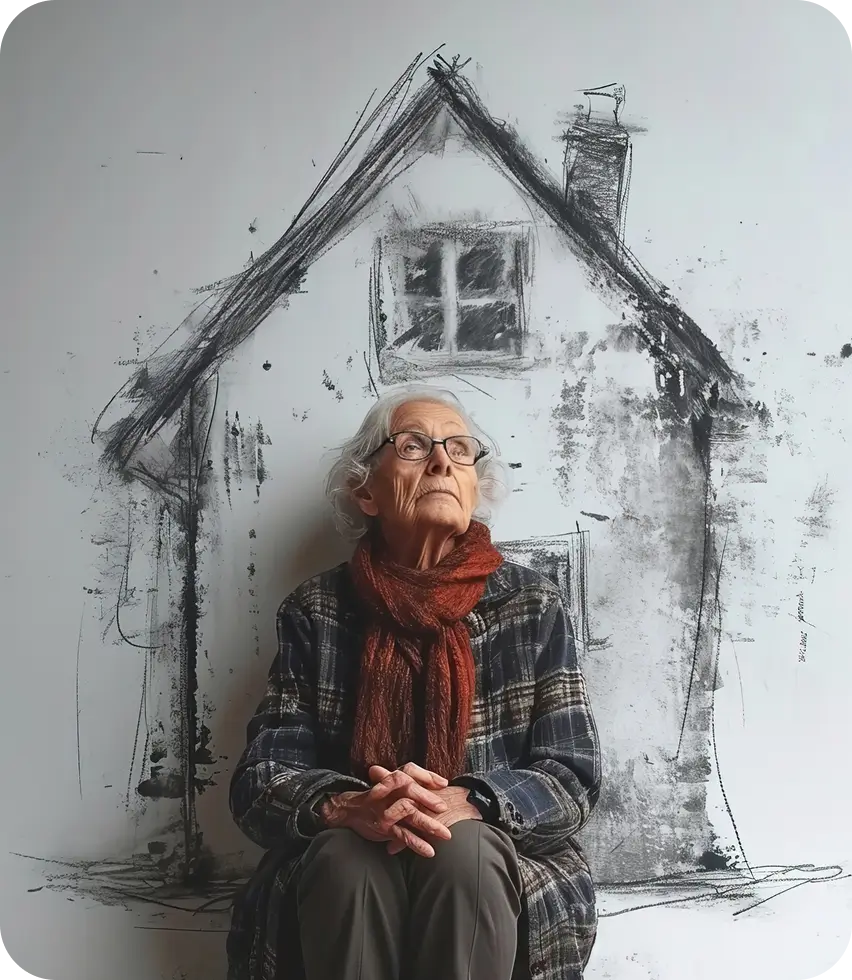
4. Older Foundations Are Vulnerable
Many Montreal homes with stone or concrete-block foundations allow radon to seep through cracks and structural joints.
If you own an older property, you may also be interested in our article on The Hidden Challenges of Older Homes.
5. Basements Used as Living Space
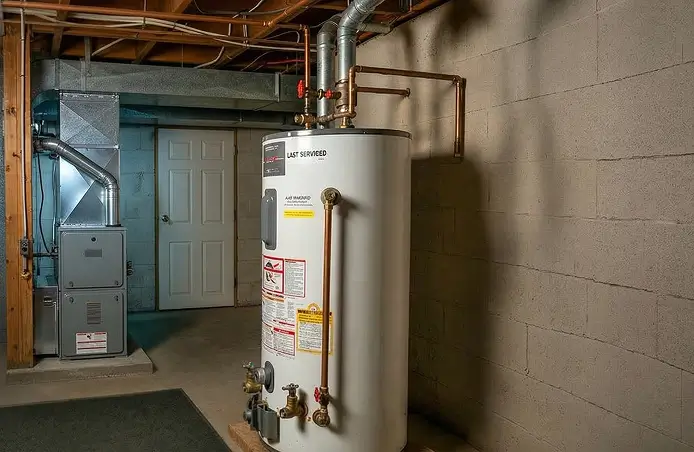
Basements used as bedrooms, offices, playrooms, or home gyms result in greater exposure to radon—where levels naturally tend to be higher.
If this applies to your home, you can book a certified radon test in minutes.

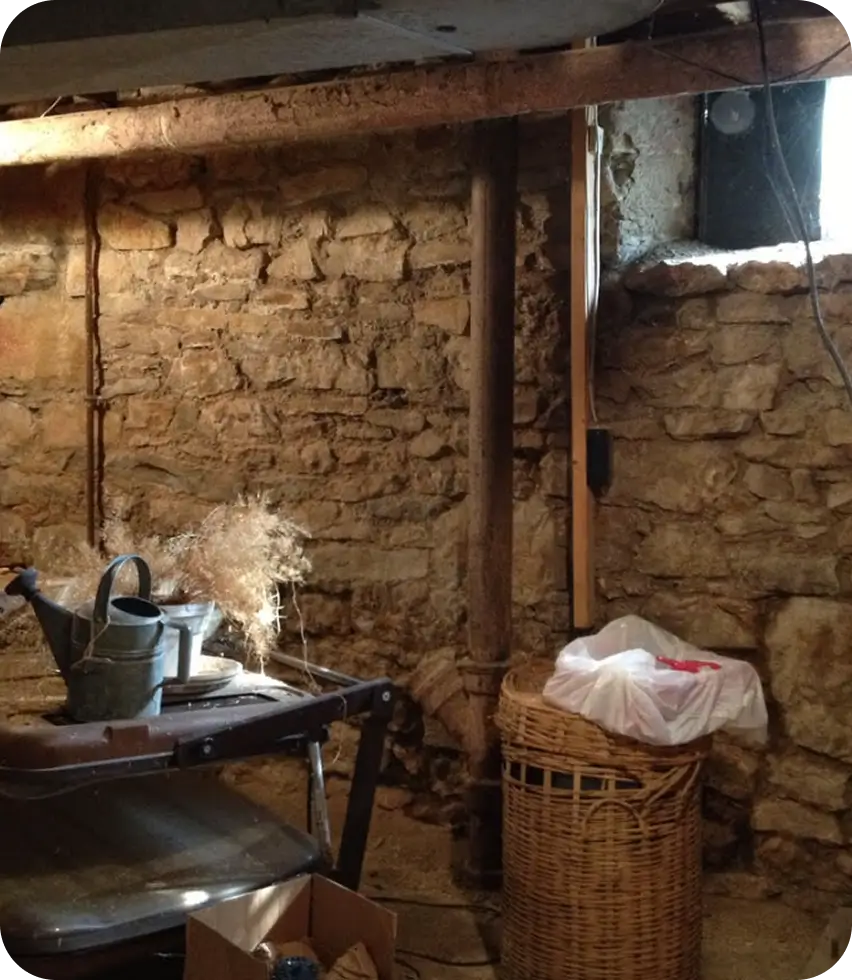
6. Long Heating Seasons Trap Radon Indoors
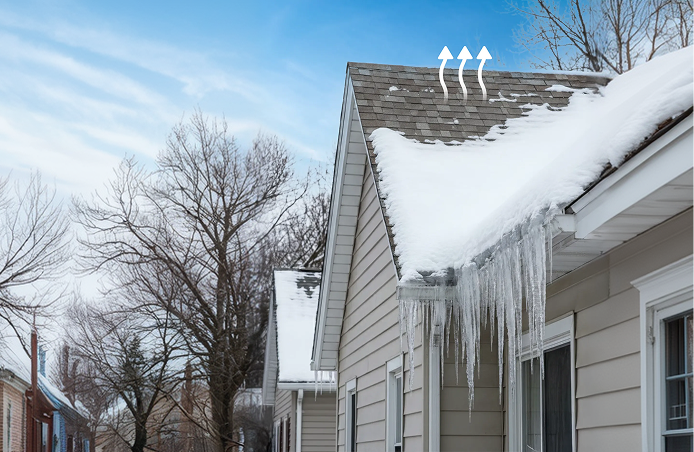
Closed windows during long winter periods in Quebec reduce ventilation and allow radon to accumulate.
7. All Housing Types Can Be Affected
Condos, duplexes, triplexes, townhomes, and single-family dwellings can all show elevated radon test results.

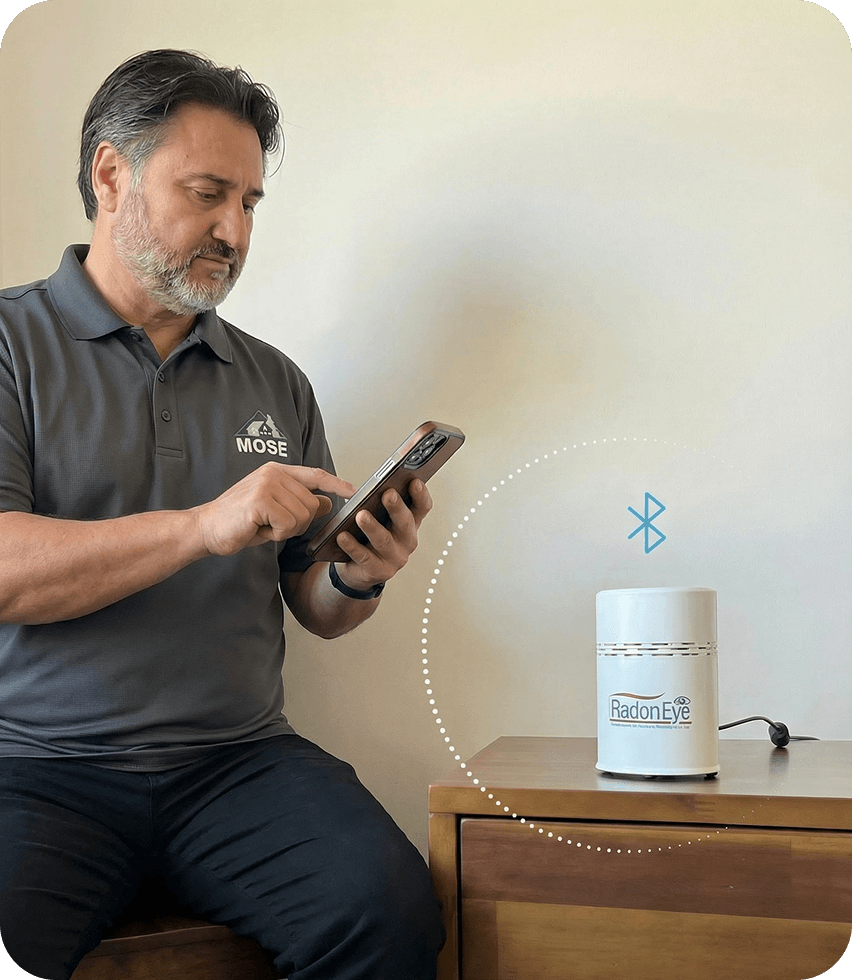
8. Testing Is Simple and Affordable
Radon testing is simple and affordable when performed by certified professionals.
Learn more about our radon testing service and what to expect.
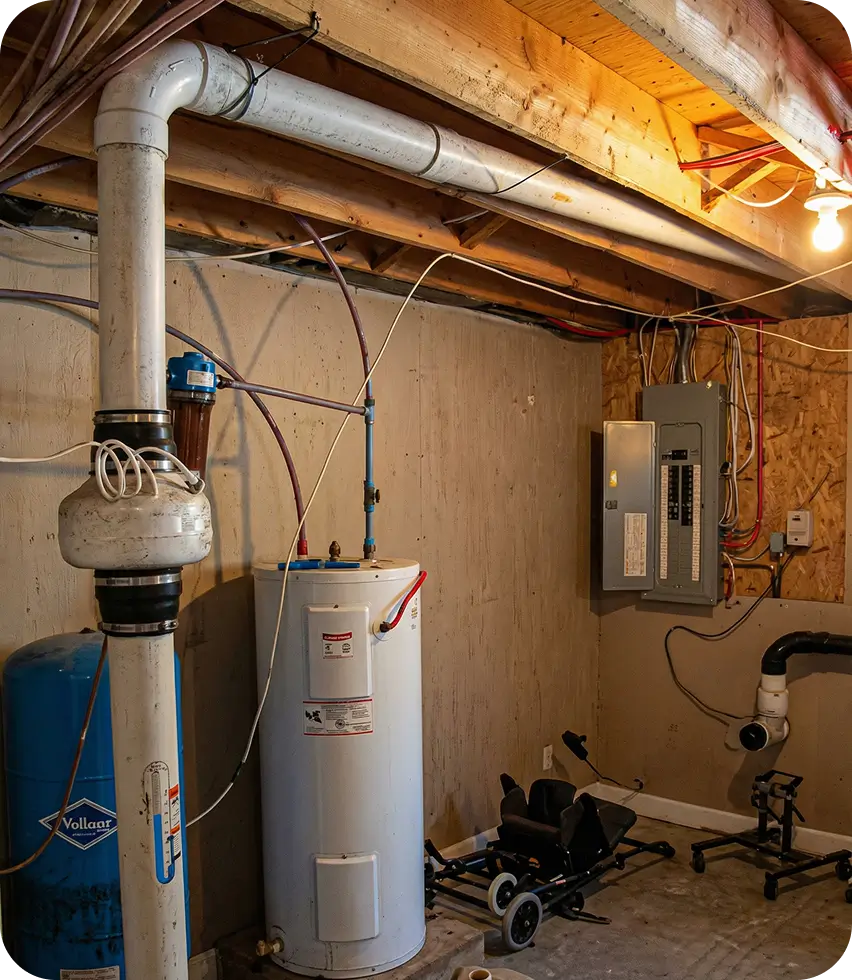
9. Mitigation Works in Quebec Climate
Professional radon mitigation systems can reliably reduce radon to levels below Health Canada’s 200 Bq/m³ guideline.
Improving home ventilation can also help—read our article 10 Ways to Make Your Home More Energy Efficient.
For more information, see Health Canada’s guide.

10. Valuable for Real-Estate Confidence
Documented radon results help reduce uncertainty for buyers and sellers while improving trust during real estate transactions.

How to Get Started
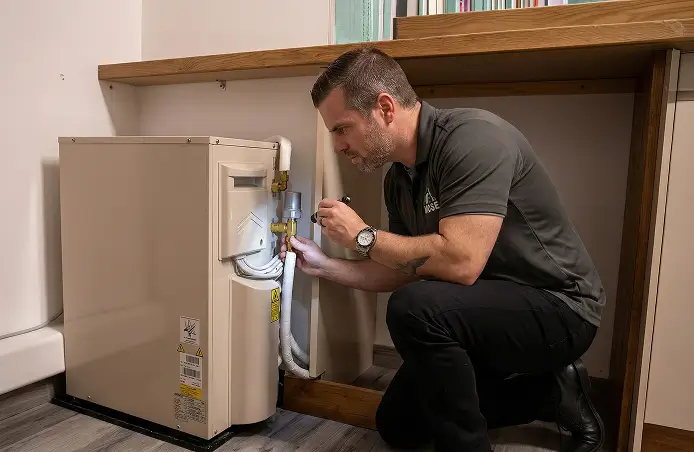
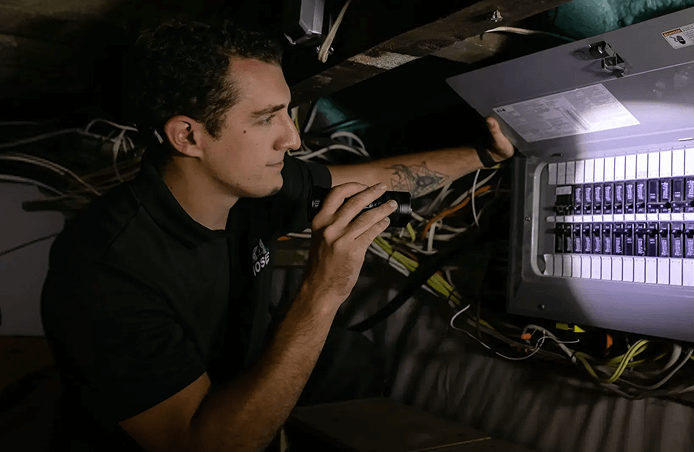
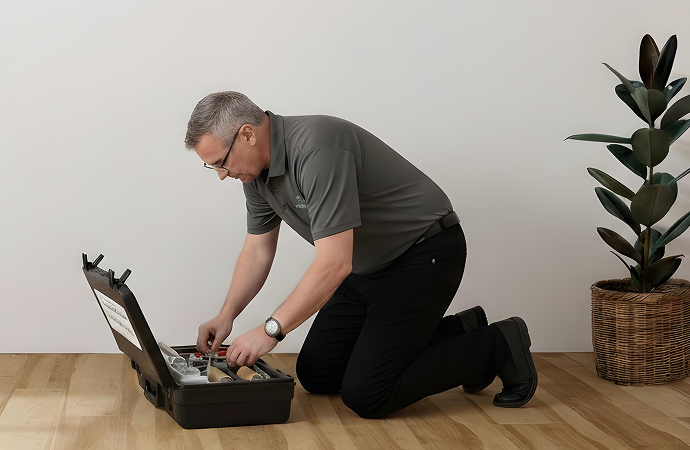
Mose Home Inspection provides certified radon testing in the lowest occupied area of your dwelling. Once the long-term results are analyzed, you’ll receive clear guidance and recommendations—without pressure or upselling.
Insights & Tips for
Smart Homeowners
Smart Homeowners