Whether you live in a modern condo in downtown Montréal or a century home in the Laurentians, humidity levels affect both your comfort and your home’s condition.
In Québec’s climate — where summers can feel warm and humid and winters are extremely dry — maintaining balanced indoor humidity is essential. Too much moisture encourages mold, condensation, and structural damage, while too little moisture dries out the air and can cause the wood components in your home to shrink and crack.
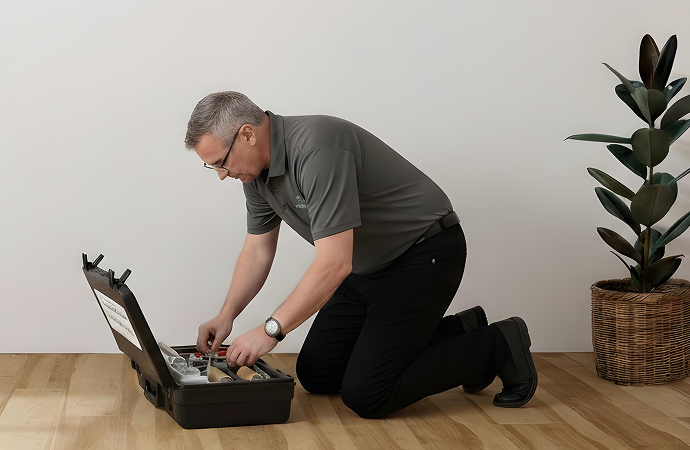
At Mose Home Inspection, we see firsthand how humidity affects building materials and indoor air quality. Here’s what every homeowner should know.
What Is “Normal” Humidity Inside a Home?
What Is “Normal” Humidity Inside a Home?
Humidity refers to the amount of water vapor in the air. Warm air can hold more moisture, while cold air cannot — which is why winter air feels drier.
According to Health Canada, the ideal indoor humidity is:
- Around 30% to 40% in winter
- Up to 50–55% in summer
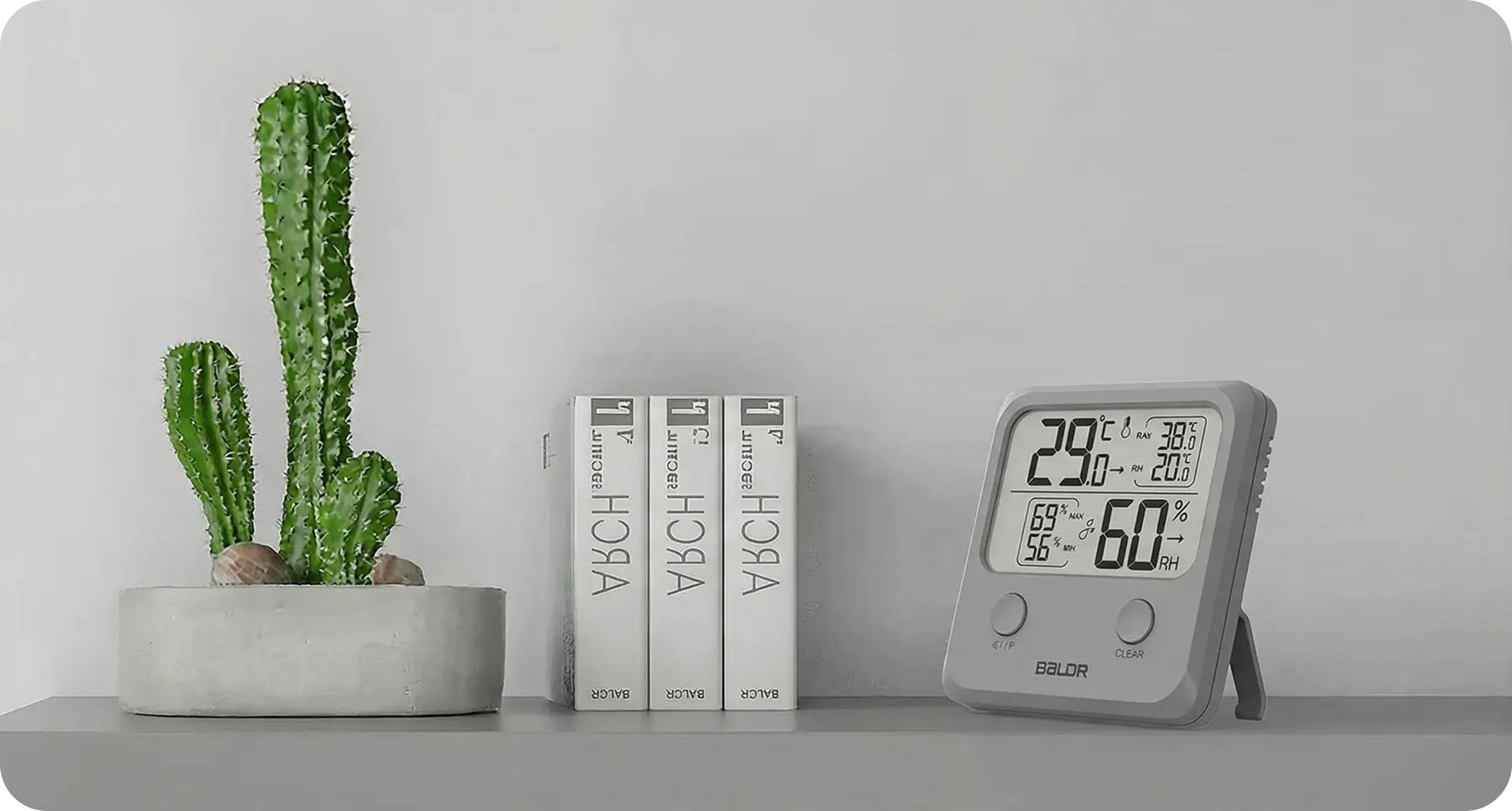
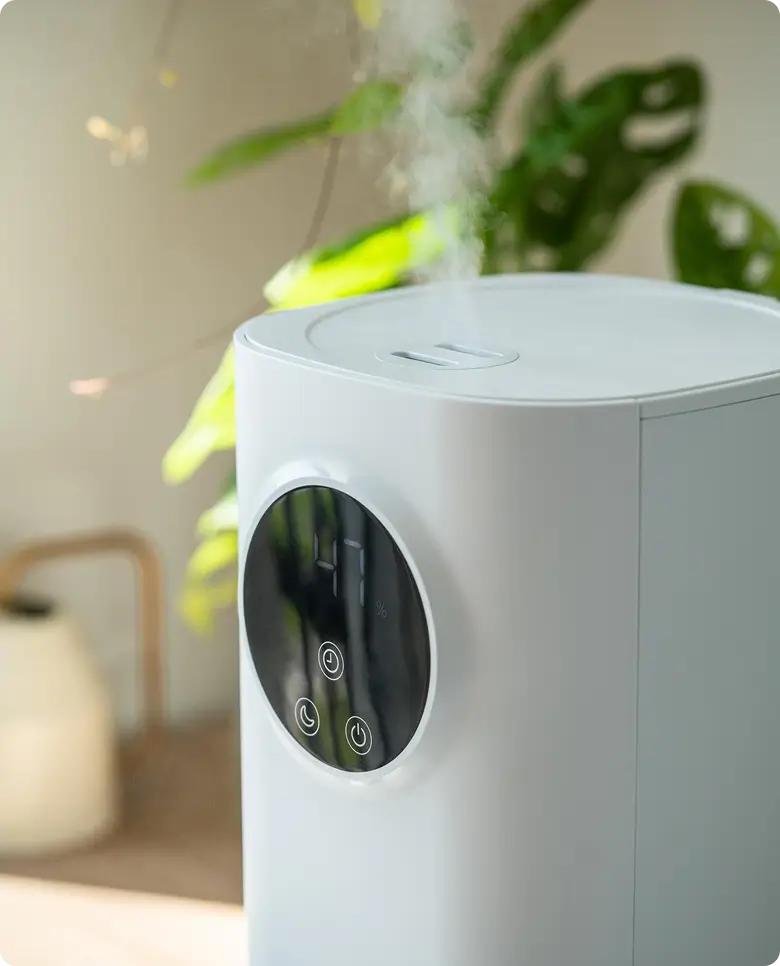
Staying within this range helps maintain comfort while protecting both your health and your home. You can monitor humidity easily using a digital hygrometer or indoor thermometer—an inexpensive tool that gives instant readings.
Signs Your Home’s Humidity Is Off
You don’t need special equipment to notice something’s wrong. Common signs include:
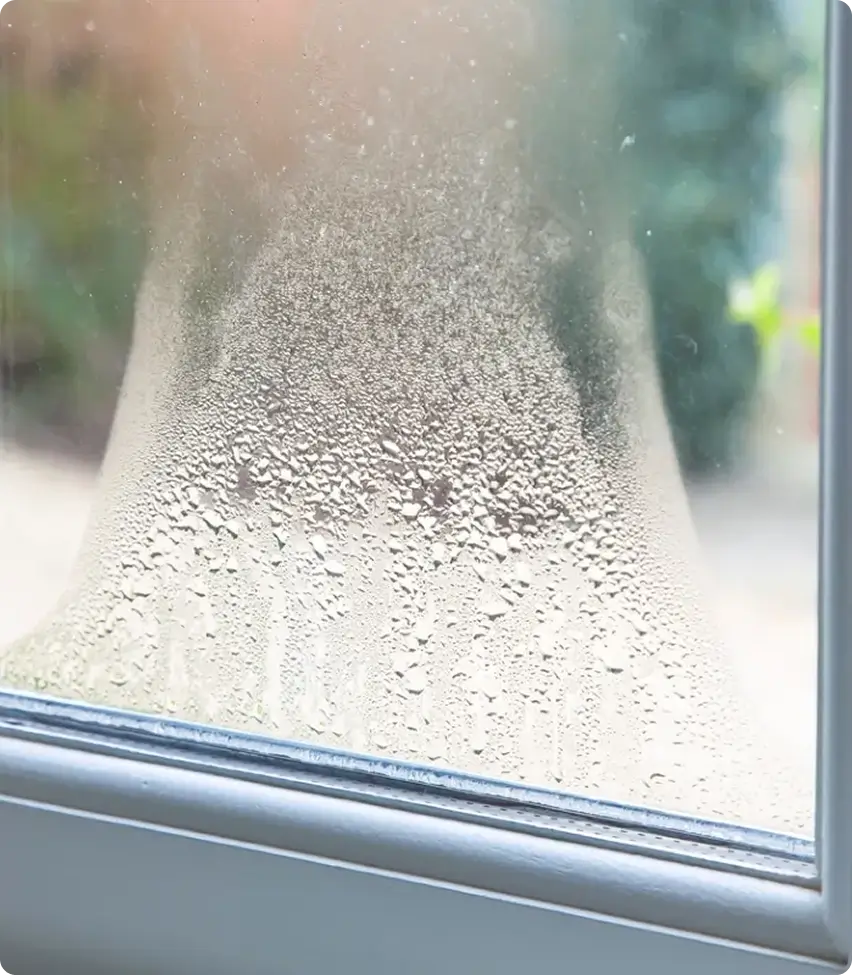
- Condensation on windows or cold surfaces
- Mold or mildew spots on walls or ceilings
- Stuffy air or unpleasant odors
- Cracking woodwork or gaps around trim and floors
- Dry throat, itchy eyes, or irritated skin
- Frequent coughing or worsened asthma symptoms
If you notice these regularly, it’s a clear signal that your humidity levels need attention—and possibly an underlying issue like poor ventilation or insulation.
During an inspection, our certified inspectors can identify where moisture is forming and will investigate if it’s caused by condensation, air leaks, or hidden plumbing issues.

When There’s Too Much Humidity
High humidity is a common summer problem, especially in older Montréal homes with less ventilation.
Excess moisture can:
- Encourage mold, fungus, and dust mites
- Lead to condensation on windows and walls
- Cause paint to peel or plaster to soften
- Damage wood furniture and flooring
Beyond comfort, mold and dampness can trigger allergies and asthma, making humidity control a real health concern.
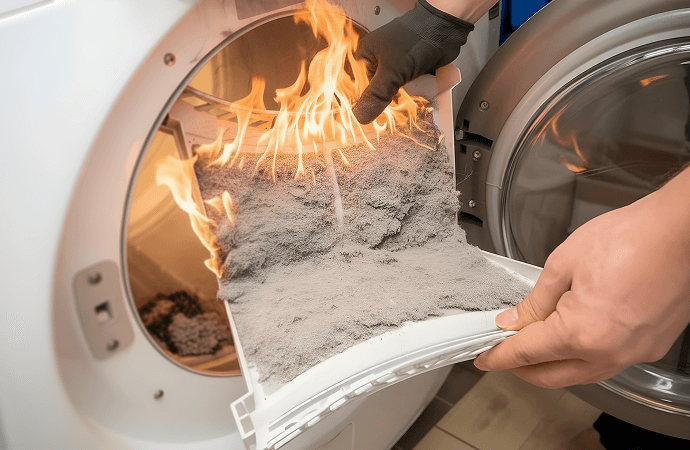
A Mose home inspection often identifies causes of high humidity—such as unvented dryers, blocked air vents, or poorly sealed crawl spaces.
When the Air Is Too Dry
In winter, heating systems pull moisture from the air. That dryness can cause:
- Cracked lips and dry skin
- Sore throats and coughing
- Irritated nasal passages
- Shrinkage and cracking of wooden doors, floors, and frames
Dry air can even increase static electricity—and the risk of respiratory irritation.
If you notice these symptoms each winter, it may be time to check your ventilation, insulation, and humidity sources.


How Humidity Affects Your Home’s Structure
Unbalanced humidity doesn’t just affect comfort — it impacts your property’s long-term health.
- High humidity can weaken drywall and encourage rot in framing materials.
- Low humidity can cause joints, floors, and trims to separate.
- Improper balance increases airborne toxins and supports mold growth.
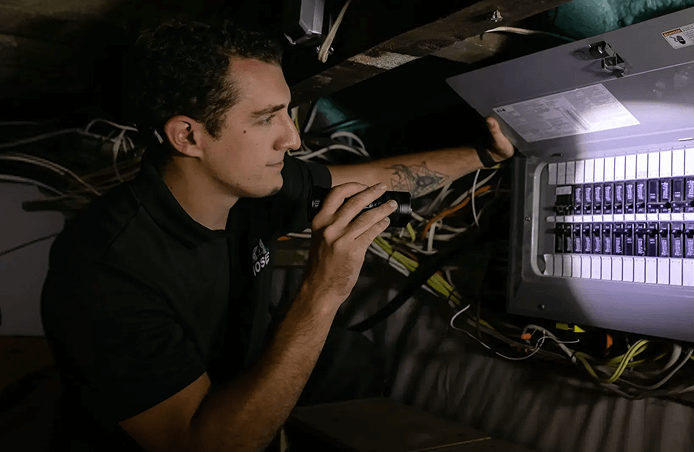
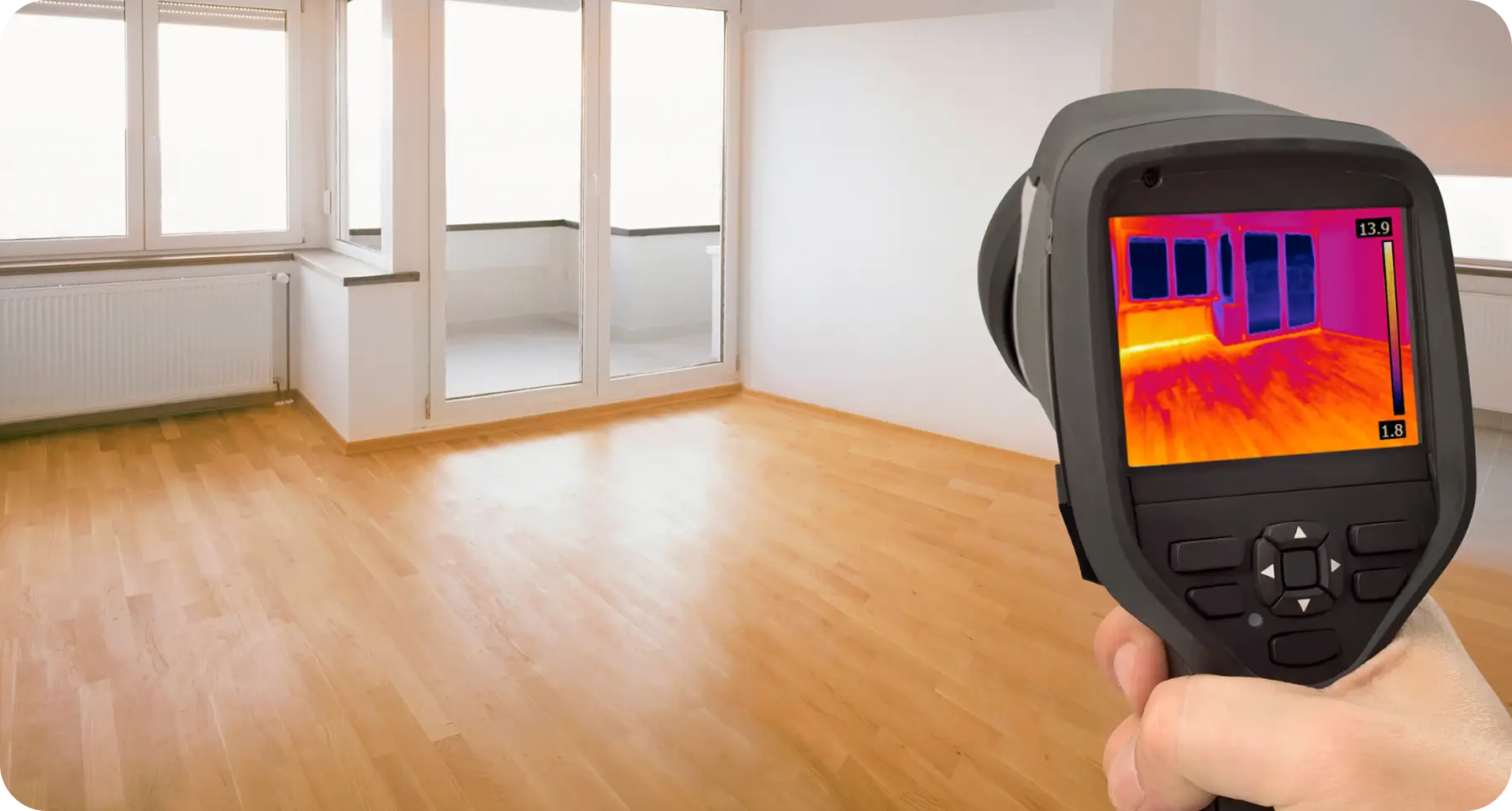
During an inspection, Mose’s certified inspectors use observation, touch, smell, and moisture meters to identify problem areas such as condensation inside walls, inadequate ventilation in attics, or insulation gaps that affect temperature and humidity control.
How Mose Home Inspection Helps
Humidity and moisture problems often start where you can’t see them — behind walls, in the attic, or under flooring.
During a pre-purchase or pre-listing inspection, Mose’s team checks for:
- Signs of leaks
- Insufficient insulation
- Ventilation issues that affect indoor comfort and energy efficiency
You’ll receive a clear, diligent Mose Report outlining your home’s condition, risk factors, and practical recommendations to help maintain ideal indoor humidity year-round.
Insights & Tips for
Smart Homeowners
Smart Homeowners