You May Have the Wrong Type
Few things are more frustrating than a smoke detector that goes off every time you cook or burn toast. Unfortunately, this annoyance often leads homeowners to remove the batteries or disable the alarm altogether — a decision that significantly reduces home safety.
At Mose Home Inspection, we regularly encounter disabled or missing smoke detectors during residential inspections. In many cases, the issue isn’t homeowner negligence, but simply the wrong type of smoke detector installed in the wrong location.
Understanding how different smoke detectors work can help reduce nuisance alarms without compromising safety.

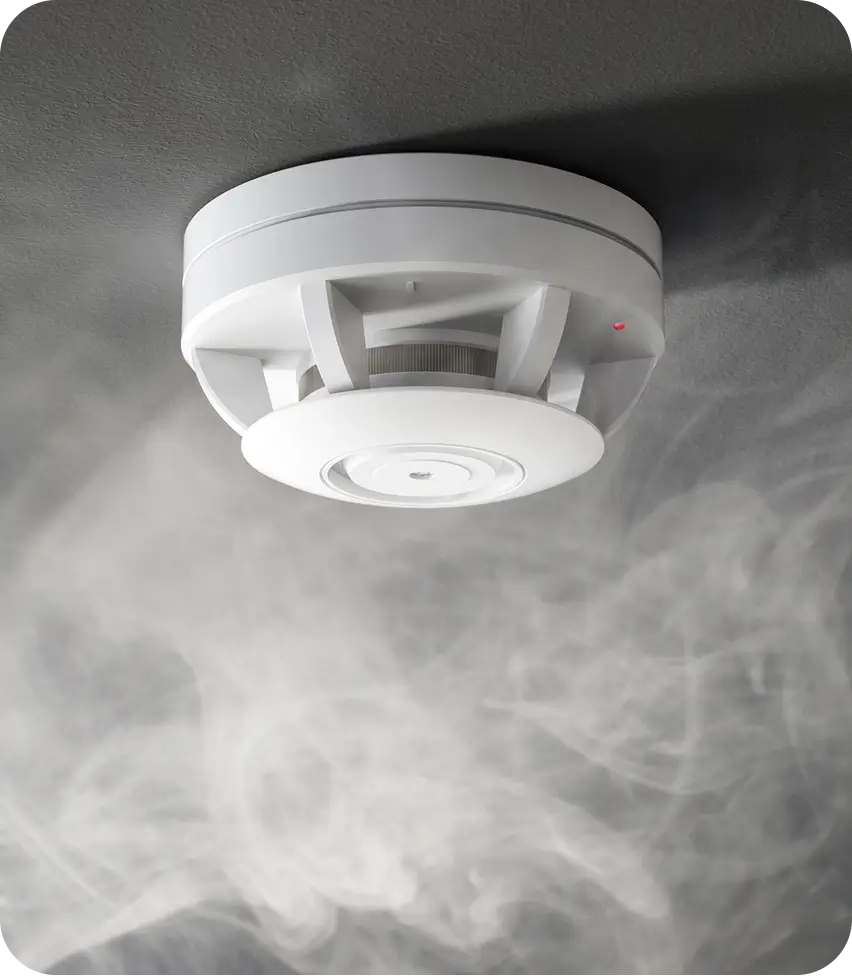
Why Smoke Detectors Go Off During Cooking
Smoke detectors are designed to sense airborne particles produced by combustion. Some types are especially sensitive to small particles, such as those generated by cooking, toasters, or ovens.
If your alarm frequently sounds while cooking, the solution is usually choosing the right detector technology, not disabling the alarm.
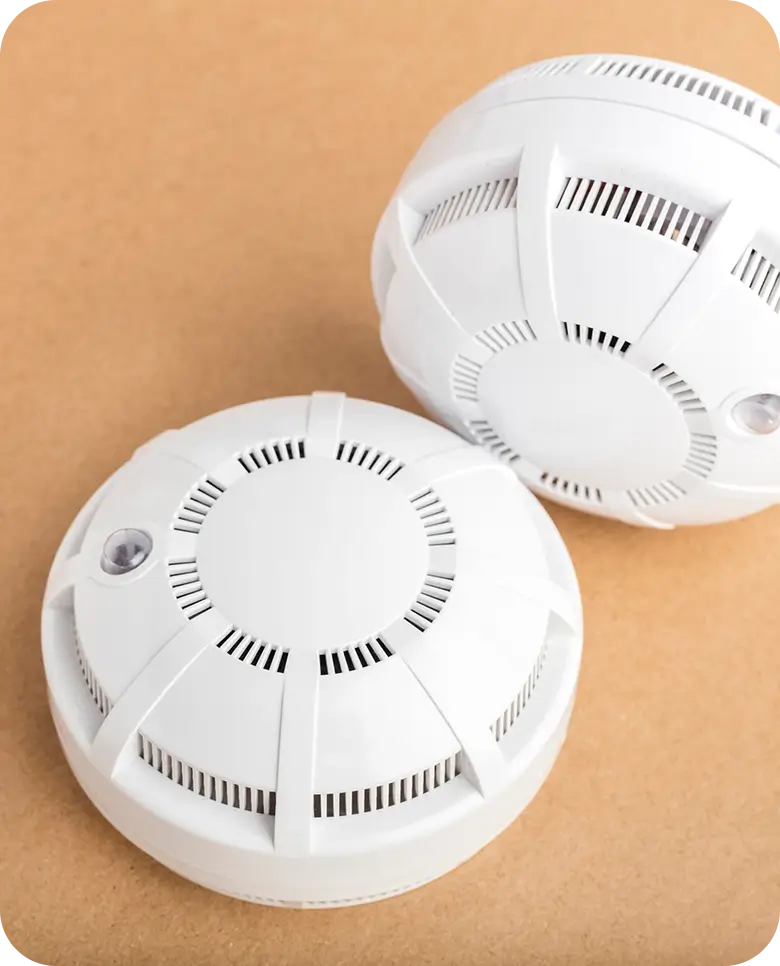
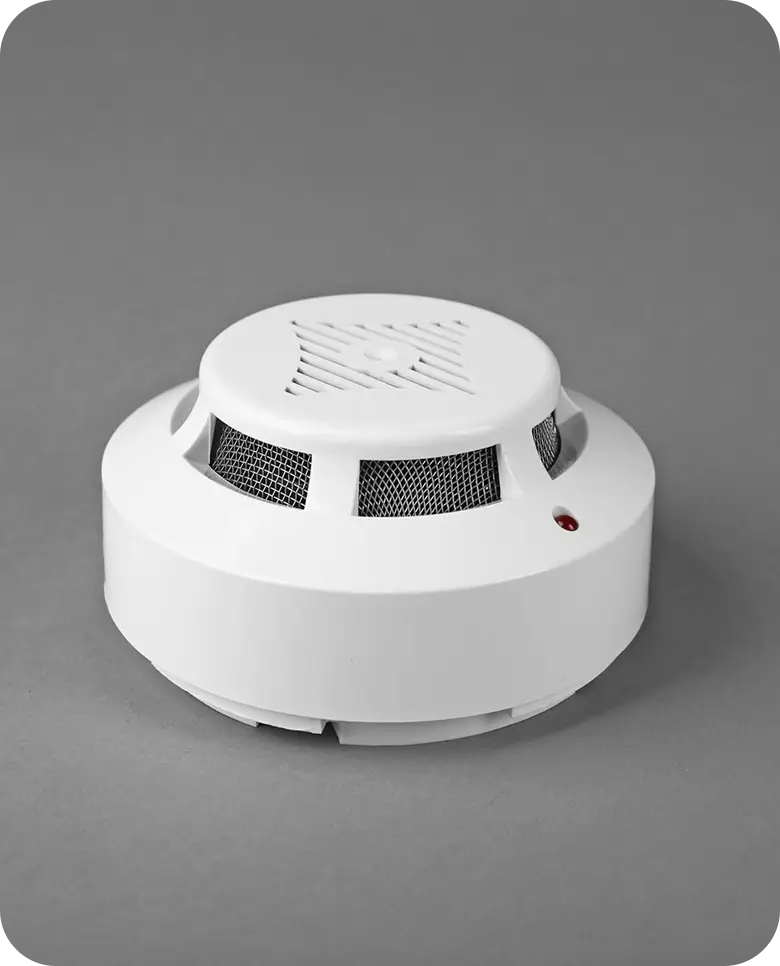
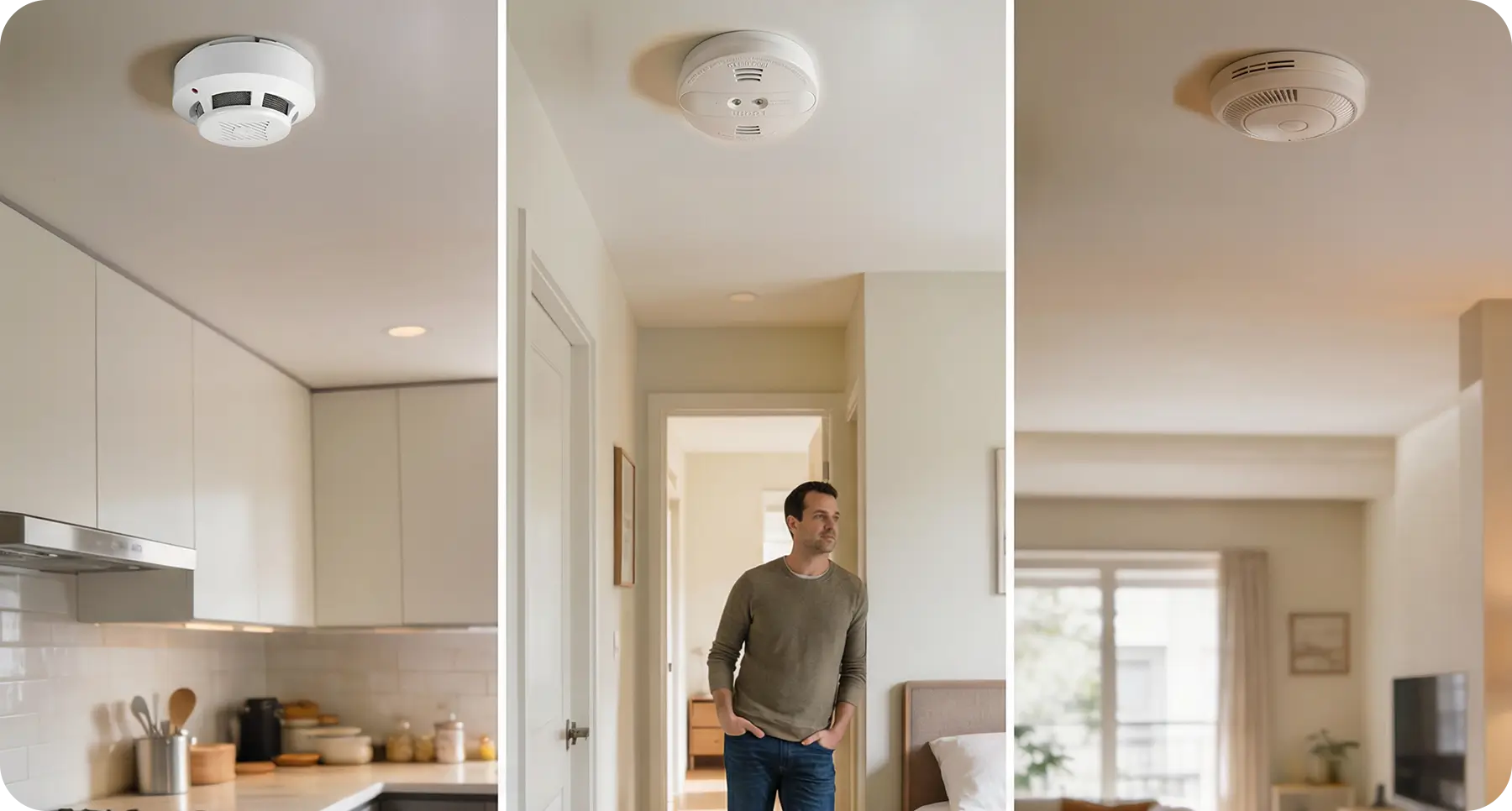
Which Smoke Detector Is Best for Your Home? Which Smoke Detector Is Best for Your Home?
There is no single “perfect” alarm for every situation, but general guidance includes:
- Near kitchens: Photoelectric smoke detectors
- Bedrooms and hallways: Dual-sensor smoke detectors
- Overall safety: Multiple alarms placed throughout the home
The key is the right detector in the right location, not disabling alarms.
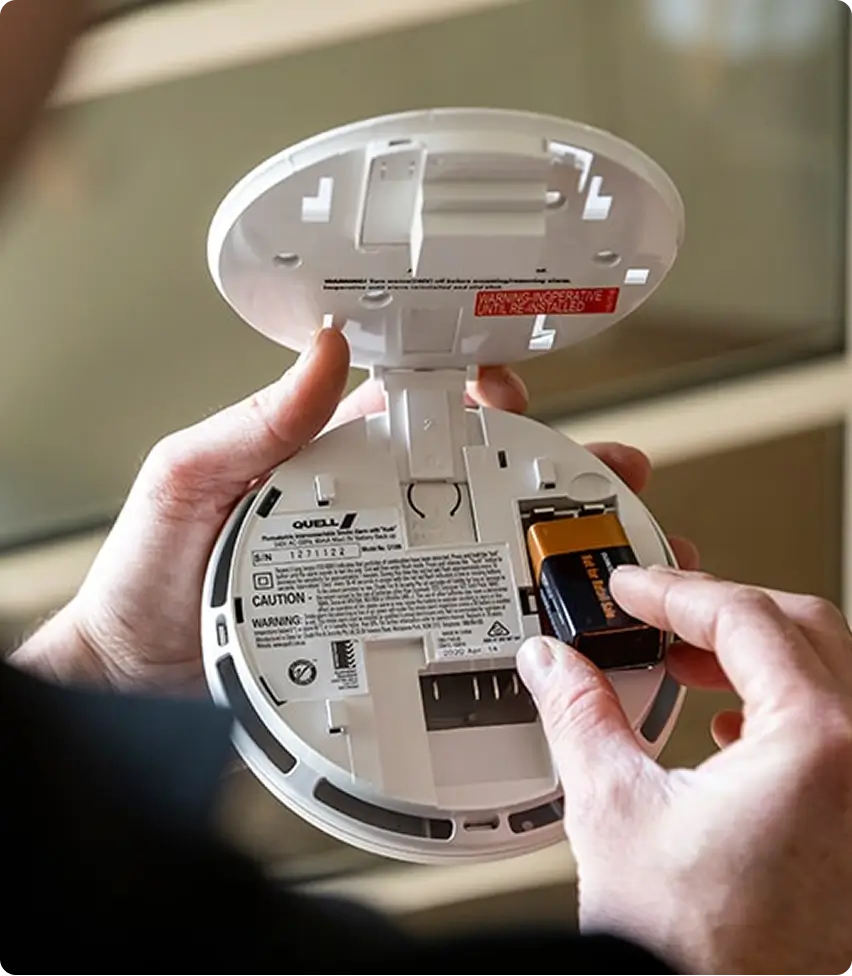
Why Disabling a Smoke Detector Is Dangerous
Removing batteries or disabling a smoke detector eliminates one of the most important safety systems in your home.
Smoke detectors are designed to:
- Provide early warning
- Allow time to evacuate
- Reduce the risk of injury and property damage
Even a short period without a functioning alarm increases risk.
What Home Inspectors Look For
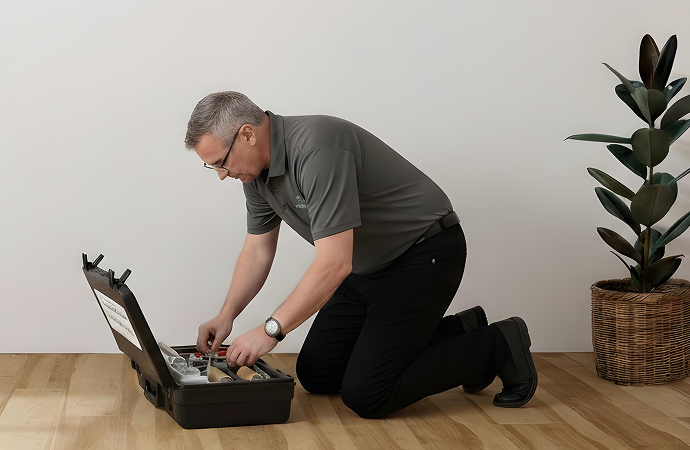
During a home inspection, Mose inspectors perform a visual, non-invasive assessment of smoke detectors.
Inspectors typically note:
- Presence of required smoke detectors
- General placement
- Apparent condition and age
- Signs of missing or disabled units
Inspectors do not test sensitivity levels or certify performance, but they document visible deficiencies.
Maintenance Tips for Homeowners
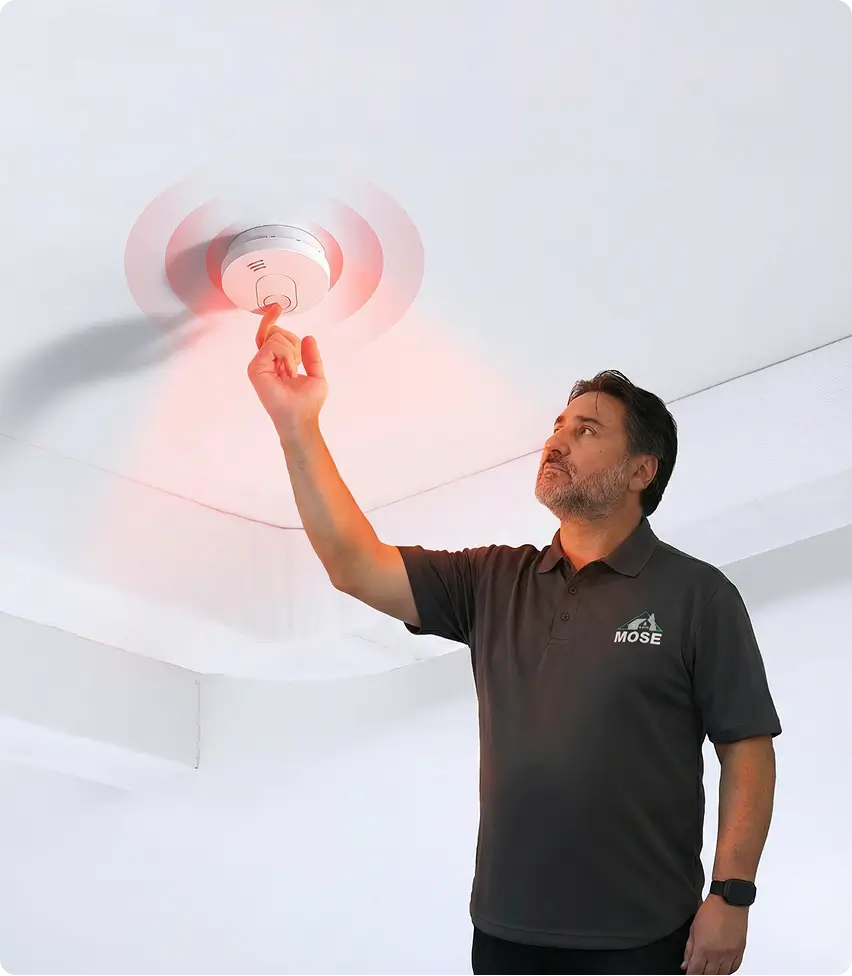
- Test smoke detectors regularly
- Replace batteries at least once a year
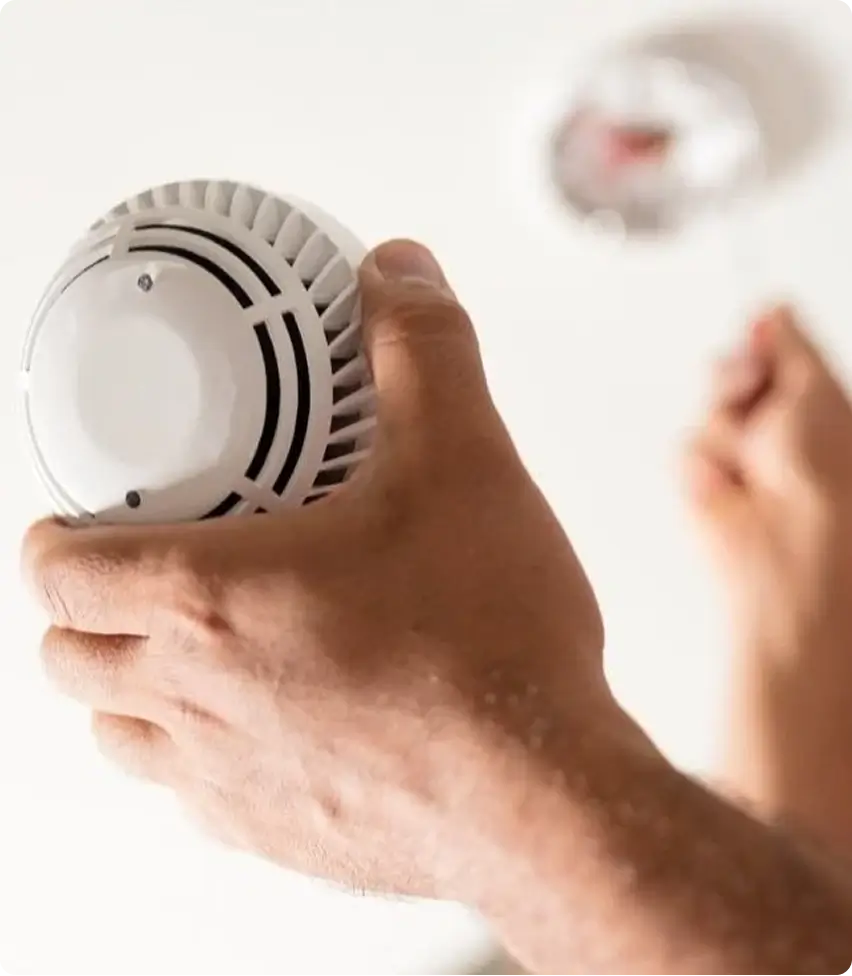
- Replace smoke detectors every 10 years
- Keep alarms clean and free of dust
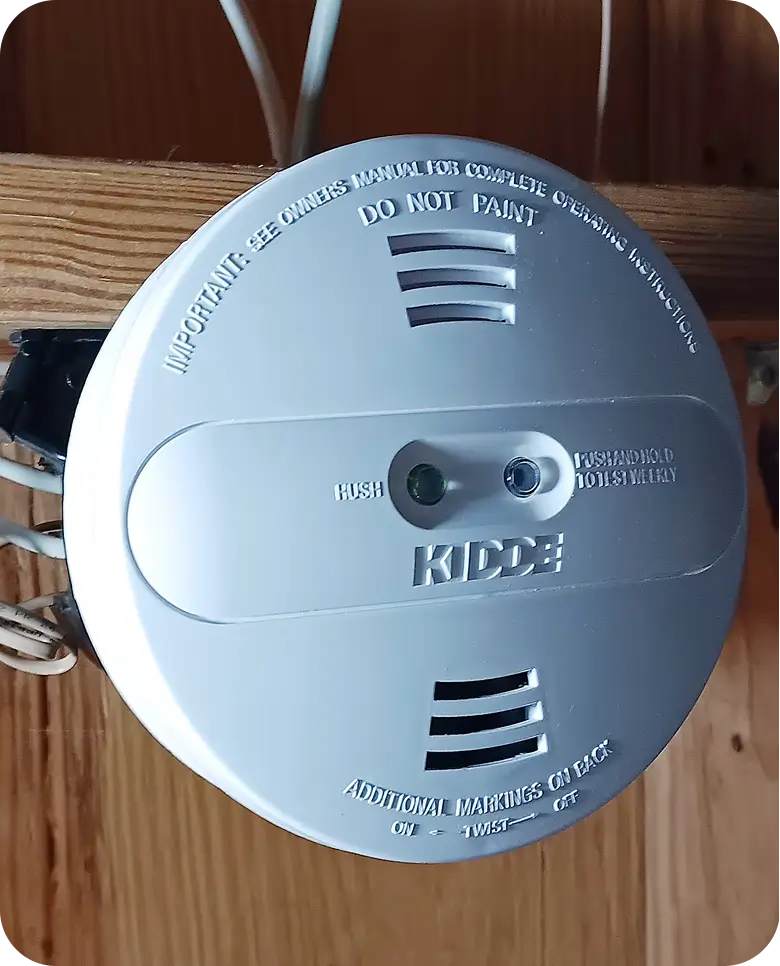
- Never paint over a smoke detector
A good reminder: check your smoke detectors when you change the clocks.
Insights & Tips for
Smart Homeowners
Smart Homeowners