Things that go bump in the night: what house noises mean, from a home inspection in Montreal
It is late, the house is quiet, and then you [...]

Ivan Mose
Founder and CEO, Certified
Master Inspector
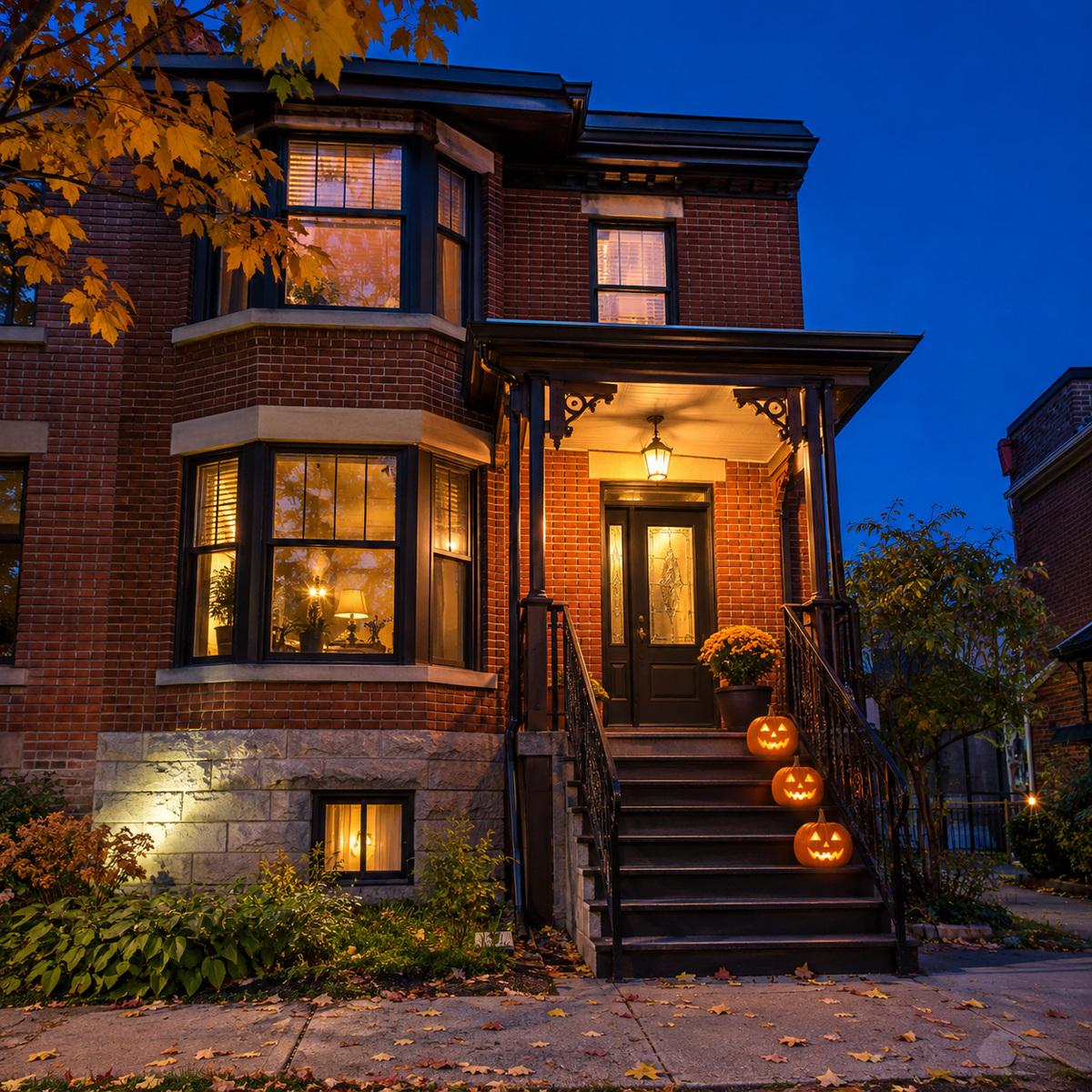
It is late, the house is quiet, and then you hear it. A sharp crack from the ceiling. A knock in the wall. A soft scratching above the bedroom. On Halloween night it makes for a good story, but most homeowners hear these sounds all year long, and they wonder the same thing every time: is that normal, or should I worry? The honest answer is that most house noises are harmless. Houses expand, contract, heat up and cool down, and they make sounds while they do it. A few noises, though, point to something worth a closer look. This article walks through the most common night-time sounds in Greater Montreal homes, what usually causes them, and the visible signs a home inspector notes when a noise might mean more.
Creaks and pops: a house that moves with the seasons
The most common night noise is a creak or a pop that seems to come from nowhere. In most cases, it is the house itself adjusting to a change in temperature.
Wood framing, floor joists, trusses and subfloors all shrink a little as the air cools and the indoor humidity drops. Metal ductwork does the same thing, only louder. When the furnace starts or stops, the ducts warm or cool quickly and can make a ticking or booming sound as the metal shifts. In the evening, when the temperature outside falls fast, these small movements add up to a series of pops that can sound like footsteps.
Montreal makes this more noticeable than many places. A fall day can swing from 15°C in the afternoon to near freezing at night, and January cold snaps can drop well below minus 20°C. Older homes in neighbourhoods like Rosemont, Verdun or Notre-Dame-de-Grâce often have plank subfloors and long wood joists that settle and creak with every change in season. Newer homes in Laval or Vaudreuil-Dorion have their own sounds, often from engineered floor systems and long duct runs.
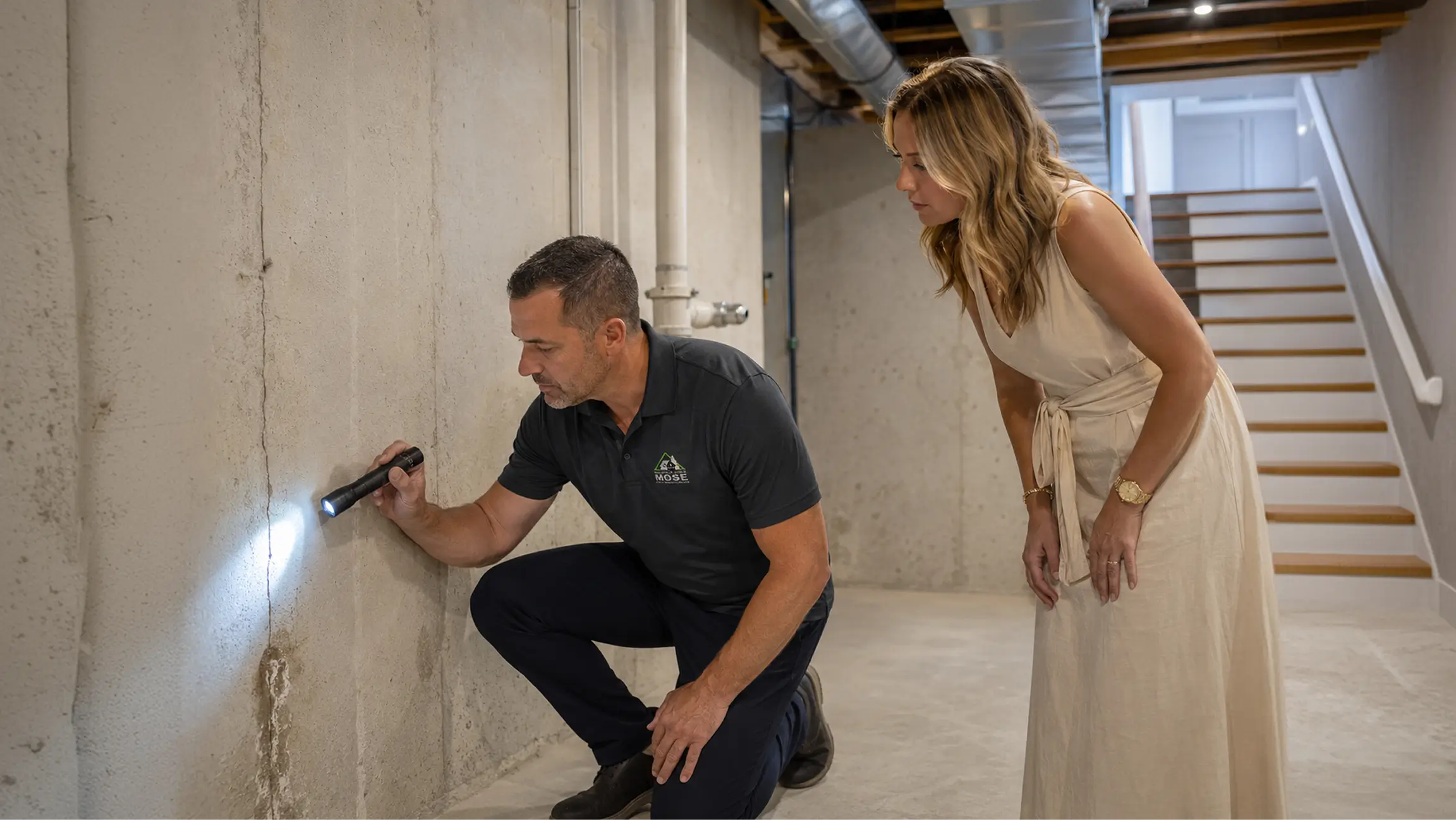
So when is a creak worth a closer look? On its own, rarely. What matters is whether the sound comes with something you can see. During a home inspection, the inspector looks for visible signs such as:
- New cracks in drywall or plaster, especially ones that grow over time
- Doors or windows that suddenly stick or no longer latch
- Floors that feel soft, bouncy or noticeably out of level
- Gaps opening between walls and ceilings or around trim
When signs like these appear together, the report documents them with photos. If they suggest a possible structural concern, the inspector recommends a review by a licensed engineer. A noise alone is not a diagnosis, but a noise plus a visible sign is worth writing down.
Bangs and knocks in the plumbing and heating
A loud bang in the wall right after someone turns off a tap or the washing machine finishes filling is a classic. Plumbers call it water hammer. Water moving through the pipes stops suddenly when a valve closes, and the shock wave makes the pipe jump against the framing. It is common, and the sound can be startling at 2 a.m. when the dishwasher cycles.
Heating systems have their own soundtrack. Many older Montreal plexes still use hot water radiators, and these can knock, gurgle or clank when the system starts up for the season. Air trapped in the system is a frequent cause. Electric baseboard heaters, very common across Quebec, often tick as the elements warm and cool. Forced-air furnaces can hum, click and whoosh as they cycle.
Most of these sounds are part of normal operation. Some are worth bringing up with a plumber or heating technician, especially when they are new, getting louder, or come with other changes. Signs a home inspector notes during a visit include:
- Water stains, rust or mineral crust around pipes, valves and fittings
- Visible leaks or damp areas under sinks and around the water heater
- Pipes that are loose, poorly supported or rubbing against framing where they can be seen
- Signs of leaking or corrosion at radiators and their valves
An inspector does not open walls or take systems apart. The inspection is visual and covers what is accessible on the day of the visit. When the visible signs point to a plumbing or heating issue, the report recommends a qualified trade to look further. For heating appliances in particular, regular servicing by a licensed technician is a good habit for any homeowner, whatever the noise.
Scratching and scurrying in the walls and attic
Some sounds are not the house at all. A light scratching or scurrying inside a wall or above the ceiling, often at dusk or in the early morning, is a common sign that a small animal has moved in. In Greater Montreal, the usual suspects are mice, squirrels and, in some neighbourhoods, raccoons.
Fall is their season. As the nights get colder, mice look for warmth and squirrels look for a quiet, dry attic. A mouse can fit through a gap about the width of a pencil. Squirrels and raccoons look for loose soffits, damaged roof vents and gaps where the roofline meets the wall.
A home inspection is not a pest inspection, and inspectors do not identify or count animals. What they do note are the visible signs animals leave behind, such as:
- Droppings along walls, behind appliances or in the attic
- Tunnels or flattened areas in attic insulation
- Chewed or torn soffits, vents, weatherstripping or wiring insulation where visible
- Gaps around pipes, cables and vents that could allow entry
When these signs are present, they go in the report with photos and a recommendation to contact a pest control or wildlife professional. We cover this topic in more depth in our article on mice and wildlife, which publishes this week.
Cracks and booms on the coldest nights
On a very cold, clear night, some homes make a sudden loud crack, sharp enough to wake people up. In winter, a common cause is the framing and the roof reacting to deep cold. Wood shrinks, nails shift, and a joint can release with a bang. Many people call these frost pops.
Winter also brings sounds from the roof. Ice and snow can shift or slide, and ice can form at the edges of the roof when heat escaping from the house melts snow that then refreezes at the colder eaves. These ice formations, often called ice dams, can make creaking or cracking sounds as they grow and break off.
Like the other noises, a frost pop on its own is usually not a concern. The useful question is whether there are visible signs that go with it. A home inspection in Montreal looks at the attic and roof areas that are safely accessible, and the inspector notes signs such as:
- Staining, frost or dampness on the underside of the roof sheathing
- Nail heads with frost or rust in the attic
- Drywall nail pops or hairline cracks on upper-floor ceilings
- Staining on ceilings or walls near the exterior edges of the house
These signs can point to moisture, ventilation or insulation questions that are worth having a roofer or insulation specialist look at. The inspector documents what is visible and leaves the diagnosis to the right specialist.
The bottom line
Houses make noise. Most of the creaks, knocks and ticks you hear at night are simply a home adjusting to Montreal’s big swings in temperature, or a heating system doing its job. The sounds worth paying attention to are the new ones, the ones that keep getting louder, and the ones that come with something you can see: a stain, a crack, a sticking door, droppings in the attic. A home inspection in Montreal will not hear what you hear at night, but it can document the visible signs that help explain it. If you are buying a home in Montreal, Laval or Vaudreuil-Dorion, or you want a clearer picture of the one you live in, we would be glad to help you understand what you are seeing.
Disclaimer: This article is intended for general informational purposes only. Mose Home Inspection Services does not provide repair cost estimates, contractor recommendations, or opinions on the financial terms of any real estate transaction. All inspection services are conducted in accordance with recognized Quebec standards of practice (APCHQ, AIBQ, BNQ 3009-500). For repair pricing and contractor selection, consult a licensed professional in the relevant trade.
Frequently Asked Questions
Q1. Is it normal for my house to creak and pop at night? A: In most cases, yes. Wood framing, floors and metal ducts expand and contract as the temperature changes, especially when it drops in the evening. A creak is worth a closer look mainly when it comes with visible changes, such as new cracks or doors that start to stick.
Q2. What causes a loud bang in the pipes when a tap is turned off? A: This is often water hammer. Water moving through the pipe stops suddenly when a valve closes, and the shock makes the pipe move. If it is frequent or getting worse, a plumber can assess it and suggest options.
Q3. Why do my radiators knock when the heat comes on in the fall? A: Hot water radiators, common in older Montreal homes, can knock or gurgle when the system starts up, often because of trapped air. A heating technician can check the system. During an inspection, the inspector notes visible signs such as leaks or corrosion at radiators and valves.
Q4. Will a home inspector find animals in my walls or attic? A: A home inspection is not a pest inspection, and inspectors do not identify or count animals. The inspector notes visible signs such as droppings, disturbed insulation and entry gaps. When those signs are present, the report recommends contacting a pest control or wildlife professional.
Q5. What is a frost pop? A: A frost pop is a sudden loud crack on a very cold night, usually caused by framing and nails shifting as the wood shrinks in deep cold. On its own, it is usually not a concern. Visible signs such as attic frost, staining or drywall nail pops are worth having a specialist look at.
Q6. Can a home inspection tell me exactly what is causing a noise? A: Not usually. An inspection is visual and non-invasive, and it covers what is visible and accessible on the day of the visit. The inspector documents signs that may be related to a noise and recommends the right specialist when further evaluation is needed.
🏡 Want to know more about what can stay out of sight? Read our guide to hidden defects in Quebec real estate.
🔧 Found something after the inspection? See our article on how to manage repairs without losing the sale.