Bidets have long been common in Europe and parts of Asia, but they are becoming increasingly popular in Canadian homes — including here in Québec.
Once considered a luxury or cultural curiosity, modern bidets and bidet attachments are now valued for comfort, hygiene, accessibility, and reduced paper use.
At Mose Home Inspection, we often encounter bidets during residential inspections. Whether you’re a homeowner, buyer, or real estate professional, understanding how bidets work — and how they’re evaluated during a home inspection — is important.
This guide explains what a bidet is, how it functions, its benefits, common installation types, and what inspectors look for.
What Is a Bidet?
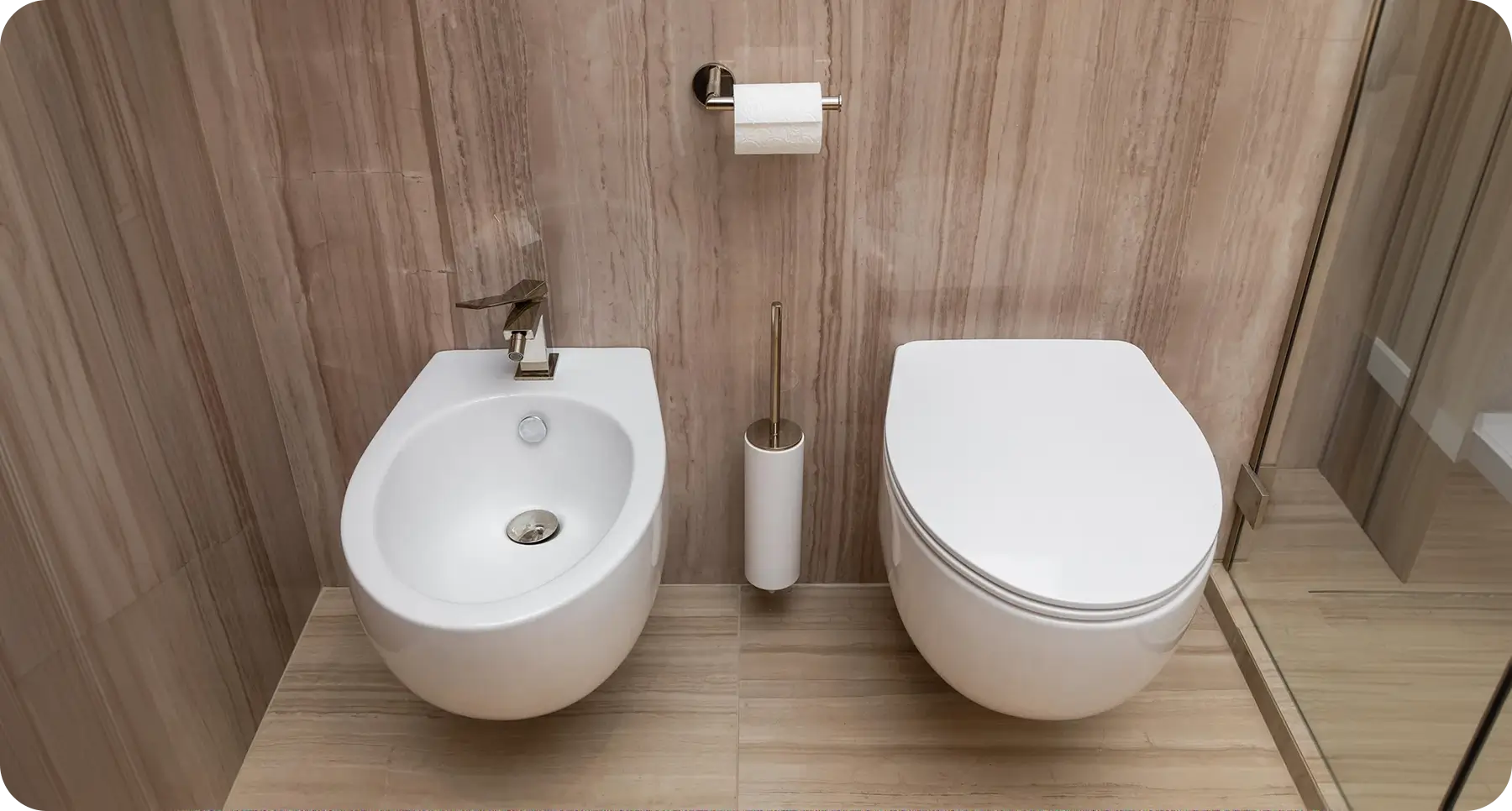
A bidet is a bathroom fixture designed for personal hygiene using water after using the toilet. It does not replace the toilet — it complements it.
Bidets are used to clean the:
- Anal area
- Inner buttocks
- External genital area
- In modern homes, bidets are commonly found as:
- Standalone porcelain fixtures
- Integrated bidet toilets
- Bidet toilet seats
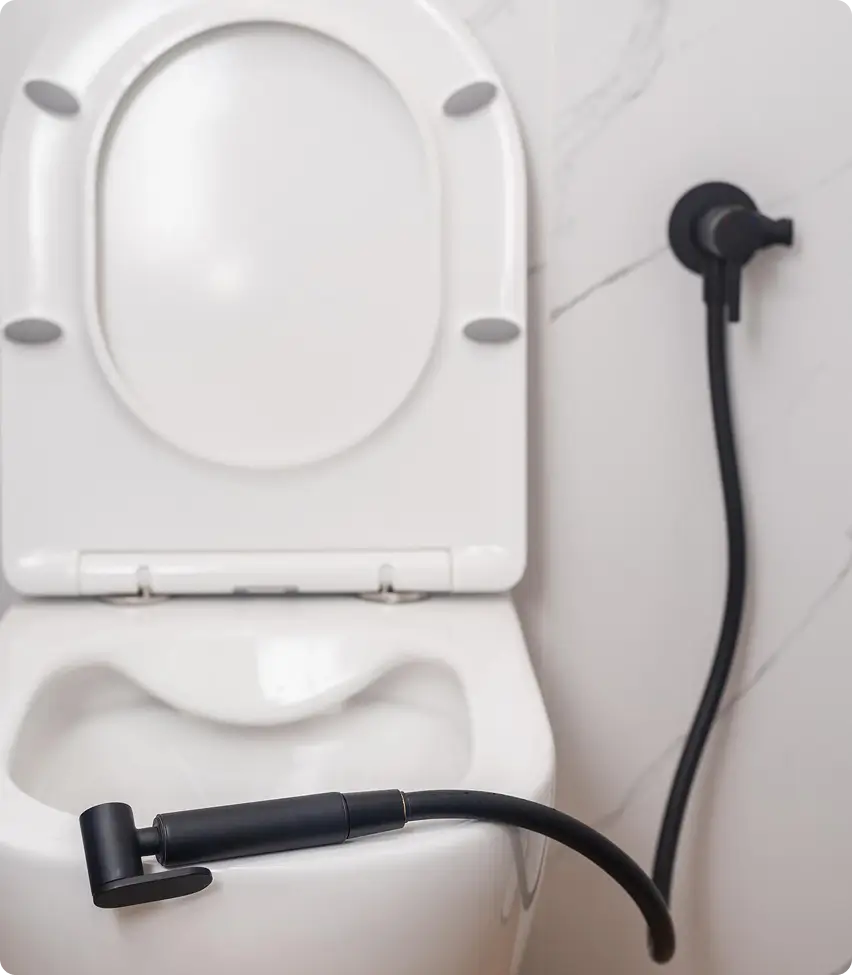
- Bidet attachments added to existing toilets
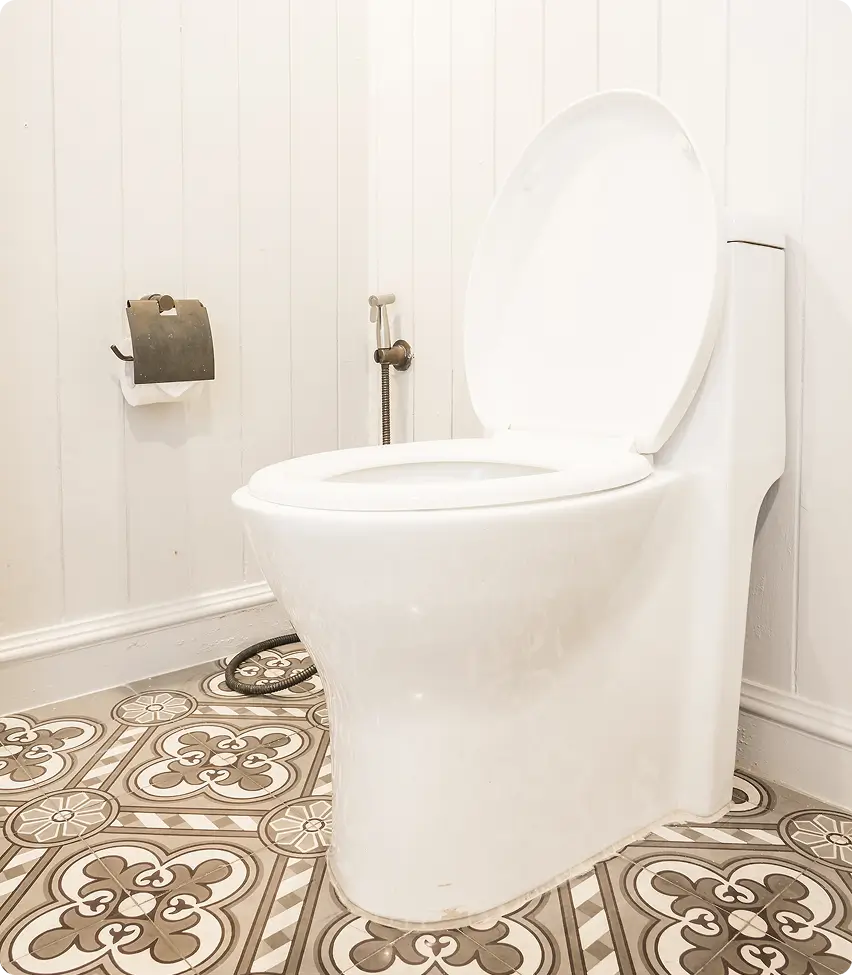
Most bidets emit a controlled stream of clean water from a nozzle. Depending on the model, water temperature, pressure, and spray direction can often be adjusted.
Types of Bidets Found in Homes
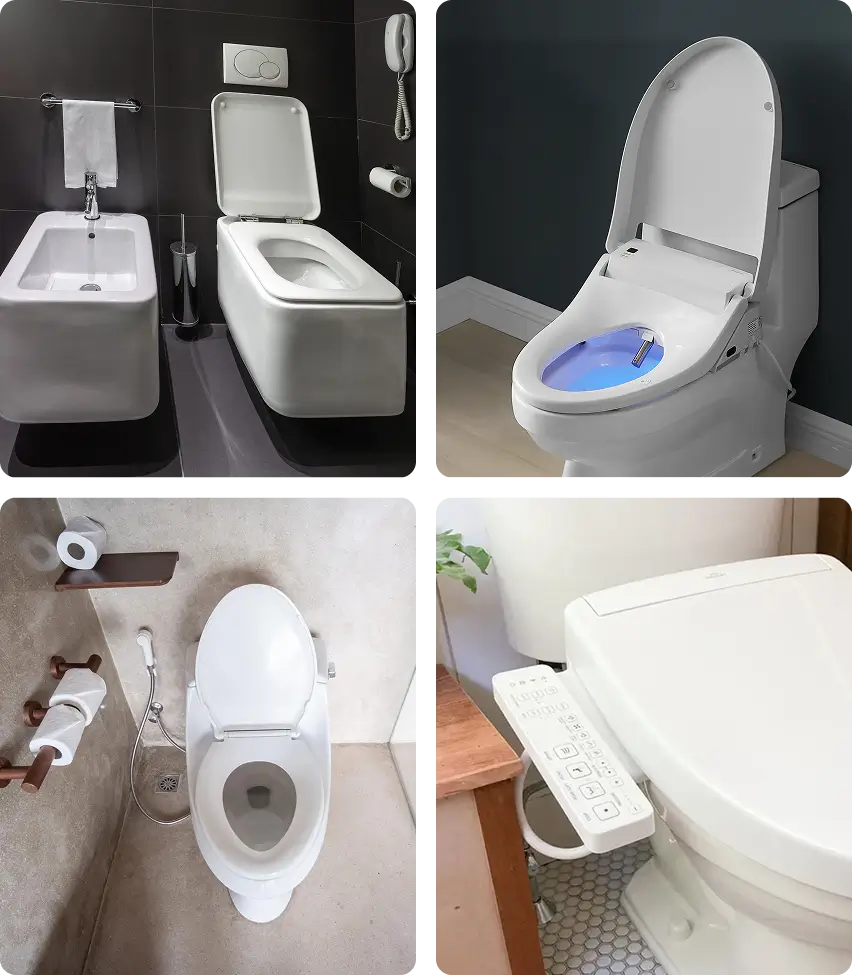
1. Standalone Bidets
These resemble a low sink or toilet and are installed beside a standard toilet. They require additional plumbing and space.
2. Integrated Bidet Toilets
These combine a toilet and bidet into one unit and are common in modern renovations and high-end bathrooms.
3. Bidet Toilet Seats
These replace the existing toilet seat and may include features such as heated water, adjustable pressure, air drying, and deodorization.
4. Bidet Attachments
These are mounted under an existing toilet seat and connect to the water supply. They are the most affordable option but must still be installed correctly to avoid leaks or backflow risks.
Benefits of Using a Bidet
Many homeowners choose bidets for practical reasons, including:
- Improved comfort compared to dry wiping
- Reduced toilet paper use
- Accessibility benefits for seniors or people with limited mobility
- Gentler hygiene option for individuals with certain sensitivities
- Modern appeal in renovated bathrooms
While personal preferences vary, bidets are increasingly viewed as a convenience feature rather than a novelty.
Installation & Safety Considerations
Like any plumbing or electrical fixture, bidets must be installed correctly.
Plumbing considerations:
- Secure water connections
- Leak-free fittings
- Proper backflow prevention (where required)
Electrical considerations (for powered bidets):
- GFCI-protected outlets
- Proper grounding
- Manufacturer-approved installation
Improper installation can lead to moisture damage, electrical hazards, or plumbing issues.
What Home Inspectors Look For
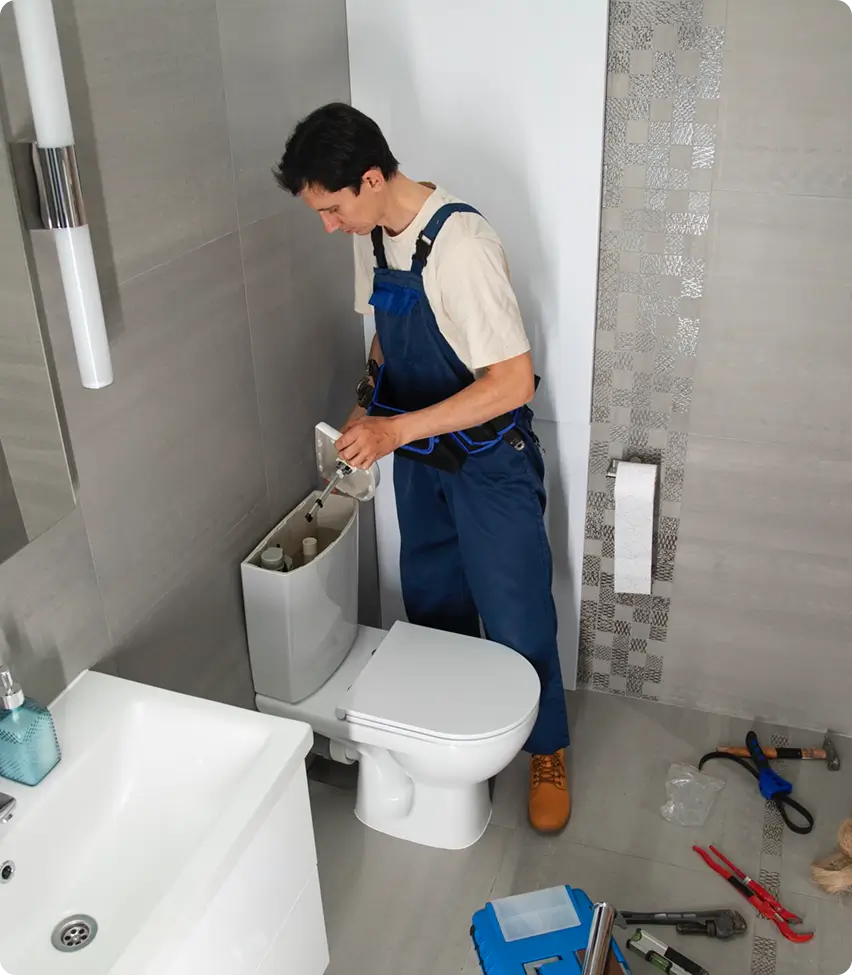
During a home inspection, Mose inspectors do not perform invasive testing or operate bidets for personal use. Inspections are visual and non-invasive.
Inspectors typically assess:
- Visible leaks or moisture
- Proper installation and stability
- Electrical safety (if applicable)
- Signs of wear, corrosion, or damage
- Overall integration with existing plumbing
Inspectors do not:
- Adjust personal comfort settings
- Test spray performance
- Evaluate hygiene effectiveness
Maintenance Tips for Homeowners
To keep bidets in good condition:
- Clean the nozzle regularly
- Watch for slow leaks or dripping
- Replace filters if required
- Follow manufacturer maintenance guidelines
- Address moisture issues promptly
Routine maintenance helps prevent water damage and extends the life of the fixture.
Are Bidets Becoming More Common in Canada?
Yes. Bidets are increasingly found in:
- New construction
- Condo renovations
- Accessible bathroom designs
- High-end or eco-conscious homes
While they do not automatically increase property value, many buyers see them as a modern comfort feature.
Insights & Tips for
Smart Homeowners
Smart Homeowners