Is a Winter Home Inspection Less Valuable Than Other Seasons? Think Again.

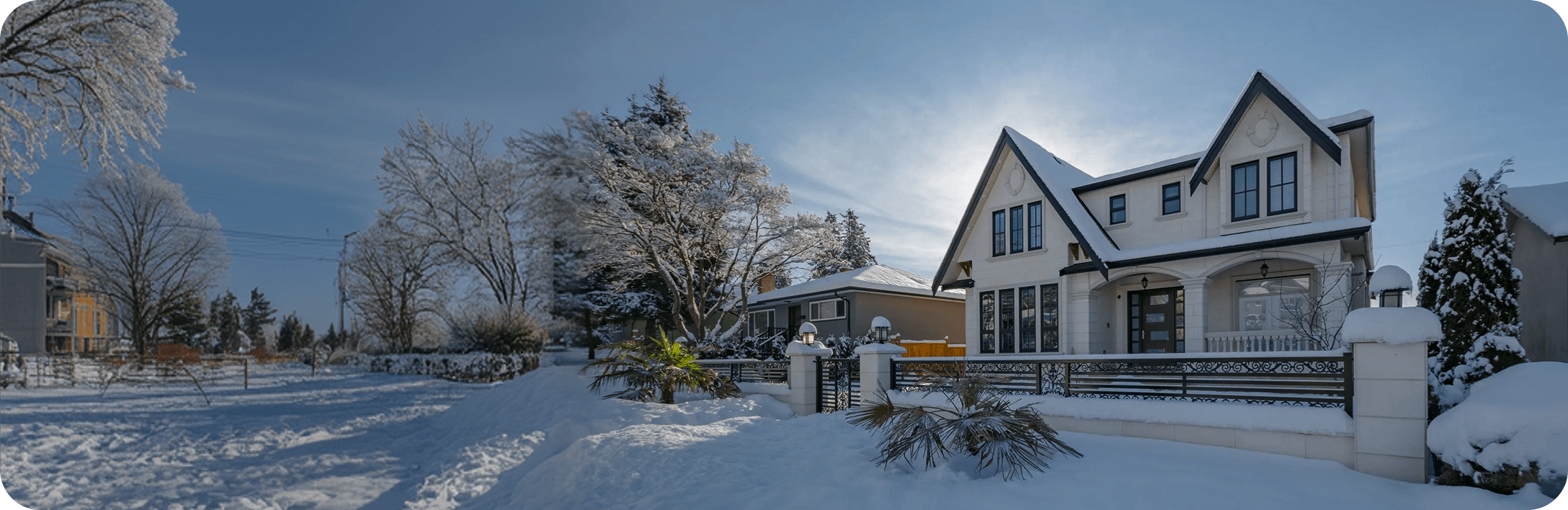
Many buyers hesitate to book a home inspection in winter. Snow, ice, and cold temperatures can raise concerns about visibility and access.

While it’s true that inspectors will not walk on snow-covered sloped roofs for safety reasons, winter still provides valuable insight into how a home performs under real conditions.
At Mose Home Inspection, we believe that winter conditions in Montreal and across Québec can reveal important information about insulation, ventilation, moisture, and structural performance. Here’s why winter inspections remain highly valuable.
1- The Roof: Reading Snow Patterns on Sloped Roofs

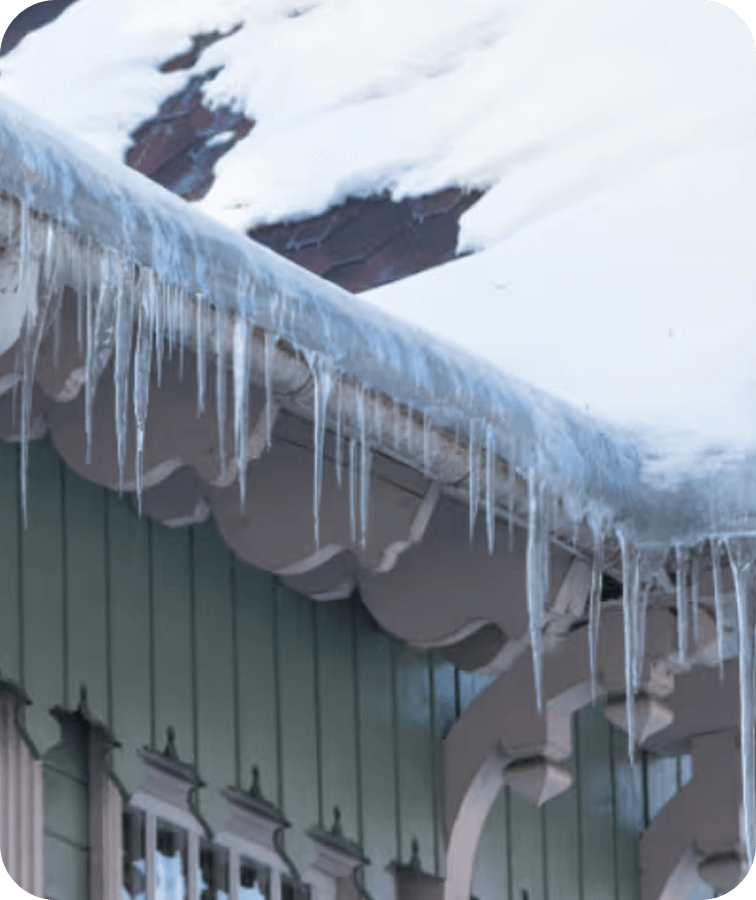
Even when shingles are covered, snow patterns can reveal useful information—especially on sloped roofs.

  • Ice Dams (Ice Dikes): Icicles and thick ice at roof edges often indicate insulation or ventilation issues.
  • Uneven Snow Melt: Bare patches while neighboring roofs remain covered may indicate heat loss.
  • Structural Indicators: Winter allows inspectors to observe possible signs of stress from snow loads, such as cracked sheathing or framing concerns.

Roof inspections in winter are conducted from the ground and attic when roof access is unsafe.

2. Heat Loss and Air Drafts

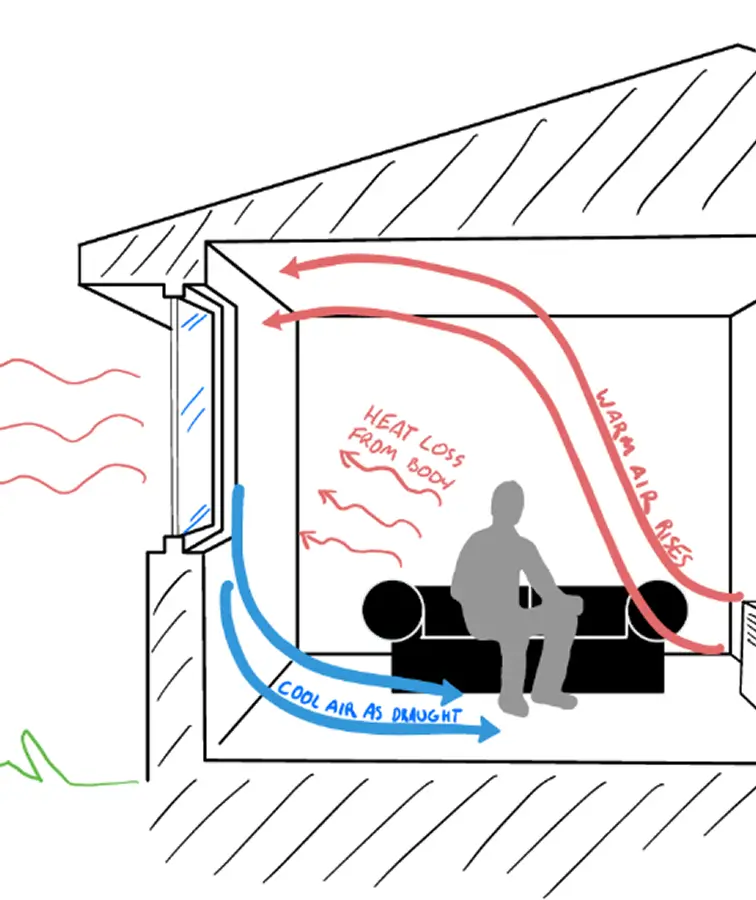
Cold weather makes heat loss easier to detect.

  • Cold Zones: Drafty windows, poorly sealed doors, and under-insulated areas become more noticeable.
  • Heating Distribution: Inspectors verify that heat sources are present in each room and that spaces are adequately heated at the time of inspection.

Note: Inspectors do not evaluate furnace efficiency or performance.

3. Humidity and Ventilation Conditions

Winter is one of the best seasons to observe moisture-related issues.

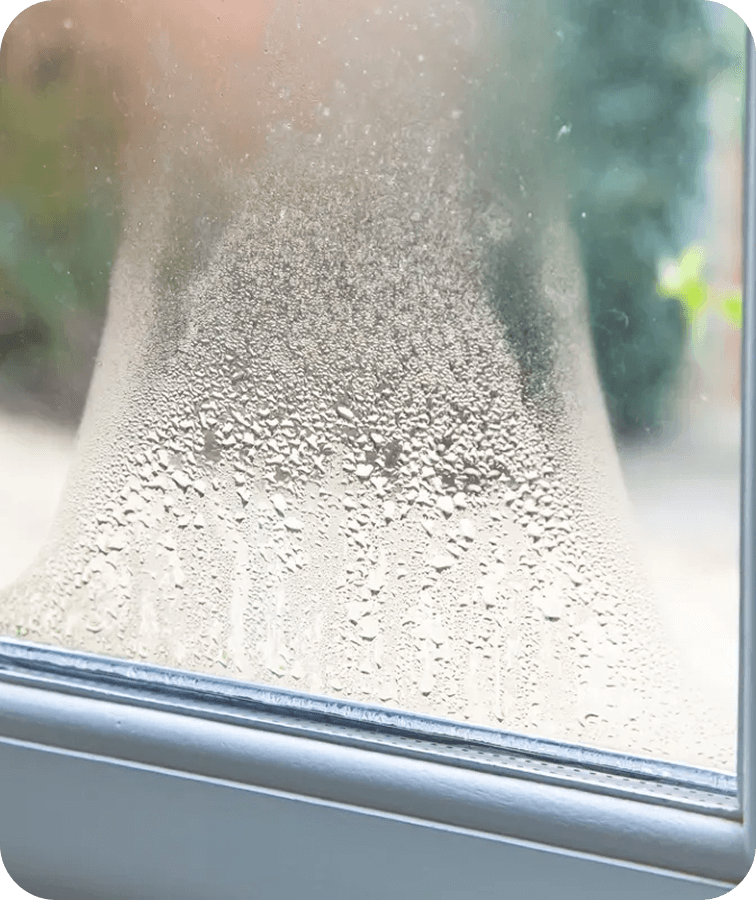
  • Window Condensation: May indicate elevated indoor humidity.
  • Attic Frost: Frost buildup under roof decking can point to ventilation or insulation concerns.

These conditions can contribute to mold and material deterioration if left unaddressed.

4. Basement and Foundation Moisture

Freeze-thaw cycles place stress on foundations.
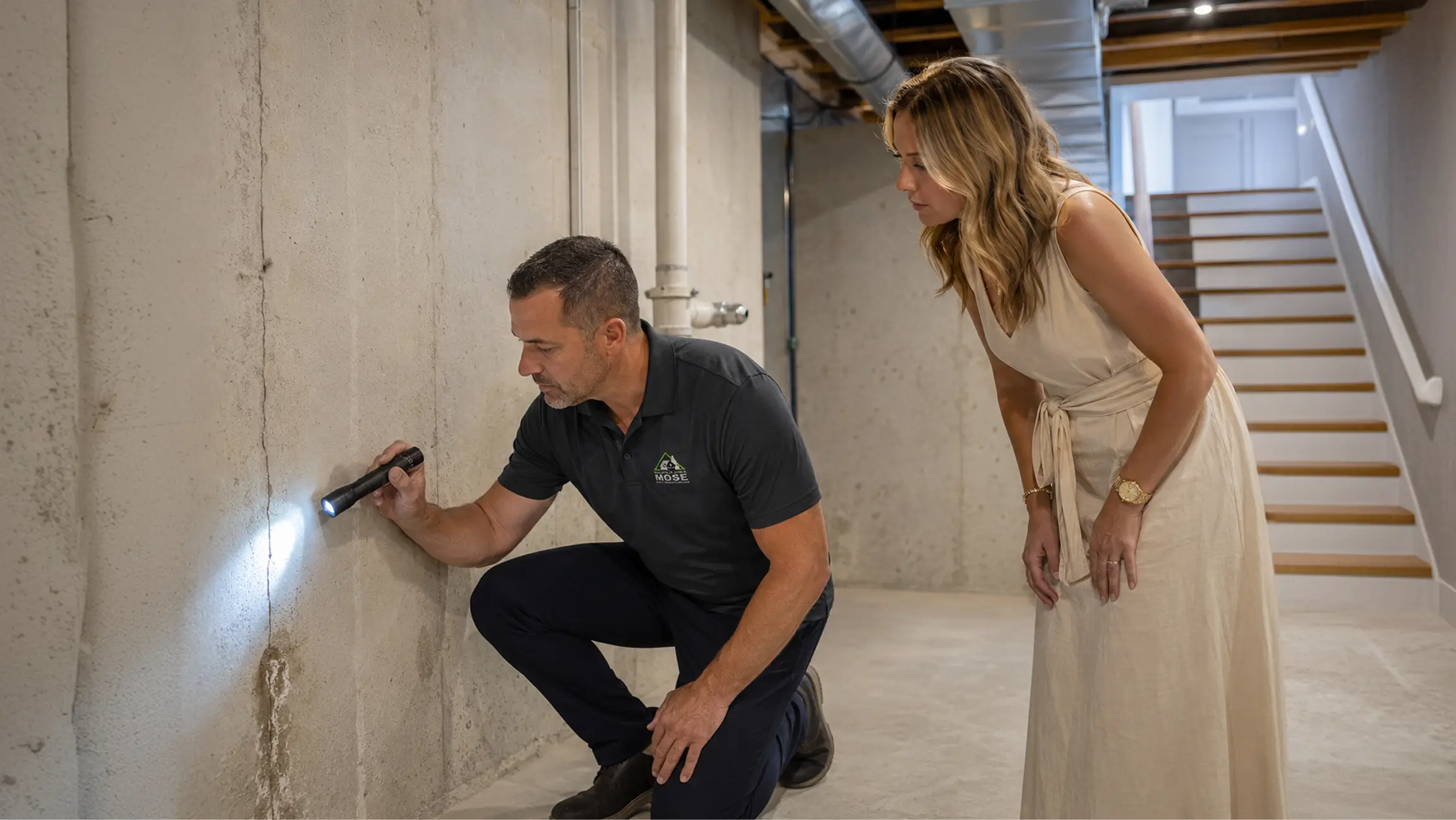
Inspectors look for:

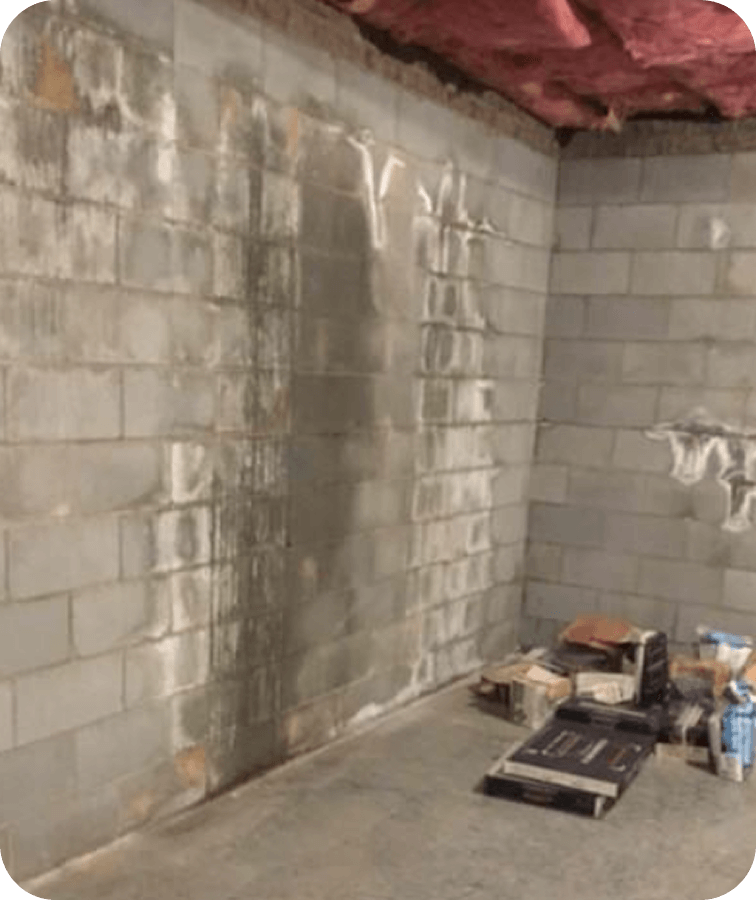
  • Signs of water infiltration
  • Foundation cracking
  • Efflorescence and staining

Winter inspections help identify conditions that may worsen during spring melt.

How to Prepare for a Winter Inspection

To ensure a smooth inspection:

  • Clear Walkways: Remove snow and ice from access paths.
  • Ensure Attic Access: Keep attic hatches accessible.

Uncover Exterior Equipment: Make sure outdoor HVAC units are visible for visual assessment.

Frequently Asked Questions (FAQ)

No. Operating AC systems below 15°C (60°F) may cause damage. Inspectors perform a visual assessment only.

Inspectors use ground-level observation, binoculars, and attic inspections to assess for leaks, stains, and structural indicators.

No. Pricing remains consistent year-round. Winter often offers greater scheduling availability.

Insights & Tips for
Smart Homeowners

  • 5 Reasons Why a Pre-Listing Inspection Is a Game-Changer for Sellers

    January 27, 2026

  • Do You Know What Type of Insulation Is in Your Attic?

    January 15, 2026

  • Sewer Smell in Your House? The Mystery of the Dry P-Trap

    January 8, 2026