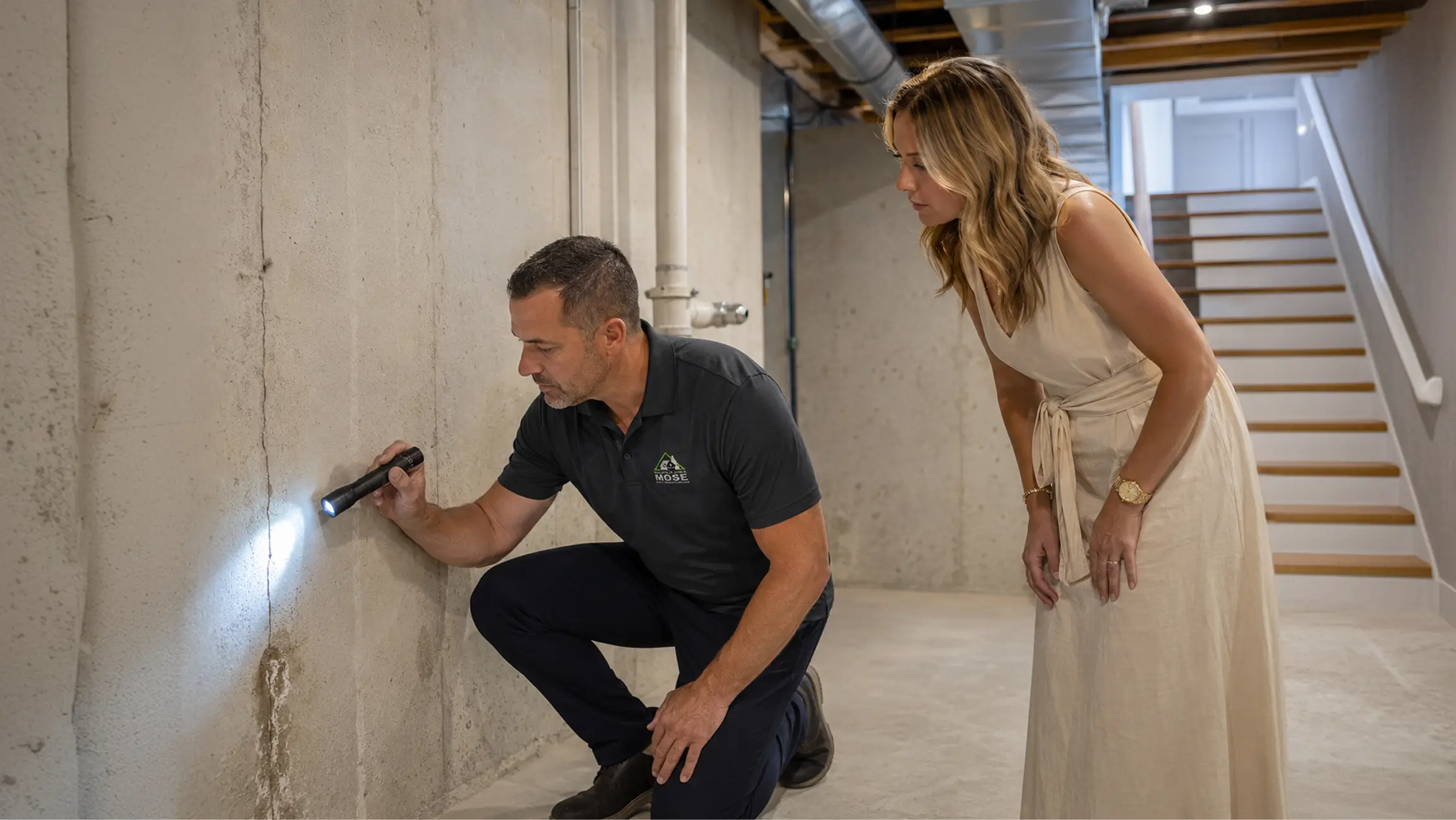
Understanding Your Home’s 8 Key Components

Ivan Mose
Founder and CEO, Certified
Master Inspector
A Guide to Protecting Your Investment
Older homes have a lot going for them: timeless character, quality craftsmanship, and unique details you just don’t find in new construction. But as any homeowner or buyer knows, charm comes with quirks — and sometimes serious challenges.
At Mose Home Inspection, we specialize in uncovering the stories Montreal’s older homes have to tell. Whether you’re considering a century home in Westmount, a Plateau-Mont-Royal duplex, or you already live in a beloved family property, knowing what to look for is the key to preserving its beauty while avoiding costly surprises.
Here are the seven most common problems in older homes — and how to fix them.

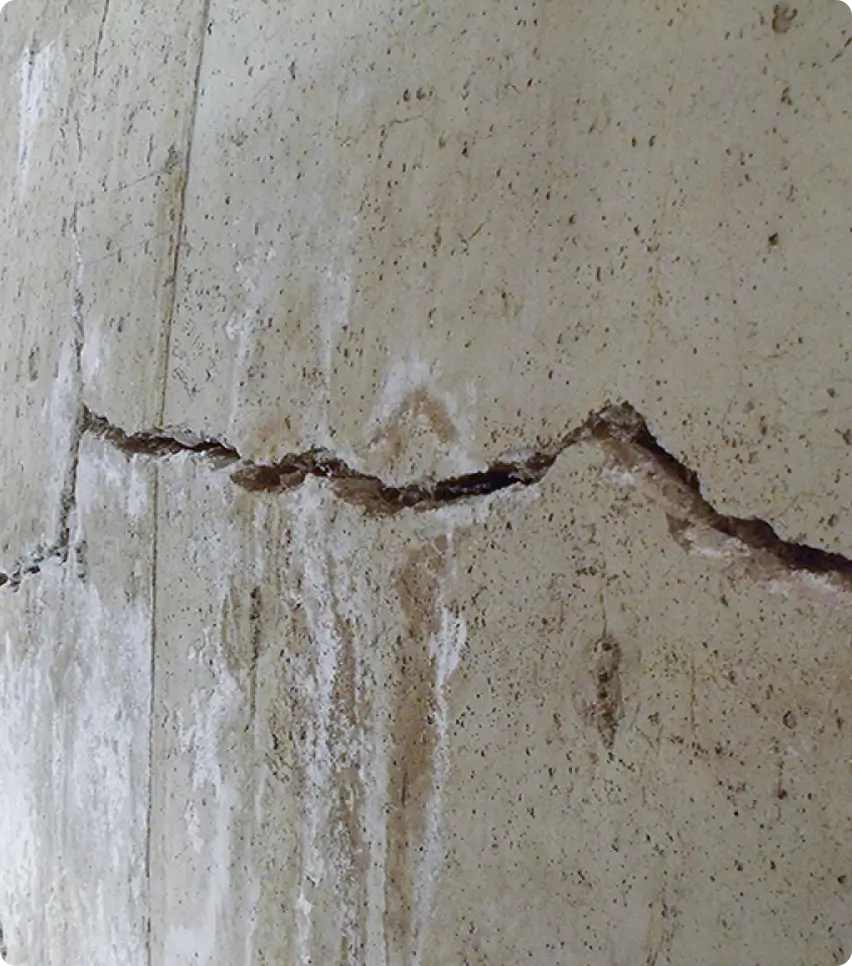
1. Foundation—The Structural Backbone
Your foundation supports everything above it. It distributes your home’s weight evenly into the ground and maintains stability.
Watch For: Cracks in walls or floors, sticky doors, or water pooling near the base. These may signal settlement or drainage issues that can lead to movement if ignored.
Mose Tip: Extend downspouts at least 6 feet away from your foundation, and make sure the soil slopes gently away from your home to keep water from accumulating.
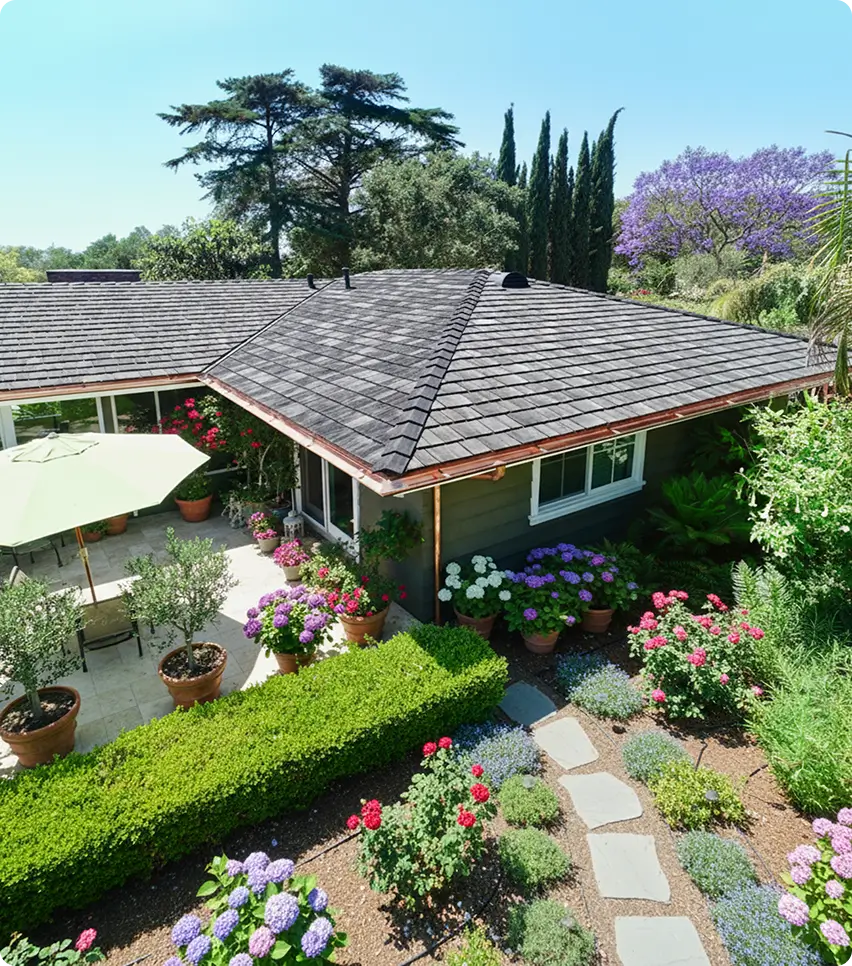
2. Roof — Your First Line of Defense
Your roof protects your home from rain, snow, UV rays, and heat loss.
Watch For: Missing, curling, or cracked shingles and shingle granules in gutters — all signs your roof may be near the end of its service life.
Mose Tip: Clean your gutters twice a year (late fall and late spring) and schedule a professional inspection every 3–5 years, especially if your roof is over 15 years old.
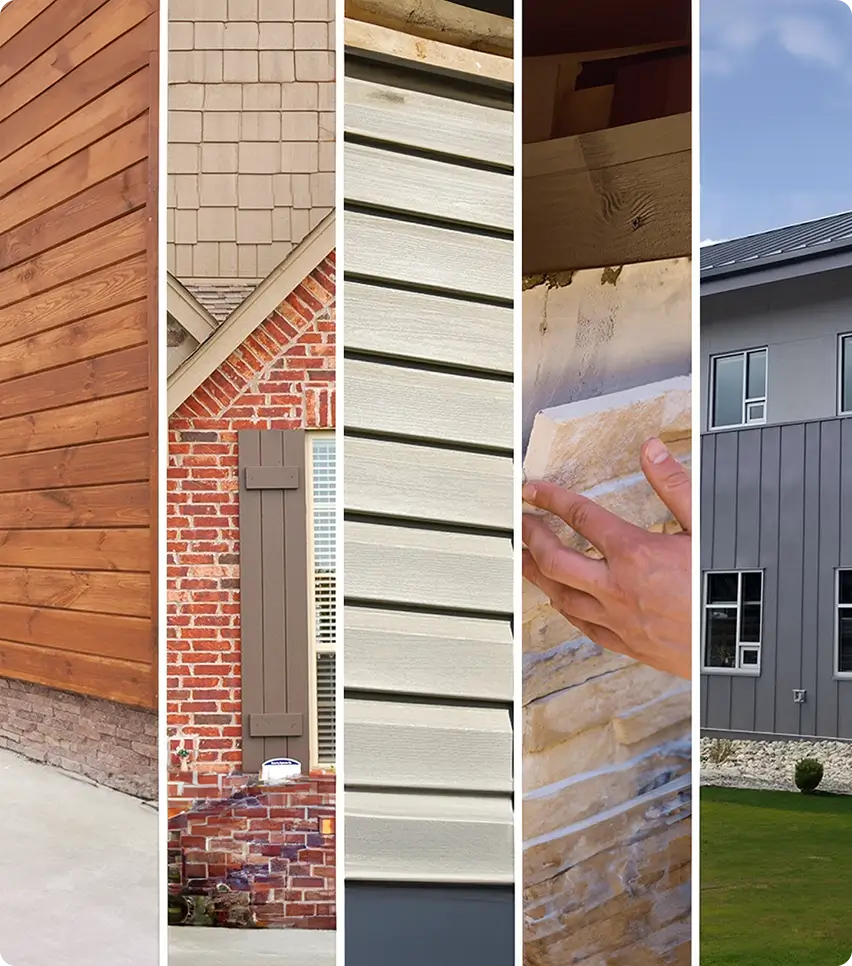
3️. Exterior Walls — Shield and Style
Exterior walls provide insulation, structure, and curb appeal. Look for cracks, peeling paint, or failing caulking. These gaps allow water and insects inside.
Watch For: Cracks in brick or siding, peeling paint, or damaged caulking around windows and doors.
Mose Tip: Power-wash siding or brick annually, and re-seal or repaint every 5–10 years to maintain weather protection.
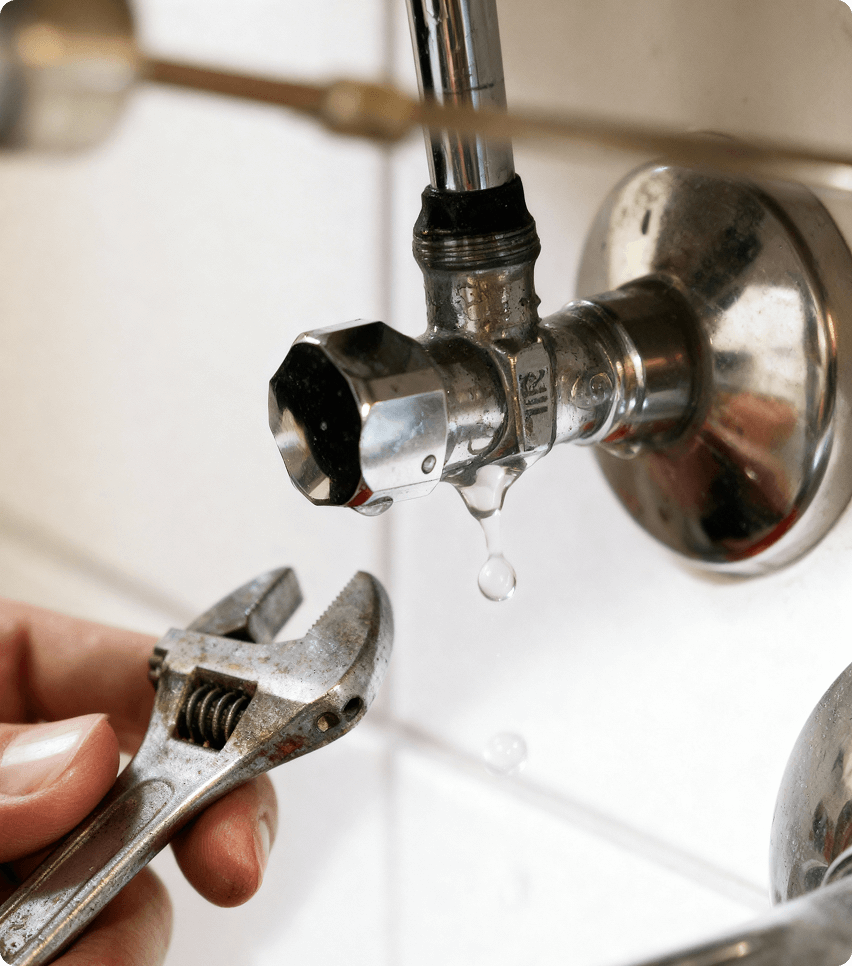
4. Plumbing System — The Circulatory System
Plumbing brings clean water in and moves wastewater out — quietly working between walls.
Watch For: Moisture under sinks, corroded pipes, or stains on ceilings — small leaks that can quickly become large problems.
Mose Tip: Check under sinks monthly and around toilets for signs of moisture. Flush your water heater once a year to remove sediment buildup and extend its lifespan.
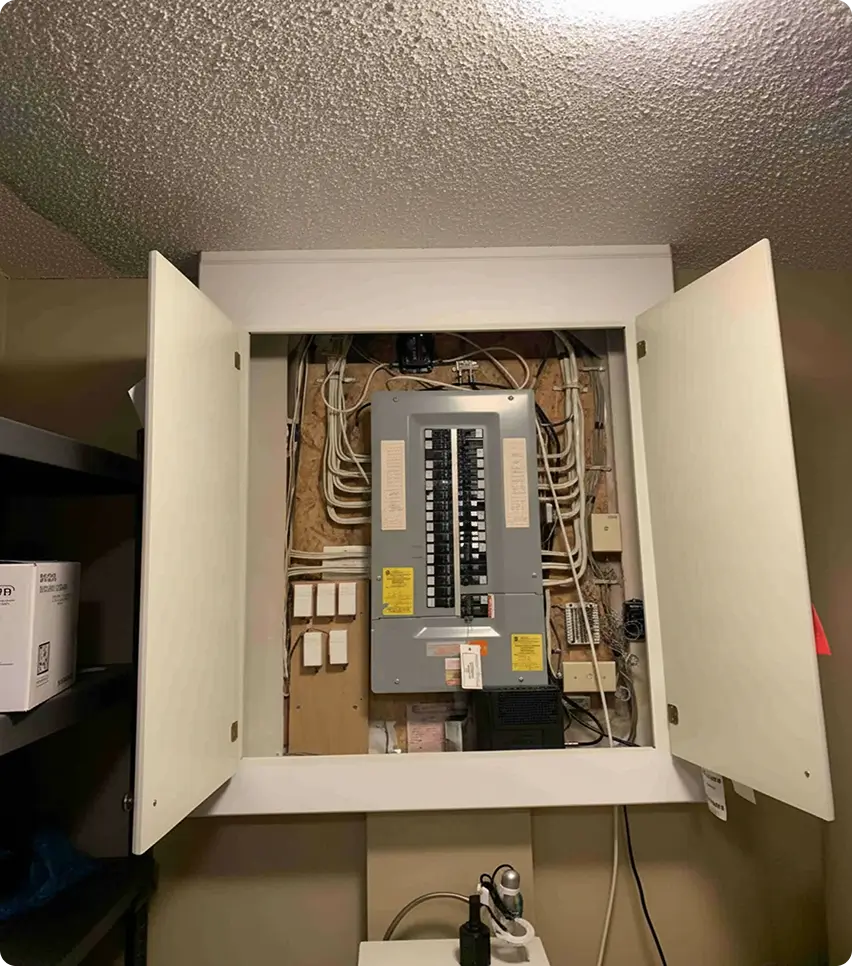
5️. Electrical System — Powering Modern Living
Your electrical system powers your home’s comfort and safety. Older homes may have outdated or undersized wiring.
Watch For: Flickering lights, tripped breakers, or signs of outdated systems such as knob-and-tube or aluminum wiring.
Mose Tip: Have your electrical panel professionally inspected every 5–10 years, especially in homes over 40 years old. Never ignore tripping breakers — they can signal an overload or fault.
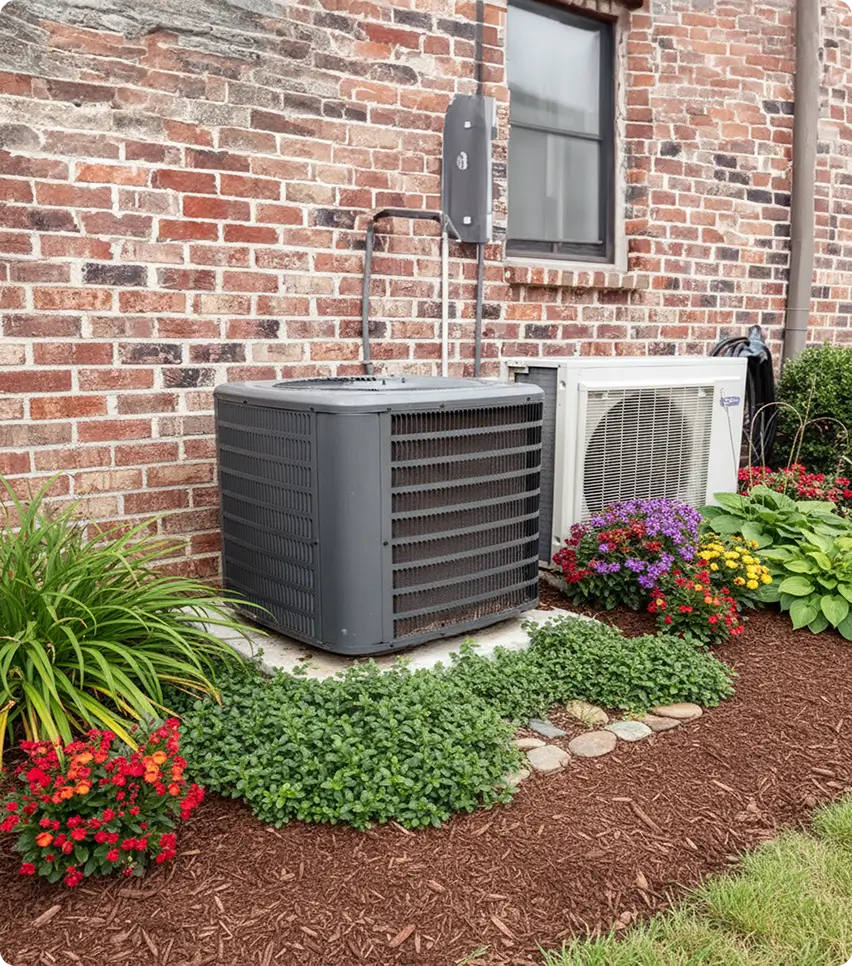
6. HVAC System — Comfort and Air Quality
Your Heating, Ventilation, and Air Conditioning systems regulate comfort and air health.
Watch For: Dirty filters, uneven heating or cooling, or unusual noises from ducts.
Mose Tip: Replace furnace filters every 1–3 months and schedule annual maintenance with an HVAC professional to maintain efficiency and indoor air quality.
7. Windows & Doors — Light, Security, and Efficiency
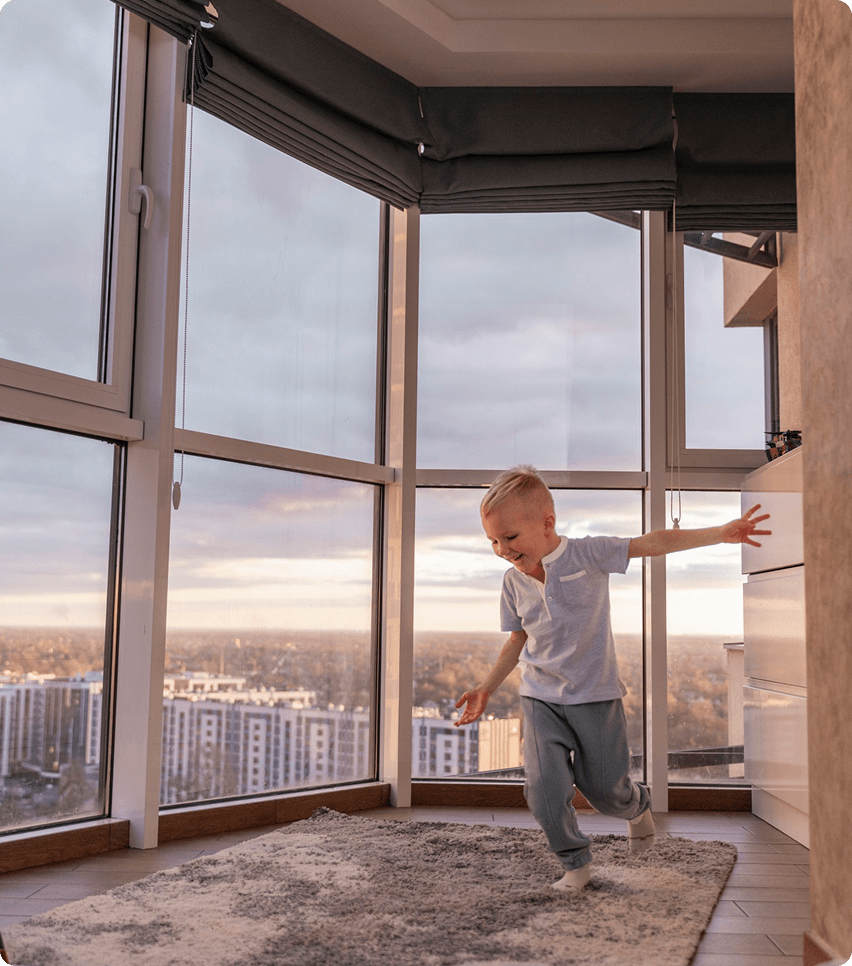
Windows and doors affect both comfort and energy costs.
Watch For: Condensation between panes (indicating a broken seal), sticking frames, or visible gaps.
Mose Tip: Re-caulk every 2–3 years and lubricate hinges yearly. Upgrading to ENERGY STAR®-rated models can lower your energy bills.
8. Insulation & Ventilation — The Hidden Energy Savers
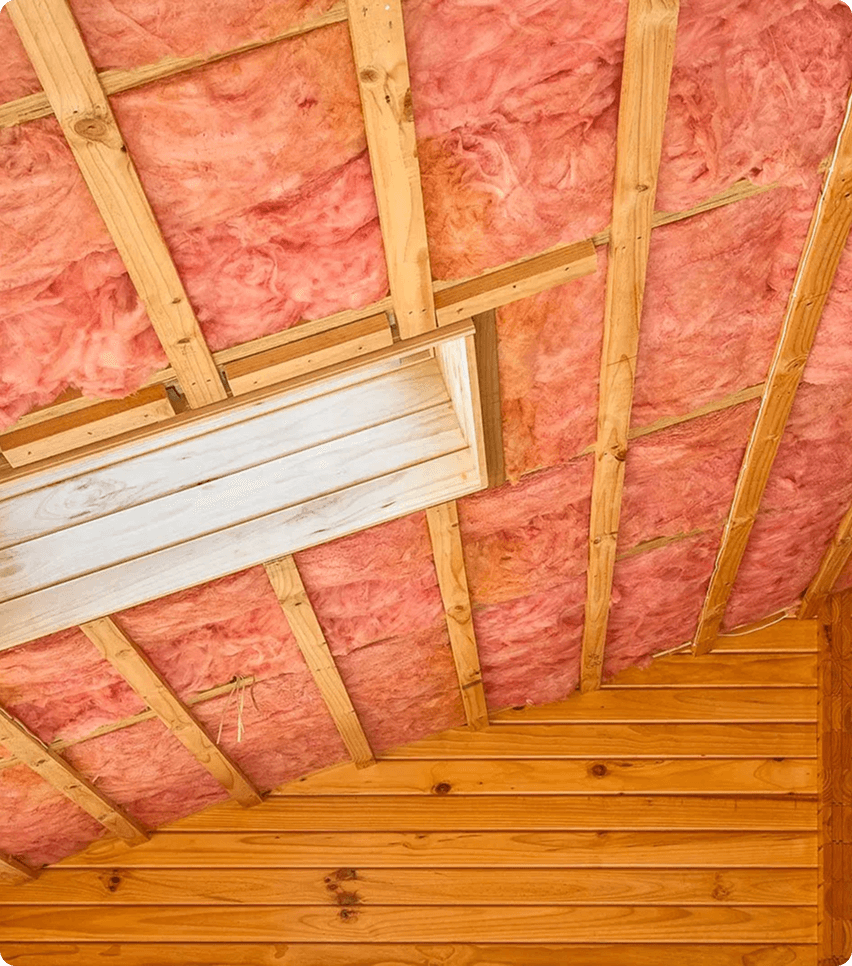
Good insulation keeps heat in during winter and out during summer, while ventilation prevents moisture buildup and mold.
Watch For: Uneven temperatures, high energy bills, or attic mold.
Mose Tip: in Quebec’s climate, attic insulation should reach R-40 to R-60. Always ensure bathroom and kitchen fans vent directly outdoors, not into the attic.