The “Deal Killer” Myth: How Brokers and Inspectors Can Actually Work Together
Few phrases create more tension between real estate brokers and home inspectors than this one:

Ivan Mose
Founder and CEO, Certified
Master Inspector

“The inspector killed the deal.”
It is easy to understand why a broker may feel frustrated.
A broker may spend weeks helping a client find the right property. They may prepare an offer, manage deadlines, coordinate documents, and guide the buyer through a stressful process. Then the inspection identifies several concerns. The buyer becomes worried and starts to question the purchase.
From the outside, it may seem that the inspector caused the problem.
But inspectors do not create defects. They identify and explain visible conditions that already exist in the property.
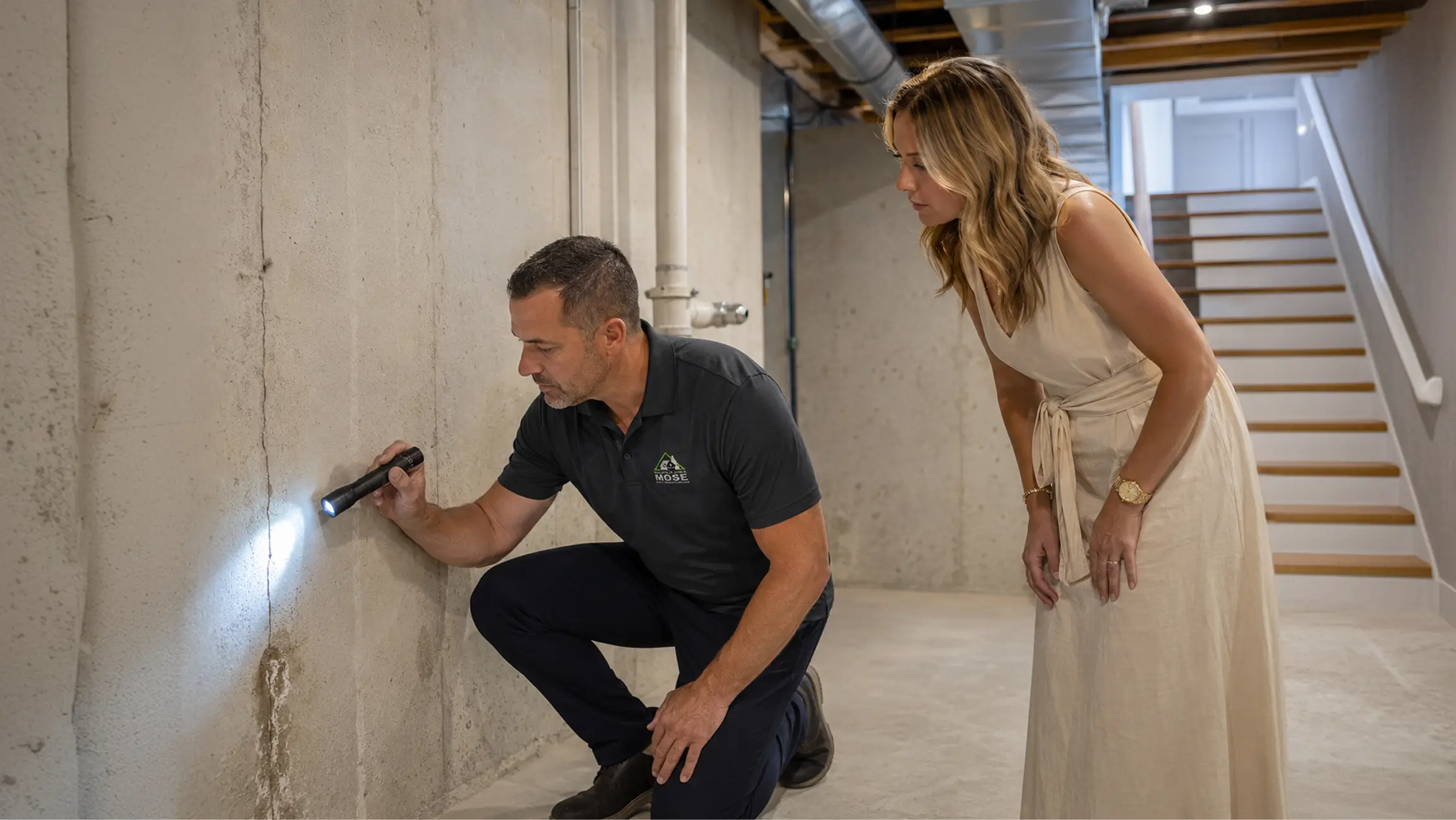
A professional inspection should not be viewed as a threat to the transaction. When brokers and inspectors understand each other’s roles, the inspection can help buyers make better decisions and may even help keep a transaction moving forward.
Why the “Deal Killer” Label Is Misleading
A home inspection is not a pass-or-fail test.
An inspector does not decide whether a home is good or bad. The inspector explains the visible condition of the building and its major systems.
One buyer may be comfortable replacing an older roof in a few years. Another buyer may not have the funds for that work. An investor may see a repair as part of a long-term plan. A first-time buyer may find the same repair difficult to manage.
The inspector’s job is to explain:
- What was observed
- Why it may matter
- Whether the condition needs maintenance, repair, or further review
- What limits affected the inspection
- When another qualified professional should be consulted
The buyer must then decide whether the property fits their plans, budget, and level of comfort.
MHIS training makes this point clearly. The inspector evaluates the condition of the property but does not tell the client whether to buy it or whether it is a good investment.
The final decision belongs to the buyer.
The Risk of Looking for a “Soft” Inspector
The fear of losing a deal can create pressure to choose an inspector who is fast, quiet, or unlikely to raise difficult concerns.
This may seem helpful in the moment, but it can create much greater problems later.
A rushed or incomplete inspection may leave the buyer unaware of important conditions. After taking possession, the buyer may discover water damage, drainage problems, unsafe electrical work, structural movement, or other costly issues.
When that happens, the buyer may feel that the inspector failed to protect them. They may also question why the broker recommended that inspector.
A broker’s reputation is built on trust. Recommending an inspector because that person is expected to make the transaction easier can damage that trust.
The OACIQ has warned brokers to avoid even the appearance of a conflict of interest when recommending or refusing building inspectors. It also advises brokers to document the advice they give their clients about inspections.
The best inspector is not the one who finds the fewest problems.
The best inspector is thorough, fair, independent, and able to explain findings without causing needless fear.
A Changing Montreal Market Makes Good Information More Important
The Greater Montreal real estate market is changing.
In June 2026, residential sales in the Montreal Census Metropolitan Area were 8% lower than in June 2025. At the same time, the number of properties for sale increased by 17%, reaching 20,894 active listings.
This does not mean that Montreal has suddenly become a buyer’s market. Conditions vary by area and property type. However, buyers may have more options and more time to compare properties than they did during the strongest periods of bidding pressure.
The condominium market has shown the clearest signs of change. In February 2026, the number of condominiums for sale in the Montreal area was 20% higher than one year earlier. QPAREB reported that condo supply had moved slightly above its 10-year average.
At the same time, buying a home remains a major financial decision. During the first quarter of 2026, the median price of a single-family home in the Montreal area reached $640,000. The median condominium price was $425,000, while the median price of a plex reached $865,000.
At these price levels, buyers need reliable information. Even when the market is active, buyers should understand the condition of the property they are purchasing.
A thorough inspection helps them do that.
Sales Without Legal Warranty Require Extra Care
Some Quebec properties are offered for sale without legal warranty of quality.
This does not mean that the buyer should panic or automatically reject the property. It does mean that the buyer should clearly understand the terms of the sale and complete careful due diligence.
The OACIQ states that an inspection is even more important when a property is sold without legal warranty. The inspection adds to the information in the seller’s declaration and helps show that the buyer acted carefully.
The building inspector should also be told when the property is being sold without legal warranty. This allows the inspector to take that fact into account while completing the inspection.
An inspection cannot remove every risk. It is visual and limited to the conditions that can be seen and accessed on the day of the inspection.
However, it gives the buyer more information before making a major commitment.
Why Some Inspections Create More Fear Than Others
The number of defects found does not always determine how the buyer reacts.
Communication matters.
A professional inspector should not:
- Describe every defect as an emergency
- Predict results that cannot be known
- Use dramatic language to impress the buyer
- Tell the buyer to cancel the purchase
- Give opinions about the property’s market value
- Offer advice outside the inspector’s field
The inspector should explain the difference between the following:
- Routine maintenance
- Minor repairs
- Aging components
- Safety concerns
- Conditions requiring further review
- Larger issues that may affect the buyer’s plans
A cracked section of mortar is not the same as major foundation movement. An older water heater is not the same as an active plumbing leak. A maintenance item should not be presented with the same level of concern as a serious safety issue.
Clear language helps buyers understand the difference.
Good communication does not hide or soften a real problem. It places the problem in context.
Brokers and Inspectors Have Different Roles
Brokers and inspectors serve the same client, but they have different duties.
The broker guides the real estate transaction. The broker helps the client understand market conditions, prepare an offer, manage deadlines, communicate with the other parties, and consider their options after the inspection.
The inspector evaluates the visible condition of the property and reports the findings.
The inspector should not tell the buyer:
- What price to offer
- How much money to request from the seller
- Whether the property is a good investment
- Whether to cancel the transaction
The broker should not pressure the inspector to remove, soften, or ignore a legitimate observation.
Both professionals provide greater value when they respect these boundaries.
MHIS inspector training also warns inspectors not to appear overly familiar with brokers during an inspection. Even when the professionals know each other well, the buyer must remain confident that the inspector is independent and working in the buyer’s interest.
Working together does not mean influencing each other’s professional judgment.
It means sharing information, respecting each other’s role, and helping the client understand the process.
How Brokers and Inspectors Can Work Together

1. Prepare the Buyer Before the Inspection
Brokers can help buyers understand that no home is perfect.
Older properties often have aging systems, past repairs, and maintenance needs.
Newer properties may also have defects or unfinished work.
The buyer should not expect a report with no findings.
A broker might explain:
“The inspector will likely identify several items. The goal is to understand which ones are normal maintenance, which ones need attention, and which ones may require further review.”
This simple conversation can reduce anxiety before the inspection begins.
2. Explain the Scope of the Inspection
A home inspection is mainly visual.
Inspectors do not normally open walls, remove flooring, dismantle equipment, or damage finishes. Some areas may also be blocked, unsafe, snow-covered, or otherwise inaccessible.
The inspection provides valuable information, but it cannot guarantee that every concealed problem will be found.
When buyers understand these limits, they are less likely to expect the inspector to have “X-ray vision.”
3. Give the Inspector Space to Follow a Routine
A good inspector follows a clear and repeatable process.
Interruptions, side conversations, and pressure to move faster can affect concentration. Brokers can support the inspection by helping manage access, keeping the process organized, and allowing the inspector to complete each part of the property.
MHIS training stresses the importance of preparation, a consistent inspection routine, clear client communication, and a proper closing discussion.
Consistency supports both quality and accuracy.
4. Wait for the Full Summary
A single observation may not tell the full story.
A stain may come from an old leak that has already been repaired. A crack may be minor or may need further review. An older system may still be working but should be included in future budgeting.
It is often better to let the inspector complete the inspection before reaching conclusions.
At the end, the inspector can explain the main findings and separate larger concerns from normal maintenance.
5. Keep Inspection and Negotiation Separate
The inspection identifies and documents conditions.
Negotiation happens afterward.
The inspector should not suggest a price reduction or tell the buyer what repairs to demand. The broker can help the buyer review the findings and decide how to respond within the terms of the promise to purchase.
This separation protects both professions.
It also helps keep the inspection report focused on the property rather than on the outcome of the transaction.
Brokers and Inspectors Have Different Roles
Brokers and inspectors serve the same client, but they have different duties.
The broker guides the real estate transaction. The broker helps the client understand market conditions, prepare an offer, manage deadlines, communicate with the other parties, and consider their options after the inspection.
The inspector evaluates the visible condition of the property and reports the findings.
The inspector should not tell the buyer:
- What price to offer
- How much money to request from the seller
- Whether the property is a good investment
- Whether to cancel the transaction
The broker should not pressure the inspector to remove, soften, or ignore a legitimate observation.
Both professionals provide greater value when they respect these boundaries.
MHIS inspector training also warns inspectors not to appear overly familiar with brokers during an inspection. Even when the professionals know each other well, the buyer must remain confident that the inspector is independent and working in the buyer’s interest.
Working together does not mean influencing each other’s professional judgment.
It means sharing information, respecting each other’s role, and helping the client understand the process.
The Inspection Can Help Preserve a Transaction
Brokers and inspectors serve the same client, but they have different duties.
The broker guides the real estate transaction. The broker helps the client understand market conditions, prepare an offer, manage deadlines, communicate with the other parties, and consider their options after the inspection.
The inspector evaluates the visible condition of the property and reports the findings.
The inspector should not tell the buyer:
- Reduce uncertainty
- Correct exaggerated fears
- Confirm that a concern is limited in scope
- Separate urgent items from future maintenance
- Help the buyer prepare a realistic budget
- Identify when a specialist’s opinion is needed
- Give the buyer greater confidence in the property
- Reduce the chance of anger or surprise after closing
Sometimes a buyer becomes frightened by an individual defect. A calm and clear inspector may explain that the condition is common, repairable, or not as serious as it first appeared.
In those situations, the inspector may help keep the transaction together.
The inspection may also help the broker develop a reasonable response. Depending on the findings and the terms of the agreement, the buyer may decide to proceed, seek more information, request a repair, or reopen part of the negotiation.
The inspection provides facts. It should not create drama.
Pre-Listing Inspections Can Reduce Surprises
Brokers and inspectors can also work together before a property is listed.
A pre-listing inspection allows the seller to learn more about the property before buyers begin making offers.
The seller can then:
- Address selected repairs
- Obtain estimates
- Gather documents
- Explain known conditions
- Adjust the asking price
- Prepare for questions from buyers
The OACIQ describes a pre-listing inspection as a good practice. It can help the seller understand the condition of the property and identify needed repairs before going to market. The OACIQ also notes that issues left uncorrected will likely be raised again during a buyer’s inspection.
A pre-listing inspection does not replace the buyer’s own inspection.
It gives the seller and broker more time to deal with concerns before they become last-minute surprises.
MHIS materials also identify potential benefits such as fewer late negotiations, clearer expectations, and a smoother selling process.
What Brokers Should Look for in an Inspector
The OACIQ requires brokers to recommend a complete inspection by a professional or building inspector who
- Has professional liability insurance
- Uses a recognized inspection service agreement
- Follows recognized inspection standards
- Provides a written report
When a broker gives the client a list of inspectors, the list must contain more than one name.
Beyond these basic requirements, brokers should look for inspectors who:
- Communicate clearly
- Remain calm and professional
- Explain the limits of the inspection
- Separate major concerns from routine maintenance
- Stay within their area of expertise
- Avoid giving real estate or legal advice
- Deliver organized and understandable reports
- Remain available to answer reasonable questions
These qualities support the buyer without placing unnecessary pressure on the transaction.
A Shared Goal: A Well-Informed Client
Brokers and inspectors are not opponents.
A good broker wants the client to make a sound real estate decision.
A good inspector wants the client to understand the property.
Those goals support each other.
Sometimes a buyer will decide not to proceed after an inspection. That does not always mean the inspector killed the deal. It may mean that the findings changed the buyer’s understanding of the property or showed that the purchase did not fit their needs.
In many other cases, the inspection gives the buyer enough information to move forward with greater confidence.
That is the real value of the inspection.
At Mose Home Inspection Services, our role is not to sell the property or discourage the purchase. Our role is to provide a thorough and impartial visual assessment and explain our findings in clear, practical language.
Our mission is to equip homebuyers with the knowledge they need to buy confidently.
When brokers and inspectors respect their roles, communicate clearly, and keep the client’s interests at the center of the process, the inspection does not have to become a source of conflict.
It can become one of the most useful parts of the transaction.
Are you a real estate broker looking for a reliable inspection partner or an educational presentation for your team? Contact Mose Home Inspection Services to learn more about our buyer inspections, pre-listing inspections, and broker education sessions.