Carbon Monoxide Detection 101: What You Need to Know

Ivan Mose
Founder and CEO, Certified
Master Inspector
A Real Wake-Up Call in LaSalle
In January 2019, École des Découvreurs in LaSalle, Quebec, was suddenly evacuated after a carbon monoxide leak caused by a faulty heating system.

Between 50 and 124 students and staff became ill — some lost consciousness and were hospitalized, with several receiving hyperbaric oxygen therapy. The tragedy revealed a critical truth: many buildings and homes in Quebec still lacked functioning carbon monoxide detectors.
It was a chilling reminder that carbon monoxide (CO)—often called the silent killer—can strike anywhere, at any time.
The good news? Protecting your home is simple and inexpensive: a certified carbon monoxide alarm can save lives.
What Is Carbon Monoxide?
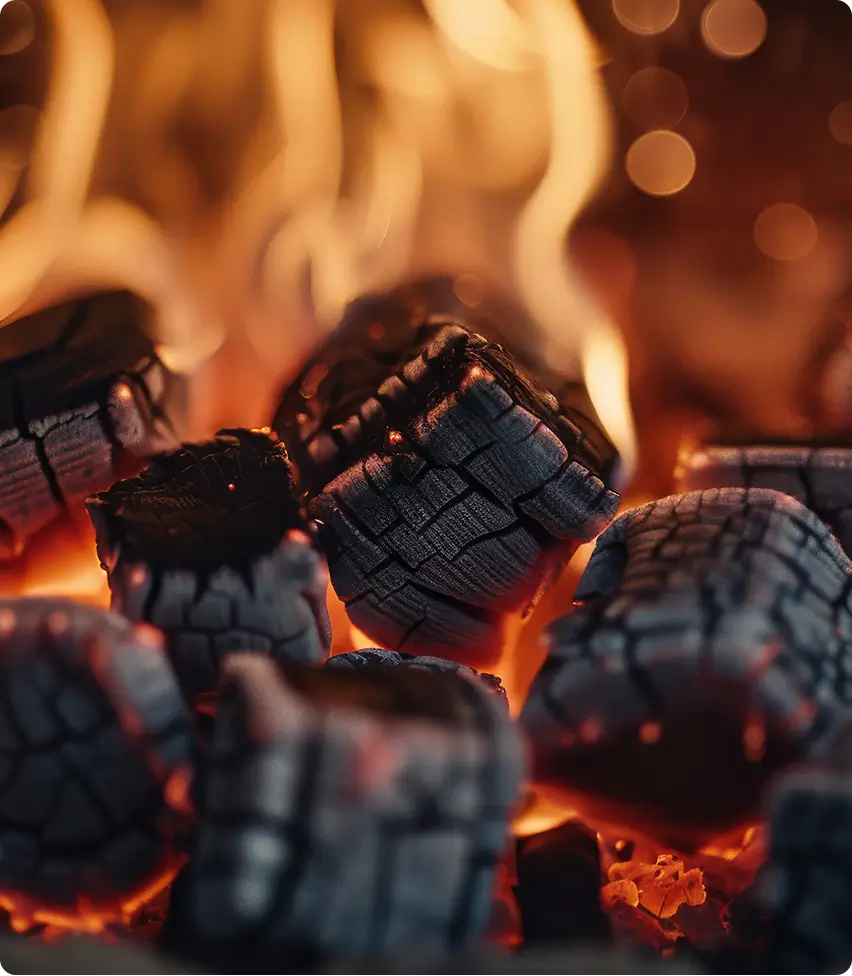
Carbon monoxide is an odourless, colourless, and deadly gas produced when fossil fuels burn incompletely.
It can come from:
- Gas or oil furnaces
- Fireplaces or wood stoves
- Gas ranges, dryers, or water heaters
- Cars or generators running in attached garages
Even properly installed appliances can leak CO if they are poorly maintained or vented.
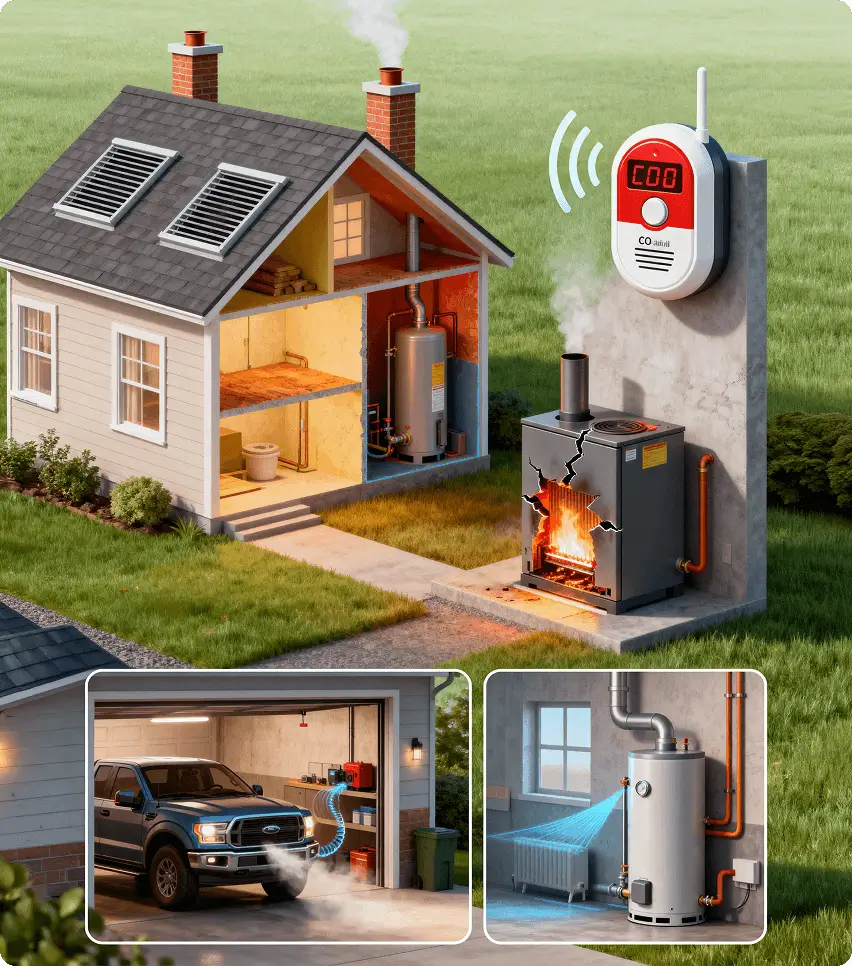
How Carbon Monoxide Leaks Happen
Common causes include:
- Blocked vents or chimneys
- Cracked heat exchangers
- Vehicles left running in garages
- Improperly installed heating appliances
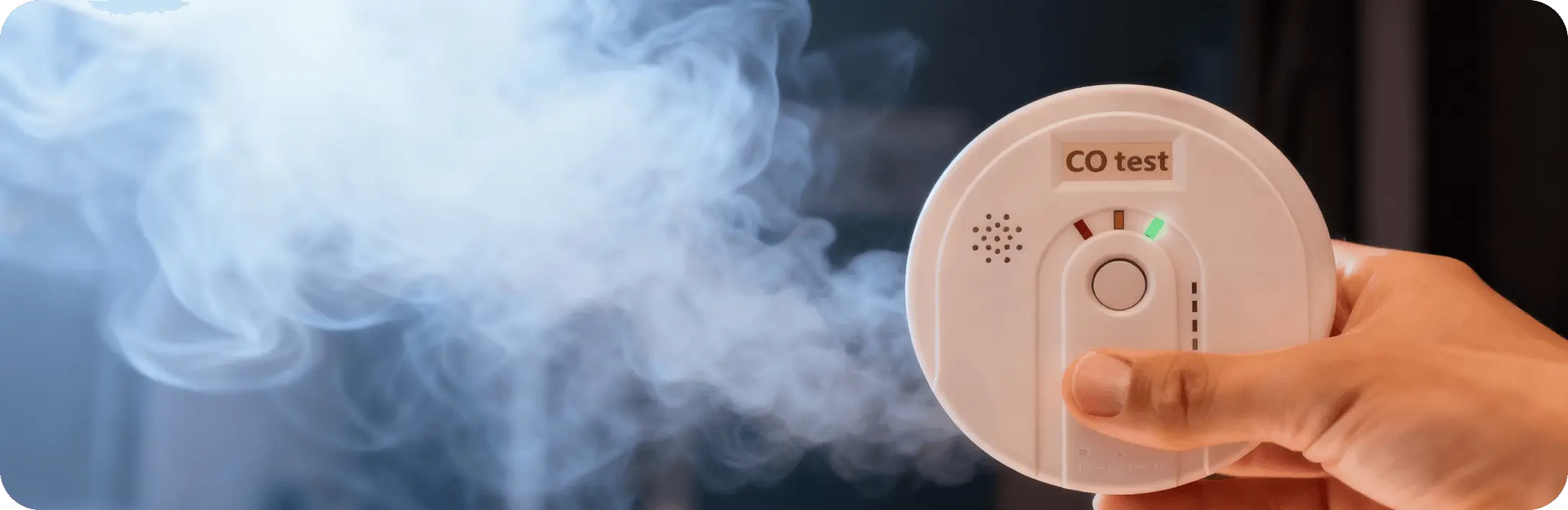
Because CO is invisible and odourless, only an alarm can warn you in time.
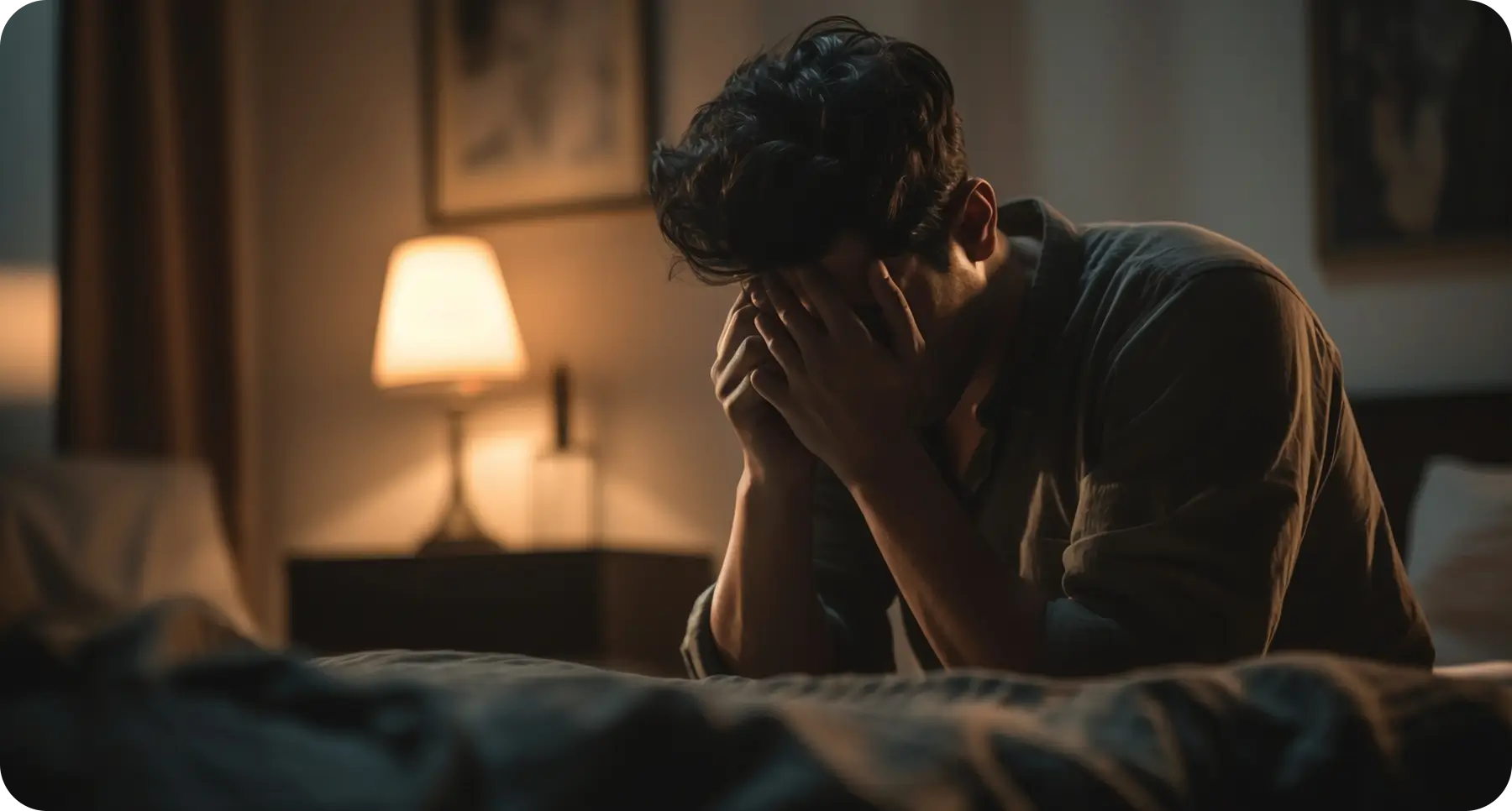
Symptoms of Carbon Monoxide Poisoning
Carbon monoxide symptoms mimic the flu — but can become fatal quickly.
Early signs: Headache – Nausea – Dizziness – Fatigue – Confusion
Severe exposure: Loss of consciousness – Death
If your alarm sounds or you feel unwell, leave immediately and call 911.
Certified Fireplaces and Heating Systems
In Montreal, only certified fireplaces and stoves that meet emission standards are allowed.
If you own one:
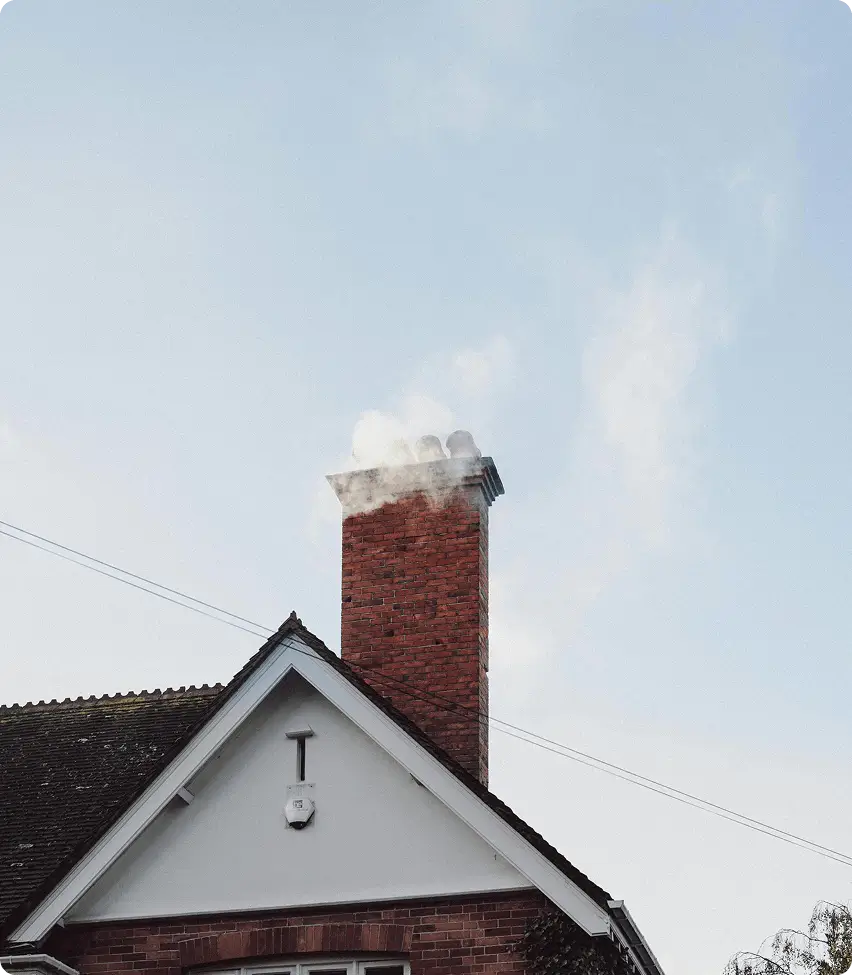
- Have your chimney inspected and cleaned annually by a certified professional (e.g. WETT-certified or APC member).
- Remove obstructions or bird nests.
- Keep vents and flues clear of debris.
Regular maintenance is the best defense against CO buildup.
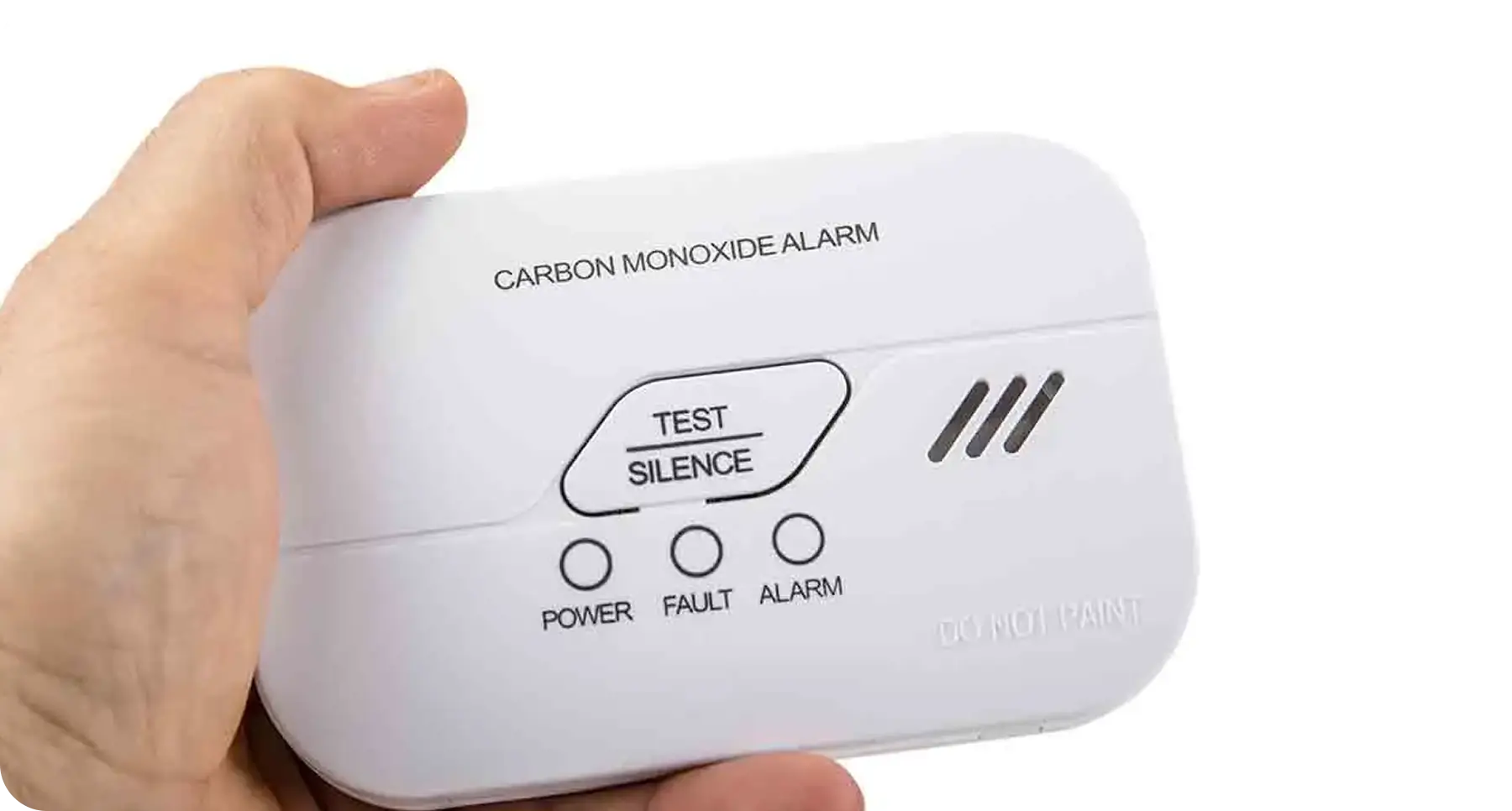
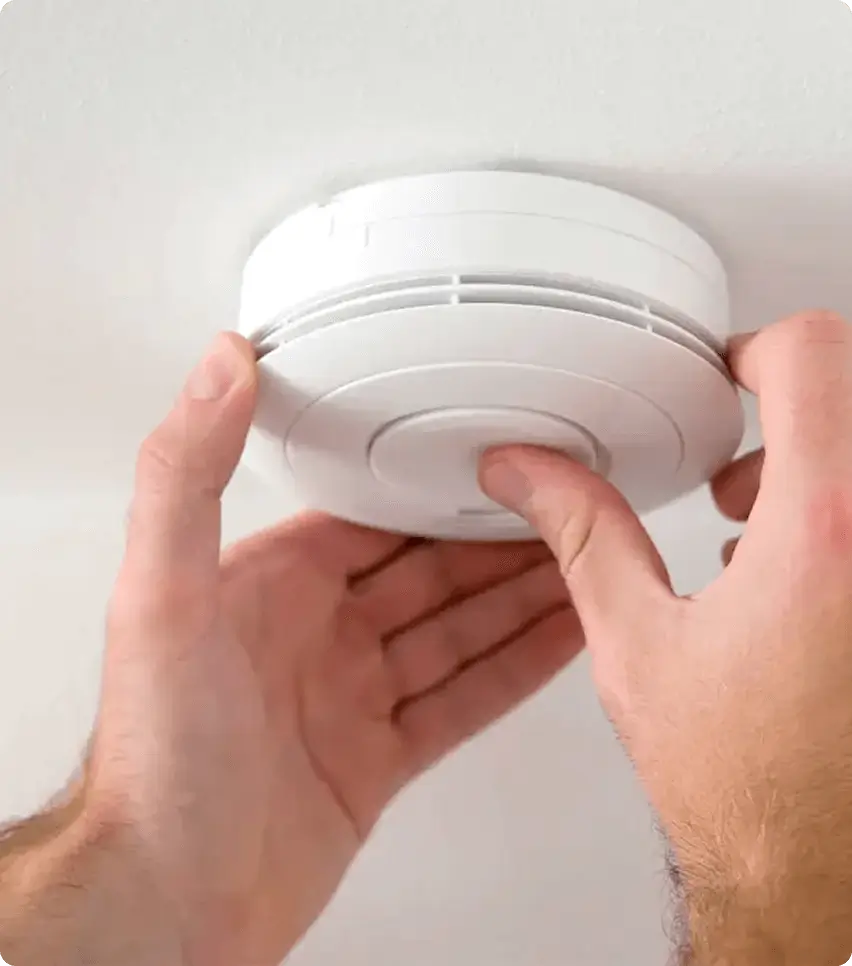
Where to Install Carbon Monoxide Alarms
- Near Bedrooms: If you only have one unit, place it in or near the main bedroom hallway.
- At Least 5 Feet Above the Floor: CO rises with warm air — install alarms around 1.5 m (5 ft) from the floor.
- Near the Garage: Install one close to the door connecting the garage to your home.
- On Every Floor: Even in the basement where heating systems are often located.
- Away from Moisture: Avoid kitchens, bathrooms, and laundry rooms.
- Replace Aging Detectors: CO alarms typically last 5–7 years (some up to 10). Replace when the end-of-life signal sounds.
What To Do If Your Alarm Sounds
- Leave your home immediately.
- Open doors and windows to ventilate.
- Turn off all fuel-burning appliances.
- Call 911 and a certified technician to find the source.
Prevention Tips from Mose Home Inspection
- Annual inspections of heating systems, fireplaces, and water heaters.
- Install combination smoke + CO detectors.
- Test alarms monthly and replace batteries yearly.
- Never run cars or generators in garages, even with doors open.
Mose Home Inspection is committed to keeping Montreal homes safe through education, awareness, and professional inspection.